 John Myers
Introduction: South African Food
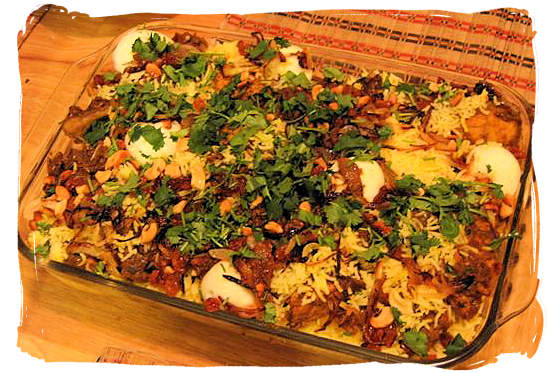
South African cuisine is a reflection of the country’s diverse culture and history. The food reflects a mixture of indigenous African, European, Indian, and Malay influences. South Africa’s traditional cuisine is characterized by the use of locally sourced ingredients such as meat, vegetables, and grains, and the cooking methods are often influenced by the country’s climate and geography.
Colonial History: European Influences
South Africa’s colonial history has left a significant mark on the country’s cuisine. Dutch, French, and British settlers introduced new ingredients, spices, and cooking techniques that have become an integral part of South African cuisine. For example, braai, or barbeque, is a popular South African cooking method that was introduced by the Dutch. Biltong, dried meat that is similar to beef jerky, is another popular South African food that was first introduced by the Dutch.
Eastern Influence: Indian & Malay Cuisines
South Africa’s Indian and Malay communities have also left their mark on the country’s cuisine. Indian cuisine has influenced the use of spices and flavors in South African dishes, and Malay cuisine has contributed to the use of coconut milk, curry, and chutney. Some of the most popular South African dishes that have Indian or Malay origins include bunny chow, a type of sandwich filled with curry, and bobotie, a dish made with spiced minced meat and baked with a custard topping.
Indigenous Influence: African Roots
South Africa’s indigenous communities have also played a significant role in shaping the country’s cuisine. Indigenous African ingredients such as maize, sorghum, and millet are commonly used in South African dishes. Meat, especially game meat, is also an important part of traditional South African cuisine. Some popular South African dishes that have indigenous African roots include pap, a type of maize porridge, and chakalaka, a spicy vegetable side dish.
Globalization: Fusion & Contemporary Trends
Globalization has also influenced South African cuisine, leading to fusion dishes and contemporary trends. South African chefs are incorporating different flavors and cooking techniques from around the world into traditional South African dishes. For example, sushi has become popular in South Africa, and it is now often served with a South African twist, such as using biltong as a filling. Fusion dishes such as bunny chow burgers and Cape Malay chicken curry pizza are also becoming more common.
Conclusion: Diverse & Flavorful Cuisine
South African cuisine is a mix of different influences that have come together to create a unique and flavorful cuisine. From indigenous African ingredients to European, Indian, and Malay influences, South African food reflects the country’s diverse culture and history. Today, South African cuisine continues to evolve as chefs experiment with new ingredients and cooking techniques, creating exciting new flavors and dishes.

Facebook Comments