 John Myers
Introduction: Brazilian Christmas Traditions
Christmas is a significant celebration in Brazil, where the country’s diverse culture and traditions come to the forefront. The Brazilian Christmas Feast is a time of togetherness, joy, and hope. The festivities typically begin on December 24th, with a family dinner that includes a variety of dishes, drinks, and desserts. The celebration continues on the next day, which is Christmas Day, with more eating, drinking, and spending time with loved ones.
History of Brazilian Christmas Cuisine
The Brazilian Christmas cuisine has a rich history, dating back to the colonial era. The Portuguese colonizers brought with them their culinary traditions, which were then mixed with the local ingredients and cooking styles. Over time, the cuisine evolved to include African, indigenous, and other European influences, resulting in a unique blend of flavors and textures. The Christmas feast, in particular, is a reflection of this culinary diversity, and it varies from region to region.
Ingredients and Staples of Brazilian Christmas Feast
The Brazilian Christmas feast typically includes a variety of ingredients and staples that are sourced locally. These include meats such as turkey, ham, and pork, along with seafood like codfish and shrimp. Vegetables like potatoes, carrots, and onions, and fruits like pineapple, mango, and papaya are also common. Staples like rice, beans, and farofa (toasted cassava flour) are served as side dishes.
Appetizers and Starters of the Feast
The Brazilian Christmas feast usually starts with a selection of appetizers, such as cheese bread (pão de queijo), codfish fritters (bolinhos de bacalhau), and shrimp cocktail (coquetel de camarão). These are followed by soups like shrimp soup (caldo de camarão) or black bean soup (caldo de feijão).
Main Course Dishes and Accompaniments
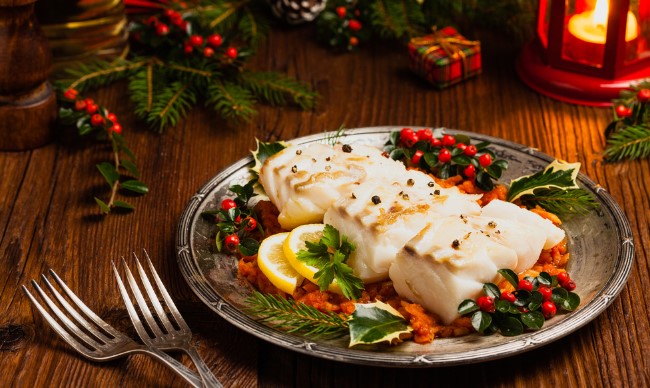
The main course of the Brazilian Christmas feast typically features a roasted turkey or ham, served with a variety of side dishes. These can include rice, beans, farofa, mashed potatoes, sweet potatoes, and casseroles like gratin dauphinois. Seafood dishes like codfish casserole (bacalhoada) or shrimp stew (moqueca de camarão) are also popular.
Desserts and Sweets for Christmas in Brazil
Desserts and sweets are an essential part of the Brazilian Christmas feast. Popular choices include tropical fruit salads, rice pudding (arroz doce), and cinnamon cookies (bolachas de canela). Another classic dessert is the rabanada, which is a type of French toast made with day-old bread, dipped in milk and eggs, and then fried and sprinkled with cinnamon and sugar.
Beverages and Drinks Served at Christmas
A variety of drinks are served during the Brazilian Christmas festivities, including beer, wine, and champagne. Soft drinks like guaraná and soda are also popular, as are fruit juices and cocktails. One of the most famous Christmas drinks in Brazil is the rabo de galo, which means “cock’s tail” and is made with cachaça (sugar cane rum) and spices.
Christmas Dinner Table Setting and Decorations
In Brazil, the Christmas dinner table is typically decorated with festive colors like red, green, and gold. Candles, flowers, and garlands are also used to create a warm and welcoming atmosphere. The table is usually set with plates, cutlery, glasses, and napkins, and sometimes has a centerpiece like a fruit basket or a floral arrangement.
Regional Variations in Brazilian Christmas Feast
The Brazilian Christmas feast varies from region to region, depending on the local culinary traditions and ingredients. For example, in the Northeast, there is a dish called “carne de sol” which is made with salt-cured beef, served with rice, beans, and farofa. In the South, a traditional Christmas dish is “churrasco” which is a barbecue feast with different types of meats and sausages.
Significance of Brazilian Christmas Cuisine in Culture
The Brazilian Christmas feast is not only a time for feasting but also an opportunity to celebrate the country’s diverse cultural heritage. The cuisine reflects the mixing of different culinary traditions and the influence of various regions and ethnic groups. Moreover, it is a time for families and friends to come together, share a meal, and create new memories. In this way, the Christmas feast has become an integral part of Brazilian culture and identity.



Facebook Comments