 John Myers
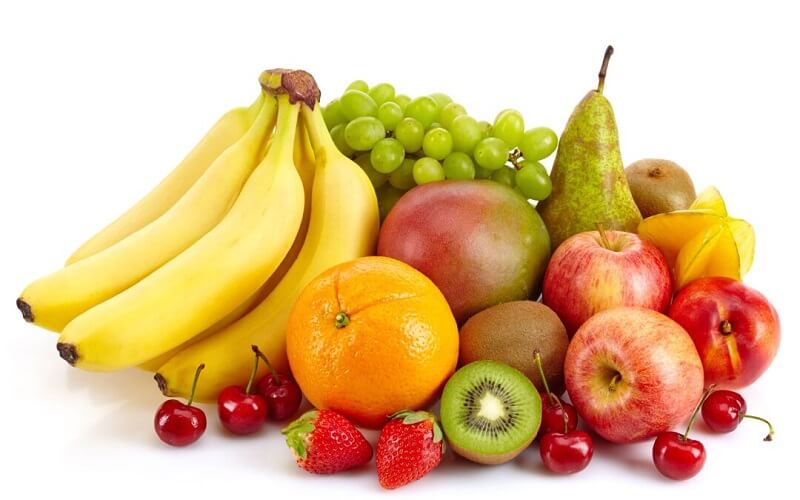
What health-conscious and sweet-toothed people often don’t know: Excessive consumption of fructose can trigger stomach pain and diarrhea.
The essentials in brief:
- Fruit sugar (fructose) occurs naturally in fruits and vegetables and is used in many foods as a sweetener.
- Too much fructose can lead to stomach and intestinal problems.
- High amounts of fructose can increase the risk of gout or promote obesity.
- 5 times a day Vegetables and fruit are healthy, but further intake of added fructose should be limited as much as possible.
Apples, fruit juice, various milk products, muesli and some sweets have one thing in common: they contain fruit sugar (fructose). What health-conscious people and people with a sweet tooth often don’t know: Excessive consumption of fructose can cause stomach pain and diarrhea. Some drinks, for example, contain up to 40 grams of fructose per liter. However, an intake of more than 35 grams per meal is already considered questionable. Even a yoghurt pot with a low sugar content can still contain 15 grams of fructose.
Fructose is the trend among manufacturers
In many fruits and vegetables, fructose naturally provides sweetness. However, fructose or fructose syrup is also often used in food production instead of granulated sugar. Because fruit sugar is cheaper to produce and has a ten to twenty percent higher sweetening power than conventional table sugar. Fructose also masks the unpleasant taste of sweeteners and enhances the fruity aroma in food – for example in low-calorie products.
Health problems widespread
In and of itself, fructose has a positive image. But the human digestive system is not designed to process too much fructose. About every third person cannot tolerate the intake of more than 25 grams of fructose per day and suffers from fructose intolerance with stomach and intestinal problems. But even for healthy people and especially for children, more than 35 grams per meal – which is about two glasses of apple juice – can be too much.
The European Food Safety Authority (EFSA) pointed out other possible metabolic disorders as early as 2011, according to which high consumption of fructose can promote dyslipidemia, insulin resistance and obesity. There is also evidence that high amounts of fructose can increase uric acid levels and thus the risk of gout.
Descriptions on the packaging such as “less sweet”, “less sugar” or “fruity sweetness” often hide a high fructose content. Low-fat dairy products can also contain fructose. This also applies to fruit-flavored mineral water, wellness and diet refreshment drinks.
Five servings of fruit and vegetables a day – one of them in the form of juice – is healthy and perfectly fine. However, you should limit your fructose intake beyond that as much as possible. When shopping, pay attention to whether fructose, fructose or fructose-glucose syrup are listed in the list of ingredients of the products. You should only drink fruit juices in moderation – a maximum of one glass per day, for example as a spritzer with one third juice and two thirds water. You can safely leave refreshment and wellness drinks that contain fructose on the shelf.



Facebook Comments