 John Myers
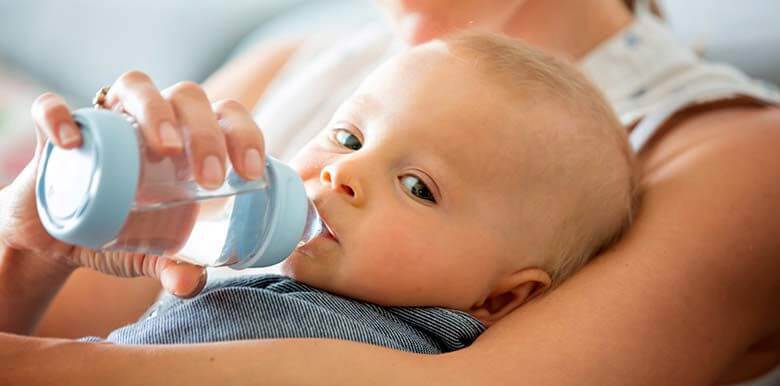
Only with the introduction of the third pap does the child need additional liquid. About 200 ml a day is enough to cover the needs of a healthy baby. Calorie-free drinks such as drinking water or unsweetened teas are best suited.
A baby constantly suckling his bottle filled with tea or milk is a commonly seen image. The child does not need additional liquid until the third porridge is introduced – the cereal-fruit porridge. An additional drink of about 200ml per day is sufficient to meet the fluid needs of a healthy infant.
Calorie-free drinks, such as drinking water or unsweetened teas, are the most suitable and serve as an optimal supplement to breastfeeding or baby food. Parents are recommended to offer their children not only herbal tea, but also other drinks. This has to do with the so-called pyrrolizidine alkaloids – substances that are formed by plants and can be found in tea. Large amounts of this substance can pose a health hazard to children.
Tap water is suitable for preparing baby food and also as an additional drink. When using tap water, the following should be observed:
- Water from the tap should be drained until cold water comes out of the faucet.
- The use of water filters is not recommended, since our drinking water is generally of good quality and water filters tend to contribute to contamination of the water, eg with germs.
- Caution is advised with lead pipes , which could still be installed in old houses.
- Care should also be taken with new copper pipes, as they continue to release increased amounts of the metal into the water for several months.
- Because drinking water contains nitrate, you should check with your local water utility, health department, or community about the nitrate levels in your tap water. There are legal limits for nitrate – complementary food, for example, may contain a maximum of 200 mg/kg nitrate.
The additional drink should ideally be served in a mug, cup or glass right from the start. Bottle-fed drinking may be less likely to go wrong, but it also makes learning to drink more difficult. In addition, “constant sucking” and the “bottle to fall asleep” increase the risk of dental disease – even if there is only water in it.


Facebook Comments