 John Myers
I eat vegan and have noticed that more and more vegan products contain gellan (from algae), especially in the plant-based milks. I have Hashimoto and an iodine allergy and should avoid iodine and fixed packets containing iodine.
Sea salt or iodized salt is also often used. That’s why I’ve been avoiding the bakeries for years. Can I consume products with gellan, sea salt and agar agar?
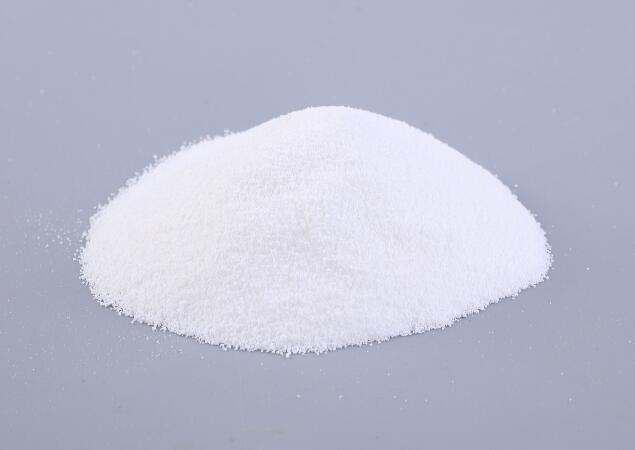
Gellan is an additive (E 418) that is used as a gelling and thickening agent. This is not obtained from algae, but produced with the help of bacteria. It is therefore iodine-free.
This polysaccharide is not absorbed by the human body and, like agar agar, is excreted undigested as roughage. Excessive consumption can have a laxative effect. In a soy drink, it keeps the soy protein in suspension so I can’t put it down.
You can therefore consume products with gellan without hesitation regarding your illness.
Agar agar, an additive (E 406) obtained from certain seaweeds, the red algae, and used as a thickening or gelling agent, for example, does not contribute significantly to the iodine supply due to the small amounts used.
Even if a diet low in iodine is recommended by doctors, products that contain freshwater algae or additives from seaweed can usually be consumed without hesitation.
Sea salt is generally low in iodine. The iodine in seawater is volatile iodide. Light and air decompose it as it crystallizes into salt. Therefore, fortified iodized salt usually contains more iodine than sea salt.
Even the use of iodized salt does not pose a health risk. The amount of iodine that may be added to salt is regulated by law and is 15 to 25 mg/kg. It is selected in such a way that there is no health risk for healthy people or people with thyroid diseases.
However, especially because of your iodine allergy, you should follow your doctor’s recommendations.
The use of iodized table salt in processed foods is on the decline. Only 10 percent of industrially produced bread and baked goods still contained iodized salt in 2019. For meat and meat products, it was only 47 percent. Ask the bakeries if they use iodized salt. You might find a bakery near you that does not.
General information about iodine for healthy people:
Iodine is a vital trace element that must be ingested with food. In the human body, iodine is necessary for the formation of thyroid hormones, which are involved in controlling metabolism, growth, bone formation, brain development and energy metabolism.
Too little iodine intake over a long period of time can have serious health consequences. In general, care should therefore be taken to ensure that there is sufficient iodine intake in the diet.
The daily requirement is subject to individual fluctuations and varies depending on age and other factors such as smoking or pregnancy. According to the German Society for Nutrition (DGE), healthy adults should consume 180-200 micrograms of iodine daily, depending on their age. The requirement can be covered by a varied diet with sea fish, seafood, meat, eggs, milk and milk products (if feed containing iodine is used) and iodized salt. If you do not eat foods of animal origin (meat, fish, milk, eggs), there is an increased risk of iodine deficiency. Vegetarians, vegans and people who have to follow a special diet should therefore pay particular attention to an adequate supply of iodine.
Since too much iodine can also have harmful effects, the maximum intake of 500 micrograms per day should not be exceeded. Food with a high iodine content, such as seaweed or sushi, should only be eaten in moderation, as their iodine content can be extremely high.



Facebook Comments