 John Myers
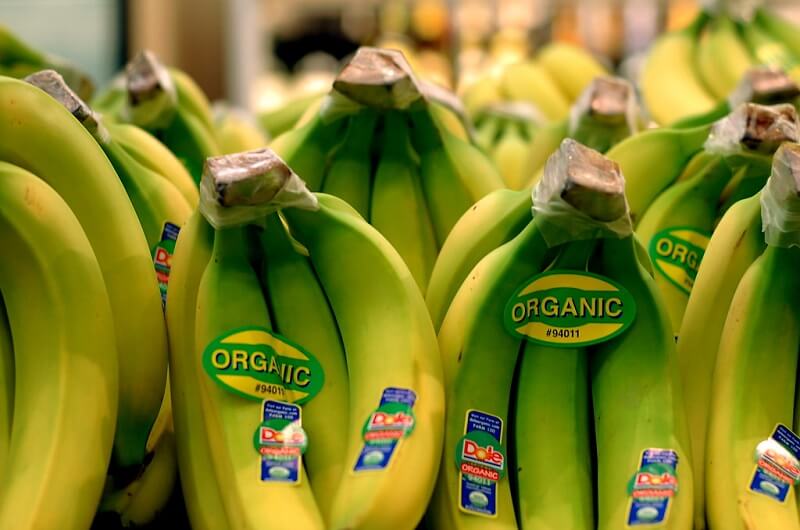
How dangerous are organic banana skins? And what poisons might it contain?
Residues of pesticides on and in the peel of conventional bananas have repeatedly been detected in studies over the past few years. These include, for example, agents such as thiabendazole and imazalil.
As a rule, exceedances of pesticide limit values are not detected, but an almost continuous contamination of conventional products.
Organically grown bananas are less or not at all contaminated. Chemical-synthetic means are forbidden here. In certain circumstances, agents such as copper sulfate as a fungicide, plant extracts as insecticides, or potassium, magnesium and sulfur as fertilizers can be used.
In the tropical climate that bananas need to grow, numerous pests and plant diseases also thrive that can endanger the harvest. These include fungal diseases, sucking insects or nematodes, and roundworms that can damage the roots of banana trees.
Mixed cultures with tall trees and other fruits and good humus management with mulching and tillage mean that pesticides and fungicides can be dispensed with.
If you also use fair trade bananas in addition to organic, you support not only environmentally friendly cultivation methods but also humane working conditions.

Facebook Comments