 John Myers
Knowing whether foods are diuretic or not can make conscious choices to influence toileting. We have compiled the most important foods and drinks that increase the urge to urinate here for you.
Diuretic foods – look for or avoid
Those who store too much water in their body and want to get rid of it consciously look for diuretic foods. Others, on the other hand, want to avoid one or the other food or drink that increases the urge to urinate, for example if they are suffering from bladder weakness. Dehydrating foods and beverages, like their corresponding medications, fall under the medical term ‘diuretics’. The following foods have a diuretic effect:
- Asparagus: Everyone knows the effect. A delicious asparagus cream soup or the portions of asparagus in the merry month of May make the urge to go to the toilet shortly afterwards skyrocket. The substance, which is probably responsible for the kidneys excreting more liquid than normal, can then be clearly smelled on the toilet and is called asparagine. Asparagus is also available as plant juice as a mildly effective natural medicinal product.
- Rice: Rice draws water, as everyone knows who has ever been able or wanted to save a soaked electrical device with the help of a rice bath rich in starch. In the body, rice also has a dehydrating effect, but not because of the same ingredient. This is where the potassium contained in rice works. Abundantly present in food, potassium activates the hormone aldosterone so that the kidneys excrete potassium and at the same time an increased portion of water.
- Bananas: They are the sweet twist on the rice methodology. Bananas also gently boost potassium levels. The effect: Potassium and water are increasingly excreted with the kidneys. This can even help to lower blood pressure in small parts.
- Potatoes: The tuberous fruits are one of the draining, potassium-rich foods. If you want to use them for draining, make sure that as little salt as possible, preferably no salt at all, plays a role in the preparation of potatoes. Because sodium chloride counteracts the dehydrating effect.
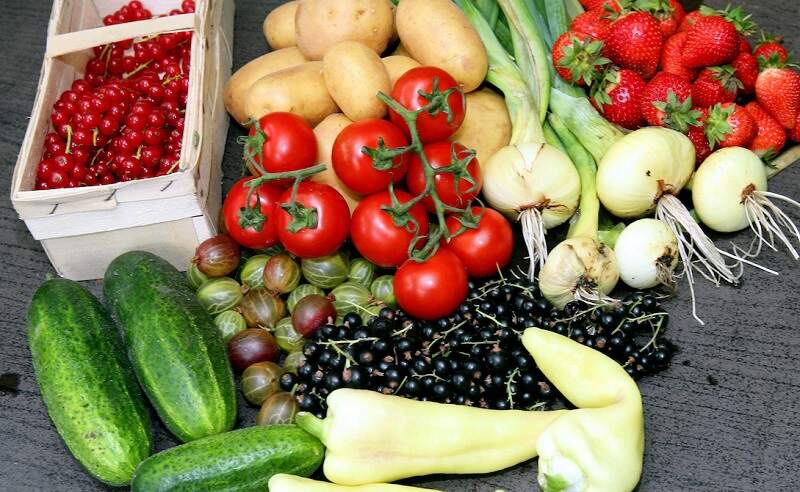
- Fruits and Vegetables: There are a number of similar high-potassium vegetables, all of which transport water out of the body with a potassium boost. The so-called ‘diuretically effective’ vegetables and fruits include, for example, fennel bulbs, white cabbage in the form of sauerkraut, cucumbers, tomatoes, red berries, melons and cherries.
- Radish: The hot root, just like the little red siblings called radishes, drive the kidney activity with its special ingredients, the mustard oils, to a stronger activity. This increases urine production and the urge to urinate. Positive for urinary tract infections: at the same time, radish and co. develop a slight antibiotic effect.
- Parsley: This culinary herb can be the perfect condiment if you’re tempted to eat diuretic foods. Use parsley on vegetable dishes or in soups. For example, a tomato soup, only mildly seasoned with salt but with plenty of parsley, is an ideal dish for stimulating kidney activity and excreting water.
Beverages with a dehydrating effect
Sounds absurd: Drink to get rid of water! But it is actually true when it comes to certain drinks. They can either stimulate kidney activity or use special mechanisms to slow down the recovery of water from the urine from the kidney’s primary urine. The following drinks are included:
- Alcohol: Anyone who wishes to use the bathroom no more often than is normally necessary should use alcohol sparingly. Beer in particular – i.e. the combination of a lot of water with alcohol – really washes through. Alcohol inhibits the enzyme adiuretin (ADH), which normally down-regulates the amount of urine produced. Almost everyone is certain that they will soon be going to the toilet after the measure of beer.
- Caffeine and theine: If you would rather avoid frequent trips to the toilet, then you should temporarily limit the drinking of coffee and black and green tea. If, on the other hand, frequent urination is desired, feel free to pour yourself an extra cup. However, this effect can no longer be observed in coffee and tea drinkers.
- Herbal tea: Nature’s miracle box has some plants and substances ready that can also have a strong influence on the water balance in the body. Common types of tea, for example, whose draining effect is often used, are nettle, dandelion, mate or birch leaves. Less well known is corn beard tea, a tip given by midwives to mothers with water retention after childbirth. Green oat tea is also a special tip, which has a draining effect and at the same time has a positive effect on the acid-base balance.
Be alert to water retention
Basically, no food or drink should harm you, even if you consume it for the purpose of dehydration. It is always better to seek medical advice for problems such as water retention. There may be medical conditions behind it that require medical treatment.
- The use of herbal extracts and teas in particular sometimes provides a high boost of active ingredients, which should better be avoided in the case of some health impairments.
- On the other hand, special medicinal plant juices, such as those made from birch, stinging nettle and co., can possibly be a good supplement or – only after asking the doctor treating you – can also be a substitute for drug treatment.


Facebook Comments