 John Myers
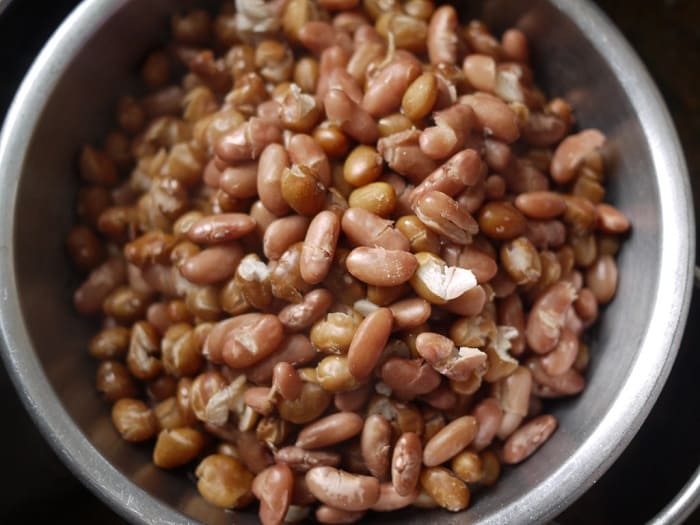
Your last resort is to add baking soda, as described above. Add 1/4-1/2 teaspoons of baking soda to encourage softening and give your beans another 30-60 minutes to cook while simmering (your liquid should be hot, but not rapidly boiling).
How do you make tough beans tender?
Heat to boiling; boil for 2–3 minutes. Remove from heat, cover and soak for up to 4 hours. Hot soaking is the preferred method since it reduces cooking time, helps dissolve some of the gas-causing substances in beans, and most consistently produces tender beans.
How do you soften beans quickly?
- Clean and sort them. Rinse your beans in a colander with cool tap water.
- Cover with water.
- Bring the water to a boil over high heat, leave the pot uncovered and cook the beans for 5 minutes.
- Remove pot from the heat and soak the beans.
- Drain, rinse, and cook!
Will beans eventually get soft?
Old beans will take longer to cook, and the oldest beans will stay tough and chewy no matter how long (within reason), they simmer. If you find yourself cooking soaked beans for more than two hours, and they just will not soften, it may be your beans…not you.
Why are my beans still hard after cooking?
The issue is that over time, dried beans become harder to cook. The older dry beans are, the longer they take to cook. Some have guessed that they lose their ability to soak up water. If your beans are too old when you cook them, they won’t soften much and will have an unpleasant texture.
Why are my beans not softening?
There are three primary reasons why dried beans do not soften despite extensive cooking time: 1) they are old; 2) hard water; or 3) the presence of an acid. If you don’t think your beans are old, then perhaps your water is the problem. Beans cooked in hard water will never soften properly.
Does baking soda help soften beans?
Baking soda also helps tenderize beans by speeding the deterioration of pectin, essential to plant cell structure and strength. If you’re using hard water or beans damaged by age or storage, add 1/4 teaspoon of baking soda per pound of dried beans to the soaking water.
How do you soften old dried beans?
Can you eat hard beans?
“Cooked beans should be soft and tender,” Hendija says. If your beans still feel hard after cooking them, don’t eat them, and let them stew for longer.
Will vinegar soften beans?
Acids such as vinegar make hemicelluloses more stable and less soluble, which might slow down the softening of beans. So to make sure your red beans are at their creamiest, add the vinegar later in the cooking process, or just use it to season them at the table.
What happens when you overcook beans?
Can you overcook beans? The long answer short is, “it depends.” Overcooked beans come out soft, mushy, and less appetizing, but they can still be eaten. So, while over-cooking doesn’t necessarily make food harmful, it certainly can take away from the flavor and make beans taste bad.
What do you do if you eat undercooked beans?
You may have nausea, vomiting, and diarrhea. You may also have cramps or abdominal pain. Generally, these symptoms appear within 3 hours of eating the beans. Visit urgent care or the ER if your symptoms are severe.
Can I re cook undercooked beans?
Stir baking soda into a pot of hard, cooked beans. Use 1/4 teaspoon of baking soda per pound of beans for best results. Beans that have been stored for more than a year are more likely to stay hard upon cooking. A bit more baking soda may be required in this case, to coax tenderness from the legumes.
How to soften and store beans
Can you add baking soda to beans after cooking?
Now, wondering when to add baking soda to beans? It works best with just a pinch (about 1/16 of a teaspoon) sprinkled into dried beans while they soak in water before cooking. Even if you don’t struggle with gas after eating beans, the addition of baking soda may help enhance your cooking experience in another way.
How do you know if beans are undercooked?
Check them at regular intervals until the beans are tender but still firm. They shouldn’t be falling apart. A great way to tell that beans are done or almost done is to blow on a spoonful of them.
Why do you put baking soda in beans?
Your beans will cook faster. Well, creating an alkaline (or basic) environment by adding a small pinch of baking soda to your cooking water can actually help your beans cook faster.
How much baking soda do I add to dried beans?
Beans cooked with a tiny amount of baking soda (about one teaspoon per cup of dry beans) added to the cooking water cook in about half the time as beans cooked without.
How do you remove the gas from beans?
Soaking overnight and then discarding the soaking water leaches out sugars in beans that are responsible for gas production. But if you don’t have time for a traditional overnight soak, a quick soak is just as beneficial. Rinse the beans and then place them in a pot with three cups of water for each cup of dried beans.
7 Tips for cooking dried beans
Why are dried beans toxic?
But, when cooking certain dry beans in a slow cooker, it could be toxic. The problem isn’t bacteria, but a compound called “phytohaemagglutinin,” also called PHA, or kidney bean lectin. Lectin is a type of protein that performs many functions in both plants and animals.
What does apple cider vinegar do for beans?
The apple cider vinegar breaks down indigestible sugars to help digestion and also brightens the flavor of the beans without the need for excess salt. With the apple cider vinegar, onions, garlic, and cumin in this flavorful pot of beans you may not want to add salt at all!
How much vinegar do you add to beans?
In a pot, place 1 part beans with 3-4 parts water. I like to add a tablespoon or two of apple cider vinegar to help reduce the ‘side effects’ beans are so well known for.



Facebook Comments