 John Myers
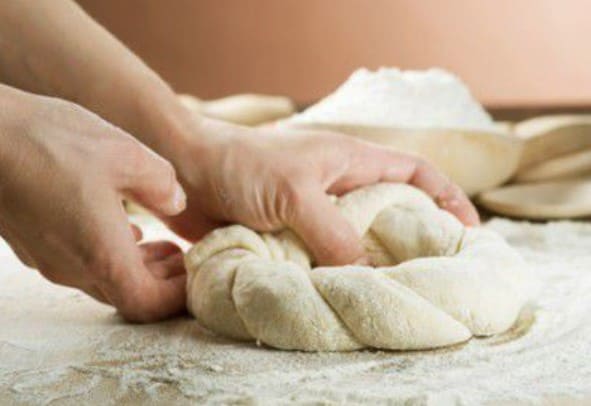
Kneading the dough is important so that the chemistry is right: Only by kneading enough – but not excessively – can you ensure that a perfect gluten structure is created in the dough during baking. This in turn is responsible for the crispy crust and the fluffy inside.
Knead the dough: That’s why it’s so important
In order to bake perfectly crusty bread or fluffy, delicious rolls, it’s not just the ingredients that count. It is at least as important to knead the dough! Because that’s the part of baking that affects the gluten structure in the dough. This in turn is responsible for a crispy crust and an airy dough. If you don’t knead long enough, the ingredients won’t spread evenly and the bread or cake won’t rise to the desired size in the oven. If you haven’t kneaded long enough – regardless of whether you knead the dough with a hand mixer, with a machine, or by hand – you will notice that the dough tears up quickly when you touch it. On the other hand, if you have kneaded it for too long, it will become hard and tough and difficult to fold or press. How long you have to knead dough depends on the recipe. However, you’ll know the dough has the perfect consistency when it feels soft and elastic and “springs back” a bit when you press it lightly with your fingers.
Tip: Did you knead your dough for too long and it got hard? Don’t panic, it won’t render it useless. Just let it rest for a while, then the gluten will relax again, the dough will soften and you can then process it further.
Knead the dough and then let it rest
Kneading is important regardless of the type of dough: whether you are making a basic yeast dough recipe, trying out a sourdough bread or other bread recipe, or making shortcrust cookies, kneading has an impact on the end product. In many recipes, you will also find instructions to let the dough rest after kneading. This also has something to do with gluten: gluten, i.e. gluten protein, does exactly that – sticks. If you tried to roll out a yeast dough immediately after kneading it, it would contract like rubber. So it has to relax beforehand – which is why it is left to rest before further processing. For shortcrust pastries, you should chill the dough while it is resting before cutting out cookies, as it quickly loses stability when warmed up.
By the way: Whether you use dough hooks to knead the dough or prefer to knead the dough without a machine is purely a matter of taste or habit. Both methods work equally well if you follow the kneading guidelines mentioned here.


Facebook Comments