 John Myers
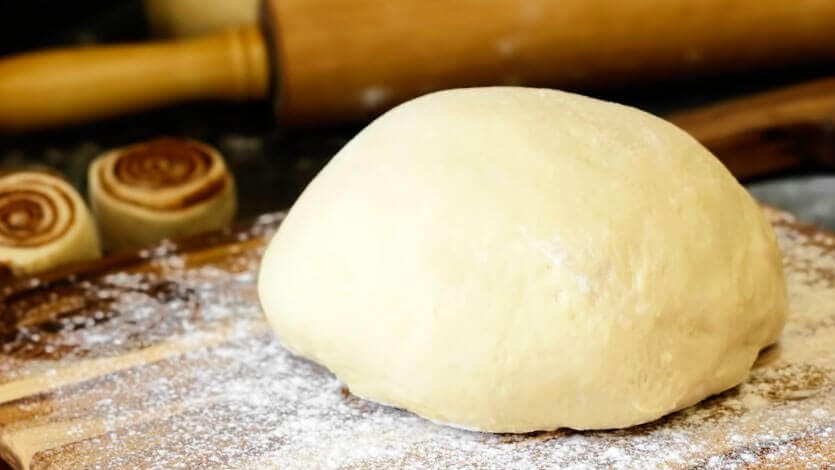
Yeast dough has to be warm and processed immediately after preparation? That’s not true: yeast dough works just as well overnight in the fridge – it just takes longer. An advantage for everyone who likes to sleep in on Sundays and still like fresh yeast rolls for breakfast or wants to bake our pudding pastries during the day.
This is how yeast dough rises overnight in the fridge
Do you like freshly baked mares on Sunday mornings, a yeast plait with raisins or yeast rolls, but are you anything but an early riser? It doesn’t matter, you can let the yeast dough rise in the fridge overnight instead of putting it in a warm place for an hour after preparation. Even if yeast dough usually likes it warm: If you have enough time, you can put yeast dough in the fridge overnight – then it is not the heat, but the time that ensures that the yeast cultures multiply. Some baking fans even find that rolls, brioches, filled yeast cakes, or cinnamon rolls taste even more fluffy if they let the sweet yeast dough rise in the fridge overnight, as the dough then becomes finer.
You can basically keep any yeast dough in the fridge overnight (before that, read about the difference between fresh yeast and dry yeast and how to make yeast yourself). The most important thing is that you prepare the yeast dough correctly: Unlike when you let the yeast dough rise warm, make it with cold ingredients, otherwise, the yeast will develop prematurely.
Yeast dough in the fridge – two variants
There are two ways to let yeast dough rise in the fridge overnight.
Variant 1: Prepare the dough according to the recipe (do not forget: with cold ingredients!). Then place it in a large bowl (so it has room to rise), covered, in the refrigerator, or in a cold room for 12 to 18 hours. 10 to 16 degrees are ideal.
Variant 2: Prepare the dough as above and form the rolls or bread out of it the way you want to bake it the next morning. Then refrigerate as instructed.
No matter which variant you prefer: give the yeast dough a chance to slowly warm up the next morning. Take the dough or already shaped baked goods out of the refrigerator or cold room before you switch on the oven. The surface of the dough should no longer be refrigerator temperature when you put it in the oven. Alternatively, you can also place the rolls in the cold oven and extend the specified baking time by about ten minutes.
Tip: chilling is also a great emergency solution if you have prepared the yeast dough in a classic way with warm ingredients, but are then interrupted during baking. A few hours in the fridge will slow down the fermentation process of the yeast without harming the dough.



Facebook Comments