 John Myers
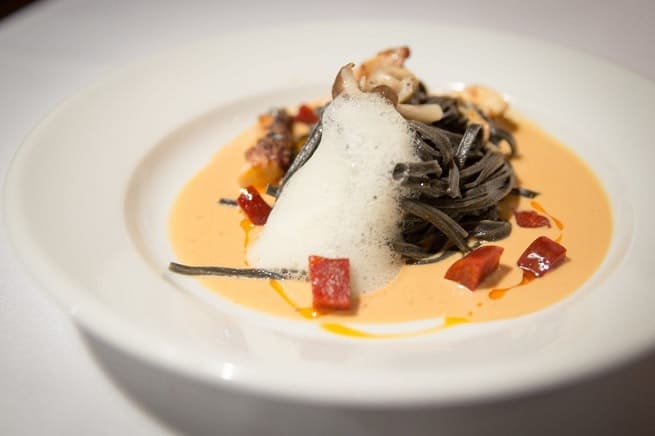
Molecular gastronomy tries to use scientific knowledge from the fields of biochemistry, physics and chemistry in cooking. In this way, food and drinks should develop unusual, new textures, colors and aromas and ensure special, sensual experiences.
One of the central questions of molecular gastronomy is the following: Why does food change, for example, under certain temperatures and mechanical or other influences. The findings from the laboratory are then transferred to other foods in order to prepare dishes in a new and spectacular way. The principles of molecular gastronomy can already be found in finished products and convenience food. With the help of additives, for example, a powder can be made into a soup together with hot water.
The term molecular gastronomy is a synonym for the term molecular gastronomy, which was coined around 1990 by the French chemist Hervé This. He studied the chemical, biological and physical processes that take place during food preparation. The term molecular gastronomy is not without controversy because it is very unspecific. Basically, everything is made up of molecules that change when heated, combined with other ingredients, cooled or frozen, baked or cooked. This means that molecular gastronomy cannot essentially be distinguished from “normal” gastronomy.
The biggest difference can probably be seen above all in the cooking utensils used, which in molecular gastronomy come to a not inconsiderable extent from scientific laboratories. Food can be cooked in a vacuum or heated up precisely in a temperature-controlled water bath. In addition, cooling with dry ice or liquid nitrogen is one of the classics of molecular gastronomy. The result is prepared food that is hardly recognizable as the food it was originally: melon juice takes the form of caviar, gravy piles up in foam, and hot ice cream melts in your mouth as it cools.
In order to try molecular cooking at home, you can either buy the appropriate starter sets or you can use simpler methods: With conventional gelling agents such as gelatine or agar-agar, liquid dishes can be solidified quite easily and served in an unusual way, such as sauces or cocktails.


Facebook Comments