 John Myers
Solanine – all in the green
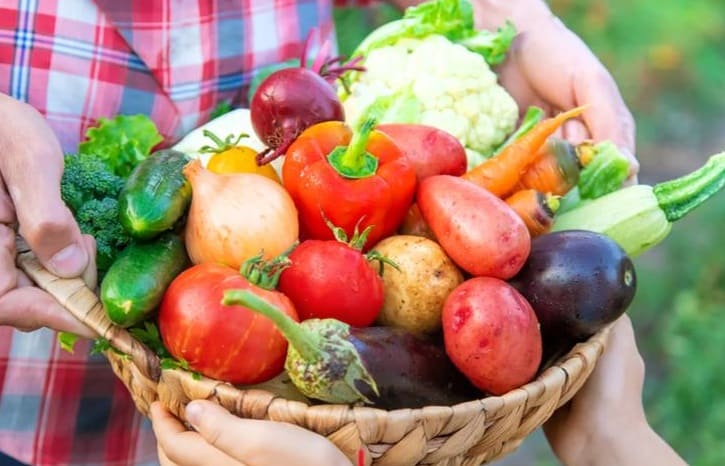
The toxin solanine is found in many nightshade plants. This group of plants also includes the popular vegetables tomato, potato, and aubergine. The substance protects the respective plant from predators in a natural way. What should be considered when preparing the corresponding types of vegetables?
- Solanine is heat-resistant and is therefore not destroyed during cooking. Instead, the poison can migrate into the cooking water and possibly contaminate other foods. Toxic plant parts should therefore be removed before preparation.
- In general, the rule of thumb applies: solanine is mainly found in the green parts of the affected plants. A particularly large amount of the toxin is found in the green parts of potatoes or the stalks of tomatoes. Both should be carefully cut away.
- New potatoes or germinating specimens also contain increased amounts of the toxin. Germs and immature spots should be completely removed. Store potatoes in a dark and dry place to avoid sprouting. When it comes to aubergines, the varieties that are common today contain almost no solanine when ripe.
- Unripe, green tomatoes are taboo – they contain elevated levels of the toxin. Of course, this statement does not apply to tomato varieties such as ‘Green Zebra’ or ‘Evergreen’, which remain green or greenish even when ripe and can nevertheless be eaten without worrying. However, avoid eating unripe vegetables.
- Poisoning with solanine is often described as a “heavy stomach”, and symptoms appear 4 to 19 hours after ingestion of the poison. Feelings of fullness and drowsiness may include nausea and vomiting. A sore throat or breathing problems are also common symptoms.
- Severe poisoning damages the central nervous system, leading to hallucinations, seizures, and paralysis, which in extreme cases can lead to death.
- However, poisoning yourself from vegetables with solanine is extremely unlikely. The Federal Center for Nutrition, for example, states that an adult has to eat 10 portions of boiled potatoes a day in order to be poisoned by the solanine they contain.
- However, it should be borne in mind that children may have a significantly lower level of tolerability. Caution is therefore advisable when preparing the corresponding types of vegetables.



Facebook Comments