 John Myers
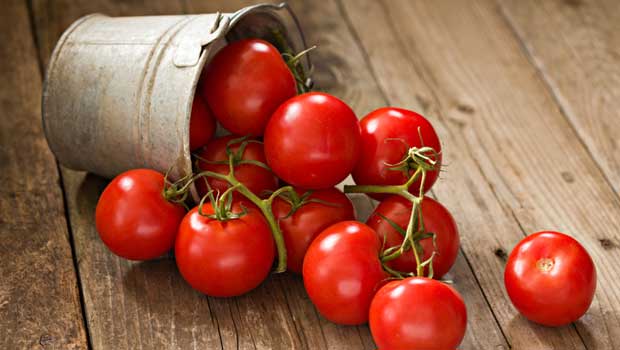
Tomatoes can be really tasty – especially when they taste sweet. But how much sugar is in a tomato and can diabetics enjoy it without hesitation? Here’s everything you need to know about it.
Sugar content in bread units
Who doesn’t love her? – Fresh, sun-ripened cherry tomatoes! They usually taste sweet. Nothing for diabetics, one might think, since they also have to be careful with healthy food. In fact, a diabetic can eat whatever they want, but – as always, the amount matters! In the case of diabetes, this is calculated in bread units: you can eat 19-25 BE (bread units) throughout the day if you have diabetes. Products made from wheat flour, for example, have a comparatively high carbohydrate content of 6 BE per 100 g and should therefore always be consumed in moderation. But what about tomatoes? They also contain sugar. But are they really harmful to you if you have diabetes? A closer look is worthwhile here.
Tip: Pay attention to the nutritional value table for packaged food! In addition to the sugar content, the carbohydrate content is also indicated there. Your body converts this 1:1 into sugar. If you eat something that contains carbohydrates, you automatically take in sugar.
The sugar content of tomatoes
Depending on which tomatoes you eat will vary the number of carbohydrates to watch out for if you have diabetes. The different processing methods also influence the sugar content.
Raw tomatoes
Average size tomatoes
Tomatoes can taste sweet as sugar in summer when they have ripened properly. If you are diabetic and love fresh tomatoes, you can breathe easy: Even if they taste sweet, normal-sized tomatoes in their raw state have low sugar content, namely:
- 2.5 g of sugar per 100 g of tomatoes
- corresponds to less than 0.2 BE per 100 g
Cherry tomatoes
Cherry tomatoes are smaller than the average tomato and taste sweeter, which makes them particularly popular, and not just for children. Their sugar content is correspondingly higher, but still well tolerated by diabetics and the average consumer:
- per 100 g of cherry tomatoes 3.2 g of sugar
- corresponds to less than 0.2 BE
Canned tomatoes
Chopped or peeled canned tomatoes contain almost twice the sugar of a regular tomato, namely:
- 4.4 g of sugar per 100 g of canned tomatoes
- corresponds to less than 0.2 BE
But that’s not quite a lot. So you can keep scooping them up by the bucketful if you feel like it.
Tip: Canned tomatoes have a higher sugar content because they have been cooked beforehand. Much of the liquid evaporates during the cooking process, while the sugar remains.
Sun-dried tomatoes
Sun-dried tomatoes are a bit like dried fruit. Since the fruit water evaporates, but the sugar remains completely behind, the sugar content of dried tomatoes is slightly higher than that of fresh ones:
- per 100 g tomatoes 6 g sugar
- 0.5-1.2 BE
That’s a little more than the sugar content of a strawberry and almost twice the sugar content of fresh tomato. But that’s still not a lot of carbohydrates and so you can still reach for dried tomatoes with diabetes as long as you don’t overdo it.
Tomato paste
It’s hard to believe, but there’s a lot of white stuff in tomato paste, namely:
- 12.5 g of sugar per 100 g of tomatoes
- 1.5 BE
That’s as much as in a sweetened yogurt. Diabetics should therefore be very careful with tomato paste. Despite its high sugar content, however, it is considered healthy: lycopene, which is abundant in tomato paste, protects against cancer and reduces the risk of heart attack and stroke. And by the way: You can also make tomato paste yourself.
Diabetes Advice
Always use fresh tomatoes or tomatoes from a jar for sauces or soups. Please only use tomato paste in extremely small doses! Also pay attention to what you want to eat with your sauce or soup. If you cook pasta with tomato sauce, you should completely avoid tomato paste!
Tip: Fresh pasta with tomato sauce and Parmesan cheese! It’s quite a challenge for diabetics to do without it. High-quality wholemeal pasta prevents blood sugar from rising too quickly and actually keeps you full for longer. Water and exercise will also help you get your blood sugar under control again after a portion of pasta.


Facebook Comments