 John Myers
Your legs are velvety soft again, but your skin is red and burning. A clear case of razor burn. But how do you prevent this annoying beauty glitch and what helps with itching, redness, and the like? Discover effective care tips now.
The triggers of razor burn
Whether on the chin or cheeks, under the armpits, on the legs, or in the intimate area: razor burn can occur on any part of the body and affects men and women equally. The cause of the redness, itching, burning, and pimples are microscopic injuries to the skin surface caused by shaving. Germs can easily penetrate the tissue and cause irritation and inflammation.
Prevent razor burn: no more burning skin
Is a dry shave or a wet shave more gentle if you tend to get razor burn? In fact, both can stress the skin. Therefore, the first thing to do for prevention is: Always use fresh blades. They work more precisely, which means that fewer and gentler movements are necessary for a good result. Incidentally, this tip also applies to strawberry legs, which also help to avoid new blades.
Also, always work in the direction of hair growth. This is how you protect the tissue. Also, avoid products with alcohol in your subsequent body or beard care. It can eventually irritate the skin. The same goes for sweat, by the way. Therefore, wait at least an hour after shaving before exercising.
In addition, tight clothing stresses freshly shaved skin and thus provokes inflammation. So don’t slip into your favorite skinny jeans immediately after shaving.
This helps with razor burn
Cooling is the best help for acute razor burns under the armpit. Firstly, cold water makes you feel good, and secondly, it closes the skin pores. This reduces the risk of inflammation.
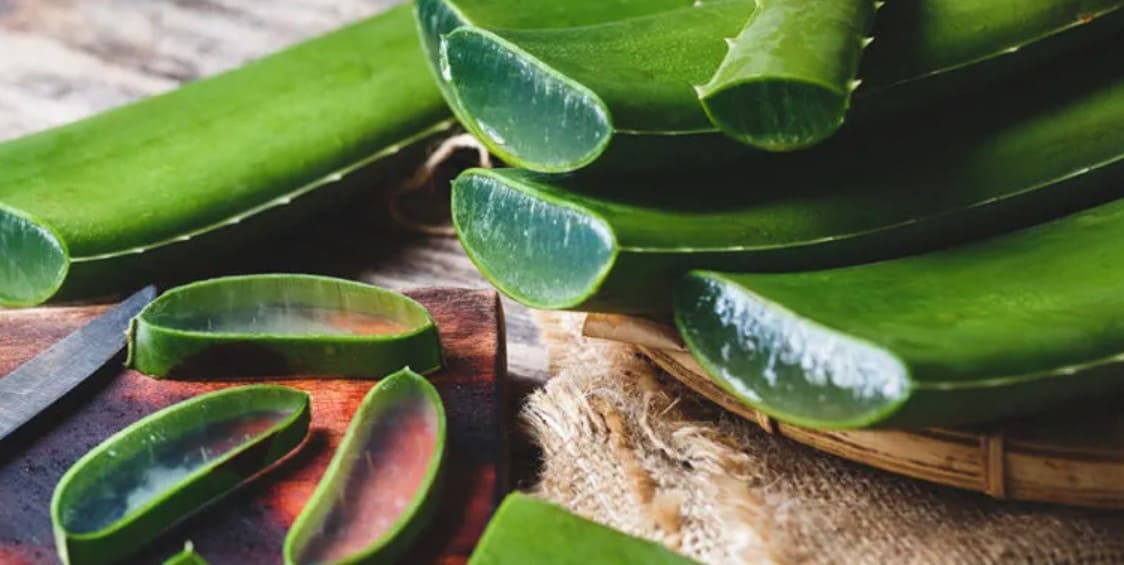
Then dry your skin well, as a damp environment is more susceptible to germs. But: Be very gentle and gently pat the body region dry. Then pamper the stressed skin with a lotion or razor burn cream with soothing moisturizing ingredients. These include chamomile and honey, which are also popular home remedies for razor burn, as well as calendula, panthenol, allantoin, aloe vera, and urea.


Facebook Comments