 John Myers
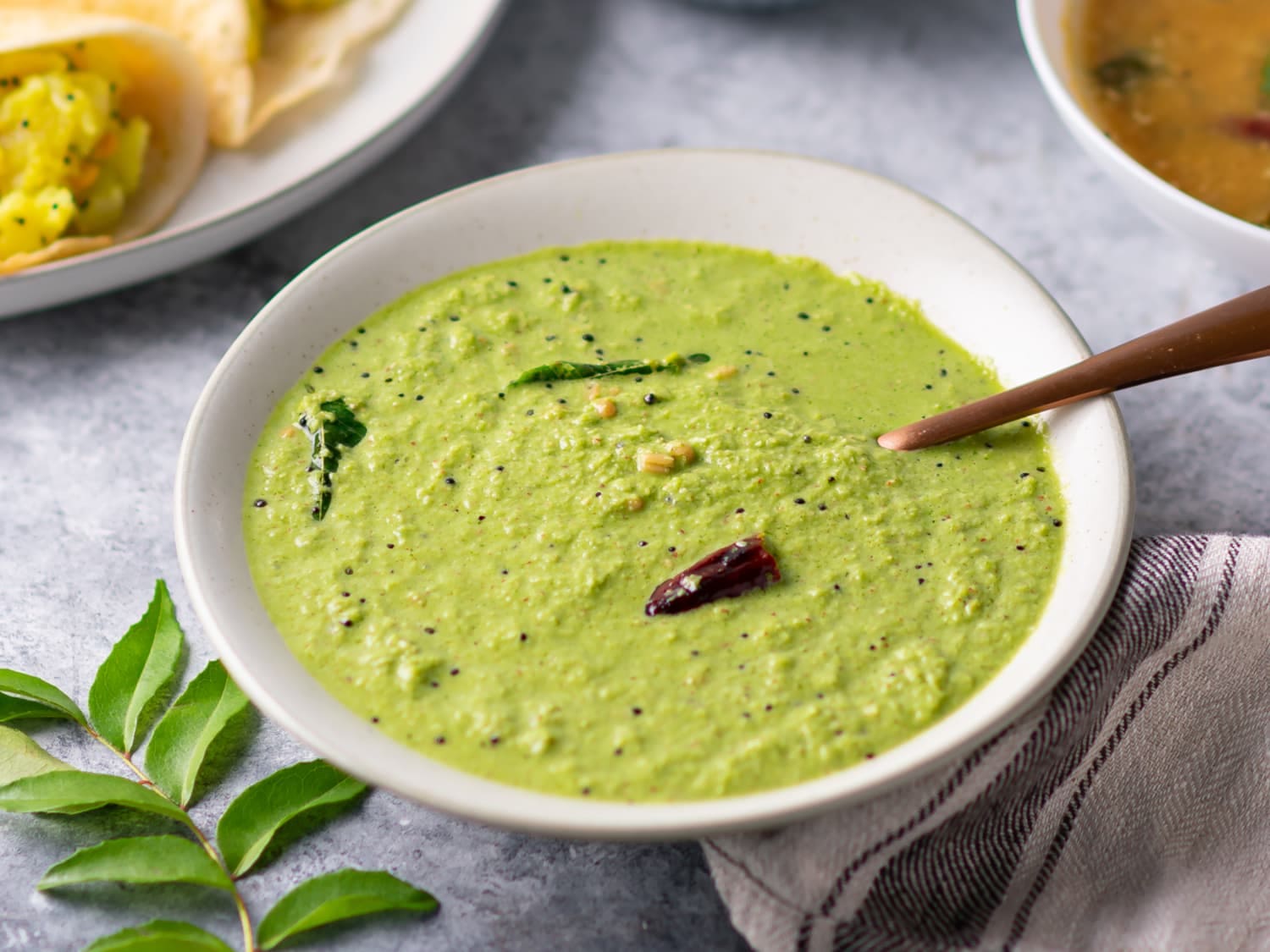
Chutney is a spicy, sometimes sweet and sour or hot and spicy sauce from Indian cuisine that has a mush-like consistency. The basis of a chutney are different types of vegetables and/or fruits and many different spices. They are boiled with vinegar and sugar until the liquid evaporates and the ingredients are soft. The sauce has an almost jam-like consistency. The long cooking time ensures that the flavors of the individual ingredients combine completely. In India, chutneys are freshly prepared and give curries a special flavor. A relish is a condiment that is also made from vegetables and/or fruit. These are cut into very fine cubes and prepared with vinegar, sugar and various spices. Relish can be seasoned in many different ways, creating a mild, sweet and sour or even very spicy relish. There is also a so-called English “Gentleman’s Relish”, which consists mainly of anchovy paste. This is spread thinly on toast, used as a filling or to prepare scrambled eggs.
Origin
The English brought chutneys to Europe during the colonial era. Chutneys originally came from East India. The English adopted the name “chatni”. This is Hindi and means “to lick”. The chutneys that are prepared today in Europe or in the USA consist of vegetables or fruits. Commonly used ingredients are mango, tomato, onion, garlic, coconut or coriander leaves. Spices such as salt, sugar, chili, pepper, ginger, cumin, turmeric, lemon juice or vinegar give the chutney the desired flavor. Depending on the ingredients used, chutneys are either boiled like jam or mashed cold. The cold version is similar to the relish preparation. Relishes, like chutney, originally come from India. With us, however, relish only became known from America in the past few decades.
Season
Ready-made chutneys and relishes are available year-round. The fresh preparation depends on the ingredients and their season. If ripe fruits or seasonal vegetables are used, a chutney or relish of particularly good quality and taste is obtained.
Taste
The variety of chutney and relish recipes is very large. The taste of the chutney and relish depends on the ingredients used and how it is made. They can be spicy, sweet and sour or have a piquant and hot note. There are hardly any limits to the imagination when it comes to composing chutneys and relishes. Fruits such as mango, raisins, apples, green tomatoes, pumpkin, apricots or melons are combined with onions, ginger, vinegar, chilies, pepper or cinnamon. Also try our zucchini chutney recipe, plum chutney recipe or our pumpkin chutney recipe!
Distinguishing chutney and relishes is not easy. Chutneys are usually jam-like and slightly sweet. Relishes, on the other hand, are usually thinner and contain fine pieces of vegetables or fruit. They often taste slightly sour.
Use
Chutneys go very well with fried meat (steaks), game, fish, cold roasts or cheese. Depending on the ingredients, chutneys also go well with rice, pasta or vegetable dishes. Especially in the barbecue season, chutneys are often homemade or bought. They are a special treat with grilled meat or fish. They are also often served as a dip on crackers and bread. In the winter season, chutneys are very suitable as sauces for fondue or raclette.
Relish is often used to season grilled or pan-fried meat, poultry, fish or even curries. The combination of our cauliflower wings and mango chutney is also delicious. Among the relishes, the cucumber relish is very popular.
The classic among the chutneys in this country is probably the mango chutney. This is offered from mild to hot.
Storage
If the chutneys are prepared fresh and cold, they can be kept in the refrigerator for up to a week. The purchased chutneys have a longer shelf life, but must be kept in the refrigerator after opening and should be eaten as soon as possible. If you prepare a chutney with various fruits and spices yourself, i.e. cook it for a long time and fill it in clean storage jars, the full aroma often only unfolds during storage (after up to 4 weeks). These chutneys have a shelf life of up to 6 months. The ingredients for relish are the same as for a chutney. But the ingredients are often just diced and briefly boiled. Relishes can be kept for up to three months. Cold-stirred relishes are prepared just before use and only last a few days in the fridge. Store-bought relishes have a longer shelf life, but should also be refrigerated after opening.
Nutritional value/active ingredients
The nutritional values depend on the ingredients of the respective chutney or relish. Tomato chutney, for example, provides an average of 106 kcal/442 kJ, 0.7 g of protein, hardly any fat, and just under 24 g of carbohydrates per 100 g. Mango chutney has an average of 142 kcal/594 kJ, 0.7 g protein, hardly any fat, and 32 g carbohydrates per 100 g, and apple chutney 143 kcal/597 kJ, 0.6 g protein, hardly any fat, and also 33 g carbohydrates per 100 g.
If a relish is prepared cold, the valuable ingredients of the fruit or vegetable are preserved. If a chutney is cooked, ingredients such as vitamins can be lost. Since chutneys and relishes are usually only consumed in small amounts, they only make a small contribution to the nutrient supply anyway.



Facebook Comments