 John Myers
The “salt in the soup” symbolizes the great importance of the aroma dispenser in our kitchen. Without the white granules, many dishes would simply taste bland. However, too much salt is unhealthy, so it is important to find the right balance between tolerability and taste.
Reasons for a low-salt diet
Salt is vital for us and should be an integral part of a balanced diet. Without the two components sodium and chloride, neither our water balance nor our muscles and nerves would function properly. The mineral also plays a role in digestion and metabolism. However, if we take in too much salt for a long time, the positive effects are reversed: high blood pressure and kidney diseases can be the result. For this reason, the German Society for Nutrition (DGE) has published an orientation value for table salt: According to this, a maximum of 6 g of salt per day is considered a healthy amount for adults. A low-salt diet for high blood pressure, kidney failure, and heart failure may include lower intakes in consultation with a doctor.
Alkaline diet can reduce salt consumption
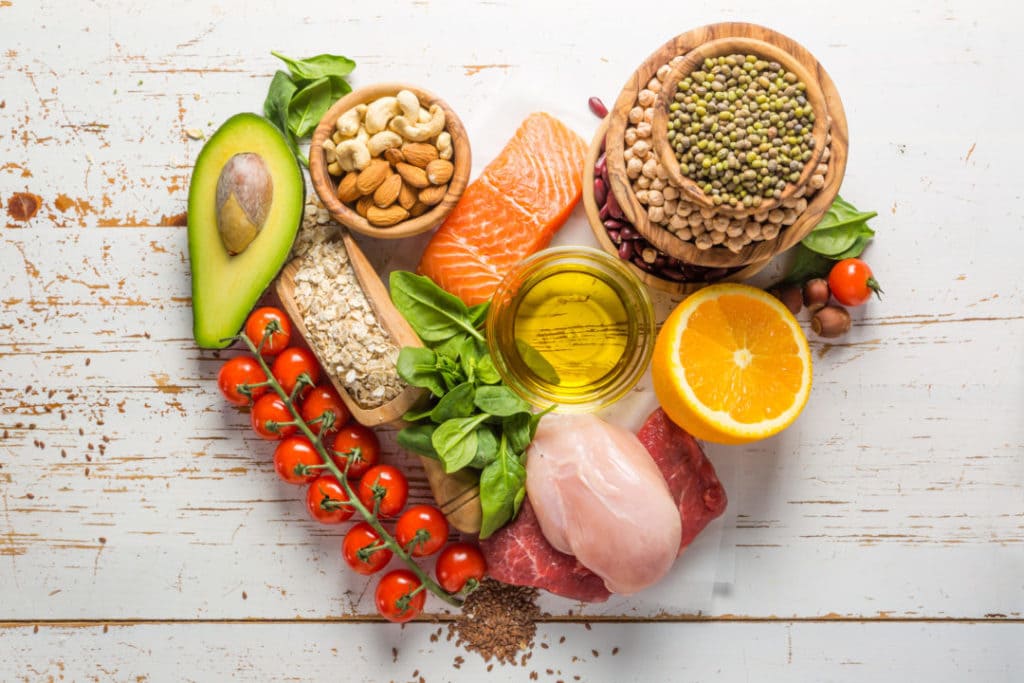
In fact, the daily salt consumption in Germany is between 8 and 10 g. Reason enough to take a close look at where salt is in it. It is usually not the salt shaker that leads to this high amount. Rather, sodium chloride is hidden in processed foods such as sausages, bread, ready meals, canned goods and cheese. For a low-salt diet, you should therefore buy low-salt foods and choose low-salt recipes. The DGE recommends paying attention to a potassium-rich diet at the same time, as this can have a blood pressure-lowering effect – alkaline recipes can be helpful here. They show you how to season without salt and how to make your food tasty with herbs and spices.
When is a low-salt diet useful?
If you often put low-salt sausage and low-salt mineral water on your diet and drink plan and cook fresh, that’s half the battle for a low-salt diet. Our products with less salt make shopping easier for you. Everyone who already suffers from cardiovascular diseases and so-called salt-sensitive people benefit from such a diet. These react more sensitively to salt.



Facebook Comments