 John Myers

Not only those who want to lose weight remove sugar from their diet, health-conscious people also want to avoid it. But that’s not so easy: You can find out from us how a diet without sugar can succeed and what happens in the body.
Positive effect: sugar-free diet
More and more people would like to live sugar-free or at least practice giving up sugar in phases: a goal that has many advantages. It has been proven beyond a doubt that low consumption can prevent obesity and thus diabetes, cardiovascular diseases, and tooth decay. However, if you don’t tend to be fat, do sports, and pay attention to an overall balanced diet, you don’t have to do without it completely. How much sugar per day is still healthy is a question of individual lifestyle. According to the German Society for Nutrition (DGE), however, the majority of Germans eat too much of it – and move too little. If you want to eat as sugar-free as possible, you should pay attention to the ingredients, especially when it comes to processed foods and drinks, and prefer natural foods without sugar.
Cook for yourself for a sugar-free diet
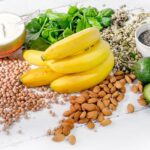
It starts with breakfast. The best thing to do is to check your favorite muesli: is sugar high on the list of ingredients? Then a lot of it is included and the manufacturer at least tries to be transparent. However, many hide this behind terms such as dextrose, sucrose, fructose, glucose, maltodextrin, malt extract or lactose. Even fructose is no better than table sugar. If you would like to start the day with a low-sugar meal, it is better to mix your muesli yourself and sweeten it a little – and with fresh fruit. Cooking fresh and healthy is also the best recipe for a sugar diet at lunchtime and in the evening. Natural foods and products without artificially added sugar include:
- meat
- Fish
- eggs
- unsweetened dairy products
- legumes
- vegetables
- fruit
- Whole grain products (rice, oatmeal, pasta, etc.)
- Pseudo-cereals (quinoa, amaranth, buckwheat)
- nuts, kernels and seeds
- vegetable oils
- tomato paste (instead of ketchup)
It should be noted that some of these foods contain carbohydrates, which the body ultimately uses as a source of energy, just like sugar, and stores excess as fat. Unlike table sugar, however, they also contain important nutrients.
Beverages are also part of the sugar-free diet plan
Eating sugar-free is one thing, and what ends up in the glass is another. Lemonades, fruit juices, sweetened tea, and coffee, but also sweet milk and plant drinks often contribute more to sugar consumption than many realize. Healthy drinks without sweetener are an essential part of a sugar-free diet. We recommend water and tea, which you can refine with flavorings such as lemon, ginger or mint. There is also coffee without sugar or soft drinks with sweeteners – the latter do not contain industrial sugar, but the extent to which artificial sweeteners are a healthy substitute is controversial.


Facebook Comments