 Emma Miller

Grilling is associated with an increased risk of cancer. Many people consider grilling to be an integral part of summer. In fact, most people report grilling at least once a month during the summer months.
Despite its popularity, you’ve probably heard that grilling is unhealthy. Unfortunately, there is some truth to the rumors.
Grilling is associated with an increased risk of cancer. That doesn’t mean you can’t enjoy this summer favorite. There are ways to reduce your risk and make your next hot-grilled meal safe, healthy, and delicious.
Carcinogen or charcoal?
Anything that promotes cancer is considered carcinogenic. Charcoal itself is not a carcinogen, but cooking with charcoal can cause cancer. There are two main reasons for this.
The first risk of using charcoal is that you cook food at very high temperatures, and the second is that cooking with charcoal produces a lot of smoke. Smoking and cooking certain types of meat at high temperatures are known to be carcinogenic.
Of course, charcoal is not the only way to cook food at high temperatures. In addition, not all foods respond equally to charcoal cooking, which means that not all types of grilling carry the same cancer risk. In fact, some types of charcoal grilling are considered very safe. However, cooking with charcoal can contain carcinogens in some foods.
Does grilling cause cancer?
No one wants to think that their favorite summer meal could lead to cancer. Unfortunately, there are a few risks you should be aware of before you fire up the grill. Frequent grilling increases the risk of cancer.
The relationship between eating red meat and cancer
Red meat is associated with numerous health risks, including an increased risk of cancer. Studies have shown that red meat is associated with an increased risk of colon and rectal cancer and may be linked to an increase in other types of cancer. Research is still being conducted to determine why red meat increases cancer risk.
Side effects of processed meat preservatives that cause cancer
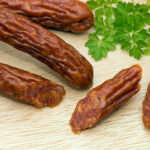
Grilling meat products such as sausages and bratwursts has been linked to cancer. A reliable source, the World Health Organization, classifies processed meat as a “Group 1” cancer carcinogen. The Group 1 designation means that a large number of reliable and verifiable studies have been conducted linking processed meat to cancer. Processed meat has been shown to increase the risk of colorectal cancer. There is some evidence that processed meat may also increase the risk of stomach cancer.
Charring creates Heterocyclic Amines (HCAs)
When you grill meat at high temperatures, you create a reliable source of heterocyclic amines (HCAs).
HCAs are known carcinogens. They are formed when high temperatures cause amino acids in meat to react with creatine in the meat. This reaction causes the black spots you see on foods and grills. This only happens when you cook muscle meat because it is the only food that contains creatine. Muscle meat includes:
- beef
- pork
- lamb
- goat
- turkey
- chicken
- fish
HCAs are also produced by other high-temperature cooking methods, such as pan-frying.
Grilling produces carcinogenic polycyclic aromatic hydrocarbons (PAHs)
When meat juices drip onto the charcoal and other hot surfaces, flames and smoke are produced. This causes the formation of polycyclic aromatic hydrocarbons (PAHs). The PAHs then stick to the meat you are grilling. PAHs are also formed when meat is smoked. They are known to alter human DNA and are considered carcinogenic.
Is gas grilling safer than charcoal grilling?
Gas grilling is considered safer than charcoal grilling. Gas cooking produces much less smoke, which reduces the formation of PAHs. Gas grills also do not get as hot, which reduces the formation of HCAs.
How to reduce carcinogens when barbecuing
You don’t have to give up grilling. By changing what you grill and how you cook it, you can reduce the dangers of grilling. This means you can cook deliciously without fear of cancer.
Reduce the amount of grilled red meat and processed meats
Both red and processed types of meat are associated with a higher risk of cancer. These risks increase when you fry them. Red meat and processed meats are rich in fat. Because of this, they drip more onto the coals, which increases the risk of PAHs. In addition, they need to be grilled for a long time to be fully cooked. Longer grilling times mean higher temperatures and more smoke, both of which are linked to cancer risk.
Cooking lean meats such as chicken, turkey, and fish reduces the risk. You can still create HCAs when you grill these meats, but the risk is not as high. You usually don’t need to leave these meats on the grill for nearly as long. This reduces the likelihood of HCA formation.
In addition, lean meat is generally healthier, making it a smart choice.
Cook more vegetables
Creatine, which creates HCA, is found only in meat, but meat is not the only thing you can throw on the grill. Grilling fruits and vegetables are safe and tasty. Vegetables do not become carcinogenic when grilled. They are also rich in vitamins, fiber, and nutrients that can reduce the risk of cancer.
So throw pineapples, tomatoes, bell peppers, mushrooms, and other fresh vegetables on the grill the next time you cook.
You can even prepare a full meal and make a kebab of vegetables, fruits, and small pieces of meat. This is a great way to prepare a colorful and healthy grilled dinner.
By cutting the meat into smaller pieces, you will reduce the time it takes to grill, potentially reducing the risk of cancer. If you want to get creative, vegetable-based alternatives to meat are also a great choice.
Grill at lower temperatures and don’t char the meat
High temperatures cause charring and burn. Grilling at lower temperatures can reduce this risk. You can use a lower flame to keep the temperature low and smoke. You can also move the coals to the side but keep the meat in the middle of the grill. This method of cooking may take longer, but if you keep the temperature low, you will reduce the formation of carcinogens.
If any pieces of meat are charred, it is better to throw them away. Charred bits contain the most HCA. Therefore, it is recommended to cut off the burnt and charred parts of the meat before serving.
Reduce cooking time
You can reduce the number of HCAs and PAHs formed and reduce the risk of cancer by shortening the time the meat is on the grill. You can do this by baking the meat or heating it in the microwave before grilling it. The grill still cooks your meat, and you retain the distinct grilled flavor.
Also, make sure you turn the meat frequently. Do not allow one side to be overcooked or charred. The National Cancer Institute recommends constantly turning or flipping meat while grilling to reduce risk.


Facebook Comments