 John Myers
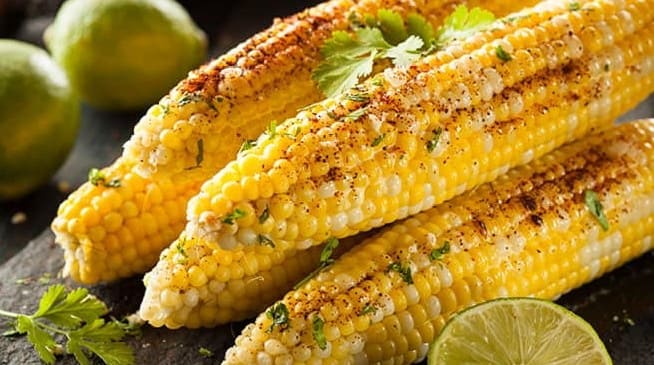
Introduction: The Nutritional Value of Corn
Corn, also known as maize, is a cereal grain that has been a staple food in many cultures for centuries. It is a versatile crop that can be used in various forms, including as a whole kernel, flour, or as a vegetable. Corn is also a highly nutritious food that provides several essential vitamins, minerals, and phytochemicals that are vital for maintaining good health.
The Health Benefits of Eating Corn
Corn is a rich source of dietary fiber, which is essential for maintaining healthy digestion and reducing the risk of digestive disorders such as constipation, hemorrhoids, and diverticulosis. It also contains several essential vitamins and minerals, including vitamin C, thiamin, and folate, which are essential for maintaining healthy skin, eyes, and immune function respectively. Additionally, corn is rich in antioxidants, including lutein and zeaxanthin, which are essential for maintaining healthy vision and reducing the risk of age-related macular degeneration.
The Role of Corn in a Balanced Diet
Corn is an excellent addition to a healthy, balanced diet. It is a low-fat, low-calorie food that provides a good source of carbohydrates, which are essential for providing energy to the body. Additionally, corn is a good source of protein and dietary fiber, which are essential for maintaining satiety and reducing the risk of overeating. Corn can be used in a variety of ways, including as a snack or as an ingredient in salads, soups, and stews.
The Nutritional Content of Corn
Corn is a rich source of several essential vitamins and minerals. A one-cup serving of cooked corn provides approximately 30% of the daily recommended intake of vitamin C, 24% of the daily recommended intake of thiamin, and 19% of the daily recommended intake of folate. Additionally, corn is a good source of dietary fiber, providing approximately 4 grams per cup.
How Corn Can Help Fight Diseases
Corn contains several health-promoting compounds, including antioxidants and phytochemicals, that can help reduce the risk of several chronic diseases. For example, the antioxidant lutein, which is found in high concentrations in corn, has been shown to reduce the risk of age-related macular degeneration. Additionally, the dietary fiber in corn can help reduce the risk of heart disease, stroke, and certain cancers.
Potential Risks of Consuming Corn
While corn is generally a healthy food, there are some potential risks associated with consuming it. For example, some people may be allergic to corn, which can cause symptoms such as hives, swelling, and difficulty breathing. Additionally, corn is often genetically modified, which has raised concerns about the potential health effects of consuming genetically modified foods.
Preparing Corn for Optimal Health Benefits
To maximize the health benefits of corn, it is important to prepare it in a healthy way. Steaming, grilling, or roasting corn is a healthy option, as it helps retain its nutritional content. Additionally, it is important to avoid adding unhealthy fats, such as butter or margarine, to corn, which can increase its calorie and fat content.
Conclusion: Incorporating Corn into a Healthy Diet
Incorporating corn into a healthy, balanced diet is a great way to boost your nutrient intake and reduce the risk of chronic diseases. Corn is a versatile, nutritious food that can be enjoyed in a variety of ways, including as a snack or as an ingredient in salads, soups, and stews. To maximize the health benefits of corn, it is important to prepare it in a healthy way and avoid adding unhealthy fats or sugars.



Facebook Comments