 John Myers
Introduction: What is spirulina?
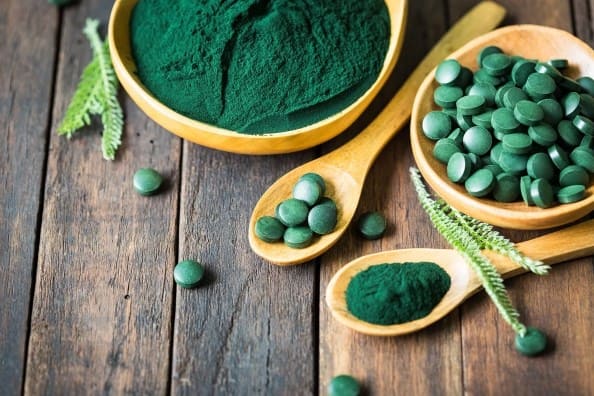
Spirulina is a type of blue-green algae that has been cultivated as a food source for centuries. It is commonly consumed in supplement form or added to smoothies, salads, and other foods. Spirulina is rich in nutrients and has a wide range of potential health benefits.
Nutritional value of spirulina
Spirulina is a nutritional powerhouse. It is an excellent source of protein, containing all of the essential amino acids that the body needs. It is also rich in vitamins and minerals, including vitamin A, vitamin K, iron, and magnesium. Additionally, spirulina contains high levels of antioxidants, which can help protect the body from damage caused by harmful molecules known as free radicals.
Spirulina’s antioxidant properties
Spirulina’s high antioxidant content is one of its most notable health benefits. Antioxidants are compounds that help protect the body’s cells from damage caused by free radicals. Free radicals can be produced by the body during normal metabolic processes or can be introduced from outside sources such as pollution and cigarette smoke. Spirulina’s antioxidant properties may help reduce the risk of chronic diseases such as cancer and heart disease.
Anti-inflammatory effects of spirulina
In addition to its antioxidant properties, spirulina also has anti-inflammatory effects. Inflammation is a natural response that the body has to injury or infection, but chronic inflammation has been linked to a variety of diseases such as arthritis, diabetes, and heart disease. Spirulina’s anti-inflammatory properties may help reduce the risk of these conditions by decreasing chronic inflammation in the body.
Immune system boosting properties of spirulina
Spirulina has been shown to have immune system-boosting properties. It contains polysaccharides and phycocyanin, which have been found to enhance the activity of white blood cells that fight off infections and viruses. This immune-boosting effect may help reduce the severity and duration of illnesses such as the common cold.
Spirulina’s potential cancer-fighting properties
Some studies have suggested that spirulina may have cancer-fighting properties. It contains compounds such as phycocyanin and chlorophyll, which have been shown to have anti-cancer effects in animal studies. Additionally, spirulina’s antioxidant and anti-inflammatory properties may also help reduce the risk of cancer.
Spirulina and cardiovascular health
Spirulina may also have benefits for cardiovascular health. Studies have shown that spirulina can help lower blood pressure and improve cholesterol levels. High blood pressure and high cholesterol are risk factors for heart disease, so incorporating spirulina into your diet may help reduce your risk of developing this condition.
Conclusion: The benefits of incorporating spirulina into your diet
Spirulina is a nutrient-dense food that has many potential health benefits. It is rich in protein, vitamins, and minerals, and has powerful antioxidant and anti-inflammatory properties. Additionally, spirulina may have immune system-boosting and cancer-fighting properties, as well as benefits for cardiovascular health. Incorporating spirulina into your diet may help improve your overall health and reduce your risk of chronic diseases.



Facebook Comments