 John Myers
Introduction: The Importance of Proper Meditation Posture
Meditation is a practice that has been around for centuries, and it has numerous benefits for the mind and body. However, one of the keys to a successful meditation practice is having the right posture. Proper meditation posture helps to ensure that you are comfortable and focused throughout your meditation session. It also helps to prevent physical discomfort and injury, which can be a distraction from your practice.
What Makes a Good Meditation Posture?
A good meditation posture is one that is steady, comfortable, and relaxed. Your posture should be stable, allowing you to sit without slouching or falling over. At the same time, it should be comfortable, so that you are not distracted by physical discomfort. It is also important to maintain a relaxed posture, as this helps to reduce tension and promote a sense of calm. Additionally, your posture should allow you to breathe easily and deeply, as this is an important aspect of meditation.
Sitting Positions for Meditation: Cross-Legged, Kneeling, and Chair
There are several different sitting positions that can be used for meditation. The most common positions include cross-legged, kneeling, and sitting on a chair. Each of these positions has its own advantages and disadvantages, and the choice of position will depend on personal preference and physical ability.
How to Sit Cross-Legged for Meditation
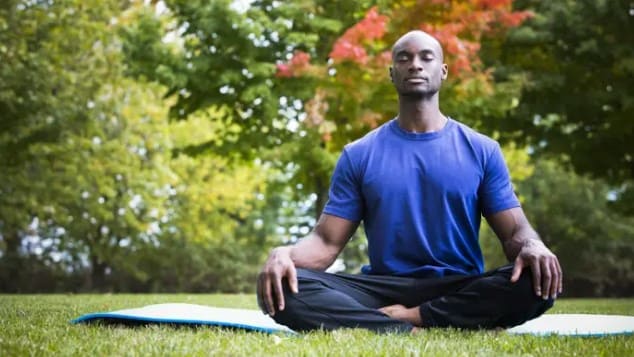
To sit cross-legged for meditation, find a comfortable spot on the floor and sit down with your legs crossed. Your knees should be touching the ground, and your back should be straight. Rest your hands on your knees or in your lap, and focus on your breathing.
How to Sit Kneeling for Meditation
To sit kneeling for meditation, kneel on the floor with your legs together and your feet pointing behind you. Place a cushion or folded blanket between your calves and sit back on your heels. Your back should be straight, and your hands can rest on your knees or in your lap.
How to Sit on a Chair for Meditation
To sit on a chair for meditation, find a sturdy chair with a straight back. Sit towards the front of the chair with your feet flat on the ground. Your knees should be at a 90-degree angle, and your back should be straight. Rest your hands on your knees or in your lap.
Common Mistakes to Avoid in Meditation Posture
One common mistake in meditation posture is slouching or leaning forward, which can cause strain on the back and neck. Another mistake is crossing your legs too tightly, which can cut off circulation and cause discomfort. It is also important to avoid tensing your muscles, as this can interfere with your breathing and relaxation.
Conclusion: The Benefits of a Steady and Comfortable Meditation Posture
In conclusion, having a steady and comfortable meditation posture is essential for a successful meditation practice. It helps to keep you focused and relaxed, and reduces the risk of physical discomfort or injury. By following these tips and avoiding common mistakes, you can improve your posture and enjoy the many benefits of meditation.



Facebook Comments