 John Myers
Introduction: Bolivia’s rich culinary heritage
Bolivian cuisine is a reflection of the country’s diverse cultural heritage, combining indigenous and European influences. The country boasts a rich culinary heritage, with unique ingredients and flavors that vary by region. Bolivia’s cuisine is characterized by its use of traditional spices and herbs, such as cumin, oregano, and chili, and the incorporation of exotic meats like llama and alpaca.
Indigenous ingredients and dishes
Bolivia’s indigenous population has a profound influence on the country’s cuisine, with many traditional dishes incorporating unique ingredients like quinoa, potatoes, corn, and chuño (freeze-dried potatoes). One of Bolivia’s most famous dishes is the salteña, a savory pastry filled with meat, potato, and vegetables, while api is a popular drink made from purple corn and spices. Other indigenous staples include chicha (a fermented beverage made from corn), papas a la huancaina (potatoes in a spicy cheese sauce), and cuy (guinea pig).
Traditional dishes in Bolivian cuisine
Bolivia has a wide range of traditional dishes, each with their unique flavors and cooking techniques. One of the most beloved is pique a lo macho, a hearty dish consisting of sliced beef sautéed in a spicy sauce with onions, tomatoes, and peppers, served with boiled potatoes and rice. Silpancho is another popular dish, made with a thin, breaded beef cutlet served with rice, potatoes, and a fried egg on top. Other traditional dishes include fricasé (a pork stew), ají de fideo (a spicy noodle dish), and sajta de pollo (a chicken stew with potatoes and carrots).
Regional specialties across Bolivia
Bolivia is a country of diverse landscapes and cultures, and each region has its unique culinary specialties. In La Paz, you’ll find stalls selling anticuchos (beef heart skewers) and charquekan (a dish made with dried meat and cheese). In Cochabamba, you’ll find chank’a de pollo (a chicken soup with potatoes and corn), while in Sucre, you can try chicharrón (deep-fried pork). The eastern region of Santa Cruz is known for its freshwater fish dishes, such as pacumutu (a fish stew with potatoes and peanuts).
Street food culture in Bolivia
Street food vendors are a common sight in Bolivia, especially in the cities. Some of the most popular street foods include salteñas, choripán (a sausage sandwich), and empanadas. You’ll also find stands selling grilled meats and seafood, along with fresh fruit juices and smoothies. Be sure to try a tucumana, a baked pastry filled with meat, potatoes, and spices, which is a popular snack in the city of Tarija.
Famous drinks and beverages in Bolivia
Bolivia has a diverse range of drinks and beverages, including both alcoholic and non-alcoholic options. Singani, a grape-based liquor, is a popular ingredient in many cocktails, while chuflay is a refreshing drink made with singani, ginger ale, and lime juice. Chicha de jora, a fermented corn beverage, is a traditional drink served in many regions of Bolivia. You can also try api, the sweet purple corn drink, or mocochinchi, a refreshing peach and cinnamon drink.
Modern twists on Bolivian cuisine
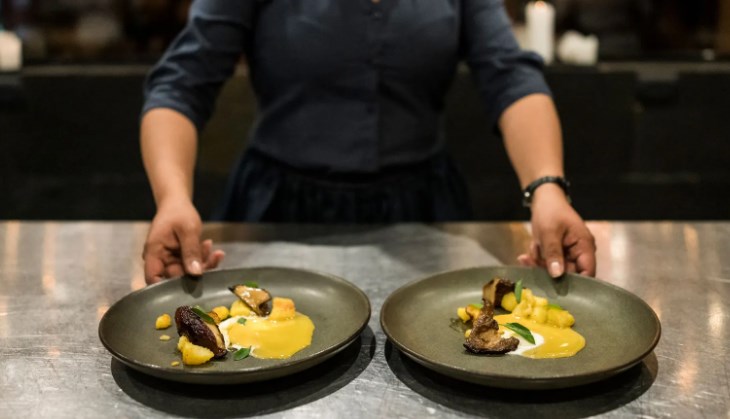
Bolivian cuisine is evolving, with many chefs putting their modern twists on traditional dishes. One of the most well-known chefs is Kamilla Seidler, who opened the restaurant Gustu in La Paz, which is known for its innovative take on Bolivian cuisine. You’ll also find fusion dishes, such as sushi made with quinoa instead of rice, and new twists on old classics, such as the vegan salteña.
Planning a culinary trip to Bolivia
If you’re planning a culinary trip to Bolivia, be sure to try a range of traditional dishes, explore the street food culture, and sample the famous drinks and beverages. Consider visiting different regions of the country to experience the unique culinary specialties. And don’t forget to try the modern twists on Bolivian cuisine, which are pushing the boundaries of traditional cooking techniques and ingredients. With its diverse culinary heritage, Bolivia is a must-visit destination for foodies looking to explore new flavors and ingredients.

Facebook Comments