 John Myers
Bolivia’s National Dish: Introduction and History
Bolivia’s National Dish, also known as Plurinational State of Bolivia, is a hearty and nutritious meal that has been an integral part of Bolivian culture for centuries. This dish is a reflection of Bolivia’s diverse cultural background, blending influences from indigenous Andean, Spanish and African cuisines. Bolivia’s National Dish is a symbol of national identity and pride, representing the country’s rich history and traditions.
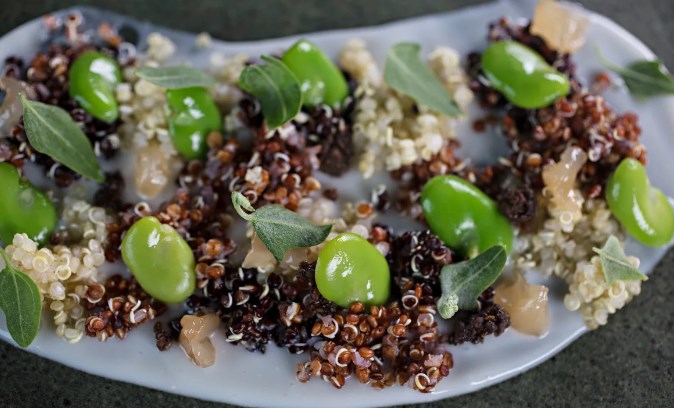
The origins of Bolivia’s National Dish can be traced back to the pre-Columbian era when the indigenous people of the Andean region relied on quinoa, potatoes, and other staple foods for survival. The dish evolved over time with the arrival of the Spanish colonizers, who introduced new ingredients such as beef, rice and wheat. Today, Bolivia’s National Dish is a fusion of these cultural influences, creating a unique and flavorful meal that has become a staple in Bolivian cuisine.
Ingredients and Preparation of Bolivia’s National Dish
Bolivia’s National Dish is a hearty and filling meal, consisting of meat, vegetables, and grains. The most common ingredients include beef or llama meat, potatoes, carrots, onions, garlic, peas, and rice. The dish is seasoned with a blend of spices, including cumin, oregano, and paprika, giving it a distinct flavor.
To prepare Bolivia’s National Dish, the meat is first seasoned and then cooked with vegetables in a large pot. The rice is cooked separately and then added to the pot along with the peas. The dish is then seasoned with spices and simmered until the vegetables are tender and the flavors have blended together. The result is a delicious and nutritious meal that is perfect for a cold winter day or anytime you need a hearty meal.



Facebook Comments