 John Myers
Introduction: The Impact of Social Media on Health
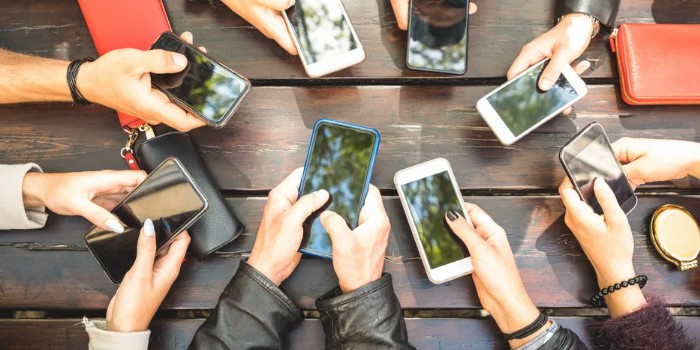
Social media has become an integral part of our lives. From connecting with friends and family to keeping up with current events, social media has expanded our reach and facilitated communication in ways that were once unimaginable. However, these benefits come at a cost. Social media use has been linked to a range of negative health effects, including anxiety, depression, and poor physical health. As such, it is important to understand the impact of social media on health and to take steps to optimize our well-being.
The Negative Effects of Excessive Social Media Use
Excessive social media use has been linked to a range of negative effects on mental and physical health. For example, studies have found that individuals who spend more time on social media report higher levels of anxiety and depression. Additionally, social media use has been linked to poor sleep quality, which in turn can affect cognitive function and physical health. Furthermore, excessive social media use can lead to a sedentary lifestyle, which is associated with a range of health problems, including obesity, heart disease, and diabetes.
How Social Media Affects Mental and Physical Health
Social media can have both positive and negative effects on mental and physical health. On the one hand, social media can provide social support and facilitate communication, which can be beneficial for mental health. On the other hand, social media can be a source of stress and anxiety, especially when individuals feel pressure to present a certain image or keep up with their peers. Additionally, social media use can be sedentary, which can contribute to poor physical health outcomes.
The Benefits of Reducing Social Media Time
Reducing social media time can have a range of benefits for mental and physical health. For example, studies have found that limiting social media use can lead to improvements in sleep quality and mental health outcomes. Additionally, reducing social media time can free up time for physical activity and other health-promoting behaviors. Furthermore, limiting social media use can help individuals to be more present in the moment and to cultivate stronger social connections in offline contexts.
Tips for Limiting Social Media Use
There are a range of strategies that individuals can use to limit social media use. For example, individuals can set specific times of day when they check social media, rather than checking it throughout the day. Additionally, individuals can use apps that track social media use and limit time spent on social media. Furthermore, individuals can make a conscious effort to engage in offline activities that they enjoy, such as reading, spending time with friends and family, or pursuing hobbies.
Strategies for Managing Social Media Addiction
For individuals who struggle with social media addiction, there are additional strategies that can be helpful. For example, individuals can seek social support from friends and family members, or they can attend support groups for individuals with social media addiction. Additionally, individuals can work with a therapist or counselor to develop coping strategies and to address underlying mental health issues that may be contributing to social media addiction.
Alternative Activities to Replace Social Media Time
There are a range of alternative activities that individuals can engage in to replace social media time. For example, individuals can engage in physical activity, such as going for a walk or doing yoga. Additionally, individuals can pursue creative hobbies, such as writing, painting, or playing music. Furthermore, individuals can engage in social activities, such as hosting a dinner party or attending a sporting event.
Conclusion: The Importance of Prioritizing Health over Social Media
Social media has become an integral part of our lives, but it is important to recognize the impact that excessive social media use can have on mental and physical health. By taking steps to limit social media use and engage in alternative activities, individuals can optimize their well-being and prioritize their health over social media.



Facebook Comments