 John Myers
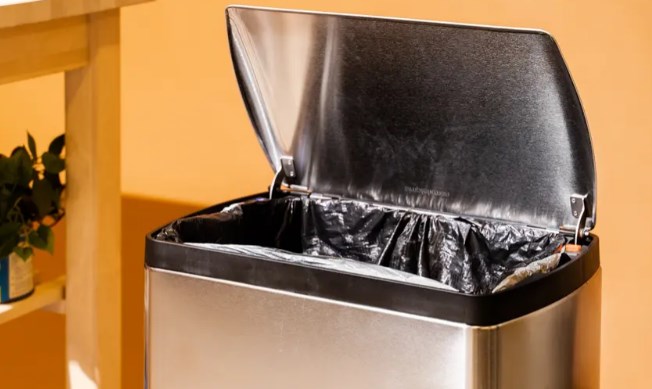
Introduction: The Filthiest Item in Your Kitchen
When it comes to keeping our homes clean, the kitchen is often the first place we focus on. However, even the most diligent of cleaners may not be aware of the filthiest item in their kitchen. It’s not the trash can or the sink, but something that might surprise you. In this article, we’ll explore the dirtiest items in your kitchen and how to keep them clean.
Bacteria Hotspots: The Countertop and Sink
The countertop and sink are two areas in the kitchen that are frequently touched and often come into contact with food. Unfortunately, they are also hotspots for bacteria. Studies have shown that the average kitchen sink contains more bacteria than the average toilet bowl. Meanwhile, the countertop, which is used to prepare food, can harbor harmful bacteria such as E.coli and Salmonella.
To keep these areas clean, it’s important to disinfect them regularly. Use a solution of water and bleach to clean your sink, and wipe down your countertop with a disinfecting spray after each use. Additionally, make sure to wash your hands before and after using the sink or countertop to prevent the spread of bacteria.
The Cutting Board: A Germ Haven
Cutting boards are another item in the kitchen that can harbor harmful bacteria, particularly if they are not cleaned properly. In fact, according to the FDA, the average cutting board can contain more bacteria than a toilet seat. This is because bacteria can get trapped in the grooves of the board, making it difficult to clean thoroughly.
To prevent the spread of bacteria, it’s important to use separate cutting boards for meat, poultry, and vegetables. Additionally, make sure to wash your cutting board with hot, soapy water after each use, and disinfect it with a solution of water and vinegar or bleach once a week. Consider using a plastic or silicone cutting board, as they are easier to clean than wooden ones.
Dish Towels and Sponges: Cleaning or Spreading Bacteria?
Dish towels and sponges are essential items in the kitchen, but they can also be breeding grounds for bacteria. Dish towels, in particular, can harbor harmful bacteria such as E.coli and Staphylococcus aureus. Meanwhile, sponges can contain up to 10 million bacteria per square inch.
To keep these items clean, it’s important to wash dish towels frequently in hot water and replace sponges every few weeks. Consider using microfiber towels, as they are less likely to harbor bacteria than cotton ones. Additionally, make sure to wring out your sponge after each use and microwave it for 30 seconds to kill any bacteria.
Appliances: From the Blender to the Toaster
Appliances such as blenders, toasters, and coffee makers are often overlooked when it comes to cleaning, but they can harbor harmful bacteria if not cleaned regularly. For example, the blender blades can trap food particles and bacteria, while the toaster can harbor mold and mildew.
To keep these appliances clean, make sure to follow the manufacturer’s instructions for cleaning. Wipe down the exterior regularly with a disinfecting spray, and clean the interior with hot, soapy water. Additionally, make sure to clean the blender blades thoroughly after each use by disassembling them and washing them separately.
The Refrigerator: A Breeding Ground for Germs
The refrigerator is another area in the kitchen that can harbor harmful bacteria. This is because food can easily spoil and contaminate other items in the fridge. Additionally, spills and leaks can create a breeding ground for bacteria.
To keep your fridge clean, make sure to clean spills and leaks immediately. Use a solution of water and vinegar to clean the interior, and wipe down shelves and drawers with a disinfecting spray. Additionally, make sure to keep your fridge at the proper temperature (below 40°F) and throw out any expired or spoiled food.
Pantry Pests: Insects and Rodents
Insects and rodents can be a problem in the kitchen, particularly if food is left out or stored improperly. Common pantry pests include ants, cockroaches, and mice.
To prevent infestations, make sure to store food in airtight containers and clean up spills and crumbs immediately. Additionally, make sure to seal any cracks or gaps in your kitchen to prevent pests from entering. Consider using natural remedies such as peppermint oil or citrus peels to repel pests.
Prevention: Tips to Keep Your Kitchen Clean and Safe
To keep your kitchen clean and safe, here are a few additional tips:
- Wash your hands frequently, particularly before and after handling food.
- Use separate cutting boards for meat, poultry, and vegetables.
- Wash dishes and utensils in hot, soapy water.
- Change dish towels and sponges frequently.
- Store food in airtight containers.
- Clean spills and messes immediately.
- Regularly clean and disinfect surfaces, appliances, and the fridge.
By following these tips and keeping your kitchen clean, you can prevent the spread of harmful bacteria and keep your family safe and healthy.



Facebook Comments