 John Myers
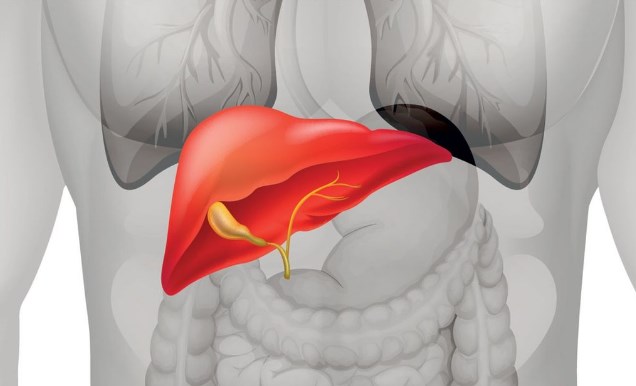
Introduction: Understanding Liver Disease
The liver is an essential organ that plays a vital role in detoxifying the body by removing harmful substances. Liver disease occurs when the liver is damaged or does not function correctly. There are numerous types of liver disease, including hepatitis, cirrhosis, liver cancer, and non-alcoholic fatty liver disease. Liver disease can impact people of all ages and backgrounds, and it is one of the most significant health problems globally.
Risk Factors for Liver Disease
Several risk factors can increase the likelihood of developing liver disease. These include excessive alcohol consumption, obesity, diabetes, and a family history of liver disease. In addition, certain medical conditions, such as hepatitis B and C, can damage the liver, leading to liver disease. Exposure to toxic substances, such as certain chemicals or drugs, can also cause liver damage and contribute to the onset of liver disease.
Demographic Factors and Liver Disease
Research has shown that certain demographic factors may increase an individual’s risk of developing liver disease. These factors include ethnicity, age, and gender. While liver disease can affect anyone, certain groups are at a higher risk than others.
High-Risk Ethnic Groups for Liver Disease
Some ethnic groups are at increased risk for liver disease. For example, people of Asian descent, particularly those from Southeast Asia, have a higher incidence of chronic hepatitis B, which can lead to liver disease. African Americans and Hispanics are also more likely to develop liver disease, often due to a higher prevalence of obesity and diabetes in these populations.
Age and Gender as Risk Factors for Liver Disease
Age and gender are also significant risk factors for liver disease. Men are more likely than women to develop liver disease, and the risk increases with age. In addition, older adults are more likely to develop liver disease due to the cumulative effects of alcohol consumption or exposure to other toxins over time.
Lifestyle Factors and Liver Disease
Several lifestyle factors can increase the risk of developing liver disease. These include excessive alcohol consumption, poor nutrition, and lack of physical activity. Obesity is also a risk factor for liver disease, particularly non-alcoholic fatty liver disease.
Identifying At-Risk Populations for Liver Disease
Identifying at-risk populations for liver disease is essential to prevent and treat the condition effectively. Screening programs can help identify people with risk factors for liver disease, such as those with a family history of the disease or those who have been exposed to toxins. Public health campaigns can also raise awareness about the risk factors for liver disease and encourage healthy lifestyles.
Conclusion: The Importance of Early Detection and Prevention
Liver disease is a significant health problem that affects millions of people worldwide. Identifying at-risk populations is crucial for early detection and prevention of the disease. By addressing risk factors such as alcohol consumption, obesity, and viral hepatitis, we can reduce the incidence of liver disease and improve the health of individuals and communities. It is essential to seek medical attention if you suspect you may have liver disease or if you have risk factors for the condition. Early detection and treatment can improve outcomes and prevent the progression of liver disease.



Facebook Comments