 John Myers

Brazilian Cuisine: An Overview
Brazilian cuisine is a reflection of the country’s diverse history and culture. The cuisine is a blend of indigenous, African, and European ingredients and cooking techniques that have evolved over time. The country’s vast size and regional differences also contribute to its diverse cuisine.
The Cultural Diversity of Brazilian Cuisine
Brazil is a melting pot of cultures, and its cuisine reflects this cultural diversity. The country’s indigenous peoples have influenced the cuisine with ingredients like cassava, corn, and beans. The African influence is seen in dishes like Acarajé, which is made from black-eyed peas and palm oil. The European influence is evident in dishes like Feijoada, a stew made from black beans and pork.
The Influence of Indigenous Ingredients
Indigenous ingredients play a significant role in Brazilian cuisine. Some of the most common indigenous ingredients include cassava, corn, and beans. Cassava is a root vegetable that is used to make flour, tapioca, and farofa (a type of toasted flour). Corn is used to make dishes like canjica (a sweet porridge) and pamonha (a type of tamale). Beans are a staple in Brazilian cuisine and are used to make dishes like Feijoada.
The African and European Influences in Brazilian Cuisine
The African influence in Brazilian cuisine is seen in dishes like Acarajé, Vatapá, and Moqueca. These dishes are made with ingredients like black-eyed peas, palm oil, and seafood. The European influence is evident in dishes like Feijoada, which is made with black beans and pork. Other European influences in Brazilian cuisine include the use of olive oil, garlic, and wine.
The Regional Variations of Brazilian Cuisine
Brazil is a large country with diverse regional cuisines. The cuisine in the North is heavily influenced by indigenous ingredients, while the cuisine in the South has more European influences. The cuisine in the Northeast is heavily influenced by African ingredients, and the cuisine in the Southeast is a blend of all the different regional cuisines.
The Role of Cattle in Brazilian Cuisine
Brazil is one of the largest producers of beef in the world, and cattle play a significant role in Brazilian cuisine. Churrasco is a popular Brazilian barbecue that features different cuts of beef cooked over an open flame. Other popular beef dishes in Brazil include Feijoada and Carne Seca (dried beef).
The Famous Brazilian Churrasco
Churrasco is a popular Brazilian barbecue that features different cuts of meat cooked over an open flame. The meat is seasoned with salt and sometimes garlic, and it is cooked until it is tender and juicy. Churrasco is typically served with farofa (toasted flour), rice, beans, and a variety of side dishes.
Popular Brazilian Dishes
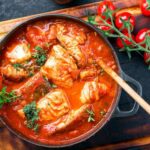
Feijoada is perhaps the most famous Brazilian dish. It is a stew made from black beans and pork, and it is typically served with rice, farofa, and orange slices. Other popular Brazilian dishes include Moqueca (a seafood stew), Vatapá (a spicy seafood and peanut stew), and Pão de Queijo (cheese bread).
Brazilian Street Food
Street food is a big part of Brazilian cuisine, and there are countless options to choose from. Some popular street foods include Coxinha (a fried dough ball filled with chicken), Pastel (a pastry filled with meat or cheese), and Esfiha (a type of stuffed pastry).
Brazilian Desserts and Beverages
Brazil is known for its sweet desserts and refreshing beverages. Brigadeiro is a popular sweet made from condensed milk and cocoa powder, and it is typically rolled in chocolate sprinkles. Other popular Brazilian desserts include Quindim (a coconut custard) and Pudim de Leite (a caramel custard). Popular Brazilian beverages include Caipirinha (a cocktail made with cachaça, lime, and sugar) and Guarana (a carbonated soft drink made from the guarana fruit).


Facebook Comments