 John Myers
Introduction to Brazilian cuisine
Brazilian cuisine is a reflection of the country’s diverse cultural heritage and abundant natural resources. The food is a blend of indigenous, African, Portuguese, and Italian influences, which makes it a unique gastronomy. Brazil is a vast country with a wide variety of regional dishes that vary from state to state. However, there are some typical ingredients and cooking techniques that are common throughout the country.
A melting pot of flavors
Brazilian cuisine is renowned for its bold, rich, and spicy flavors. The food is a mix of sweet, salty, and savory, and often contains a combination of ingredients that may seem unusual to foreigners. Brazilian cuisine is a melting pot of flavors that is influenced by the country’s diverse cultural heritage.
The regional differences in Brazilian cuisine are significant, with each region having its own specialties. For example, the northeastern region is known for its seafood dishes, while the southern region is famous for its barbecue. However, the most common flavors in Brazilian cuisine are tropical fruits, beans, rice, and meats.
Essential ingredients in Brazilian cuisine
There are some essential ingredients in Brazilian cuisine that are used in most dishes, such as beans, rice, cassava, coconut, and palm oil. Beans are a staple in Brazilian cuisine and are used in many dishes, such as feijoada, a traditional stew made with black beans and various cuts of meat.
Cassava is a root vegetable that is used in many forms in Brazilian cuisine, such as as a flour to make farofa, a side dish made with toasted cassava flour. Coconut milk is used in many seafood dishes, and palm oil is used to make a variety of dishes, including moqueca, a Brazilian seafood stew.
Meats: the heart of Brazilian cuisine
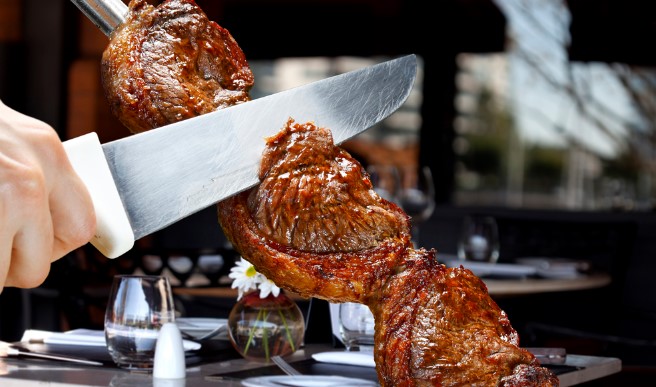
Meat is an essential part of Brazilian cuisine, and the country is famous for its barbecue. The most popular meats in Brazil are beef, pork, and chicken. The meat is usually grilled over an open flame and served with rice, beans, and farofa.
Another famous meat dish in Brazil is churrasco, which is a Brazilian-style barbecue that features different cuts of meats, such as picanha (top sirloin), sausage, and chicken. Churrasco is typically served with chimichurri sauce, which is made with parsley, garlic, and vinegar.
Beans, rice, and farofa: Brazilian staples
Beans, rice, and farofa are staples in Brazilian cuisine and are found in almost every meal. The beans are usually cooked with meat and served with rice and farofa. Farofa is a side dish made with toasted cassava flour and is used to add texture and flavor to meals.
Seafood in Brazilian cuisine
Brazil is a coastal country, and seafood is a significant part of its cuisine. The most famous seafood dish in Brazil is moqueca, a stew made with fish, coconut milk, and palm oil. Other popular seafood dishes include shrimp bobo, a dish made with shrimp, cassava, and coconut milk, and acarajé, a fried bean cake stuffed with shrimp.
Exotic fruits in Brazilian cuisine
Brazil is known for its exotic fruits, such as açaí, guarana, and cupuaçu. Açaí is a superfood that is commonly consumed in smoothie bowls, while guarana is a caffeine-rich fruit that is used to make energy drinks. Cupuaçu is a fruit that is similar to chocolate and is used in desserts.
Sweet treats: Brazilian desserts
Brazilian desserts are a delightful mix of European and African influences. The most famous dessert in Brazil is brigadeiro, a chocolate truffle made with condensed milk, cocoa powder, and butter. Other popular desserts include beijinho, a coconut truffle, and pudim de leite, a creamy caramel flan.
Famous Brazilian dishes to try
If you are visiting Brazil, there are some typical dishes that you must try. Feijoada is a traditional stew made with black beans and various cuts of meat. Churrasco is a Brazilian-style barbecue that features different cuts of meats, such as picanha and sausage. Moqueca is a seafood stew that is made with fish, coconut milk, and palm oil.
Conclusion: embracing the flavors of Brazil
Brazilian cuisine is a reflection of the country’s diverse cultural heritage and abundant natural resources. The food is a blend of indigenous, African, Portuguese, and Italian influences, which makes it a unique gastronomy. Brazilian cuisine is renowned for its bold, rich, and spicy flavors, and there are many dishes that you must try. By embracing the flavors of Brazil, you will discover a world of delicious and exotic dishes that will tantalize your taste buds.


Facebook Comments