 John Myers
Introduction: The Essence of Brazilian Cuisine
Brazilian cuisine is a delectable mix of flavors and cultures, influenced by native, African, and European traditions. It’s a cuisine that is all about simplicity and big flavors, with dishes that are hearty, healthy, and inviting. Brazilian cuisine is a reflection of the country’s diverse heritage and geography, with dishes that are as diverse as the people who make them.
There is no better way to experience Brazilian culture than through its food. From savory meat dishes to sweet and indulgent desserts, Brazilian cuisine is a feast for the senses. In this article, we will explore the rich culinary landscape of Brazil, uncovering the staples, must-try regional dishes, and tips for cooking authentic Brazilian cuisine at home.
A Land of Diversity: The Culinary Influences in Brazil
Brazilian cuisine is a mesmerizing mix of flavors and influences from other cultures. The indigenous people of Brazil were the first to create the base of the cuisine, and the Portuguese, who colonized the country, introduced new ingredients and cooking techniques. Over time, Brazilian cuisine has been influenced by African, Italian, Spanish, and Japanese cultures, among others.
In the North, the cuisine is heavily influenced by the Amazon and the indigenous people who live there. The South has a more European influence, with a lot of Italian and German dishes. The coastal regions have a lot of seafood in their cuisine, while the interior has a more meat-centric diet. Brazilian cuisine is all about mixing and matching, and the result is a delicious and diverse plate that will satisfy any craving.
The Staples: The Most Common Ingredients in Brazilian Food
Brazilian cuisine relies heavily on fresh ingredients, including meat, vegetables, and fruit. Rice and beans are the staple food of Brazil, and they are often eaten together as a dish known as “feijão com arroz.” The cuisine also features a lot of cassava, a root vegetable that is used to make flour, chips, and bread.
Other common ingredients in Brazilian cuisine include beef, pork, chicken, fish, coconut, and corn. The cuisine is also rich in spices, including cumin, coriander, garlic, and chili pepper. The use of herbs like cilantro, parsley, and bay leaves is also prevalent in many Brazilian dishes.
Meatlover’s Paradise: The Best Brazilian Meat Dishes to Try
Brazil is known for its love of meat dishes, and there’s no shortage of delicious options. One of the most popular dishes is churrasco, which is a barbecue-style meal featuring various cuts of meat, including beef, pork, sausage, and chicken. Another popular dish is feijoada, a stew made with black beans and various cuts of pork.
Other meat dishes to try include carne seca, a traditional beef jerky dish, and coxinha, a deep-fried, teardrop-shaped pastry filled with chicken. Brazil is also known for its street food, including pão de queijo, a cheesy bread roll, and espetinho, a skewer of meat and vegetables.
Vegetarian Options: Delicious Plant-Based Brazilian Recipes
While Brazilian cuisine is heavily meat-based, there are plenty of delicious vegetarian options to try. Moqueca is a hearty vegetable stew made with coconut milk, palm oil, and vegetables like squash, okra, and eggplant. Pão de queijo can also be made with vegetarian-friendly ingredients, and there’s always feijão com arroz, the classic rice and beans dish.
Another popular vegetarian dish is acarajé, a deep-fried fritter made with black-eyed peas and spices. It’s traditionally served with a spicy tomato sauce and shrimp, but it can also be served with a vegetarian filling like tofu or vegetables.
Snack Time: Popular Brazilian Appetizers and Street Food
Brazilian cuisine is not just about meals, but also about snacks and street food. One of the most popular snacks is pastel, a deep-fried crispy pastry that can be filled with meat, cheese, or vegetables. Coxinha, mentioned earlier, is another popular snack item, as is the Brazilian-style empanada, known as empada.
Other popular street food items include the Brazilian hot dog, which is topped with a variety of ingredients like potato chips, corn, and cheese, and the bauru sandwich, which features roast beef, cheese, and tomato on a French roll.
Satisfy Your Sweet Tooth: Famous Brazilian Desserts
Brazilian cuisine is famous for its sweet treats, and there’s no shortage of indulgent desserts to satisfy your sweet tooth. Brigadeiro is a popular chocolate truffle made with condensed milk, cocoa powder, and butter. Beijinho, which means little kiss, is a coconut truffle that is similar to brigadeiro.
Another famous Brazilian dessert is pudim de leite, a creamy caramel flan made with condensed milk, eggs, and sugar. Quindim is another popular dessert, made with egg yolks, sugar, and coconut. It’s a sweet and decadent treat that’s perfect for special occasions.
Regional Delicacies: Must-Try Dishes from Different Brazilian States
Brazil is a massive country, and each region has its own unique culinary traditions. In the Northeast, try bobó de camarão, a creamy shrimp stew made with coconut milk, cassava, and spices. In the Central-West region, try pamonha, a sweet and savory dish made with fresh corn and cheese.
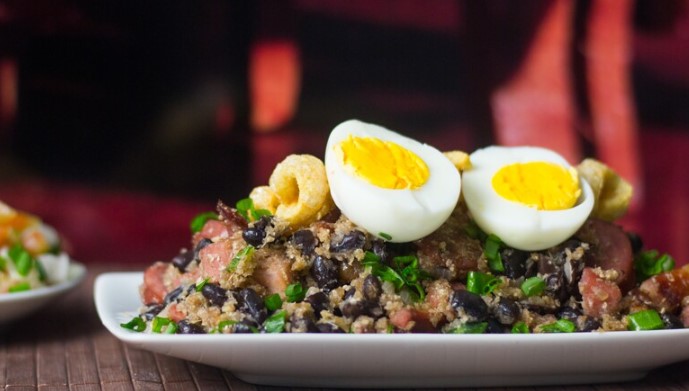
In the South, try the famous churrasco barbecue, or the German-inspired dish, kassler, which is smoked pork loin served with sauerkraut and potatoes. In the Southeast, try the popular dish, tutu de feijão, which is a stew made with black beans and sausage.
Feasting Together: Brazilian Family and Festive Meals
Brazilian cuisine is all about sharing, and family and festive meals are an essential part of the culture. At these gatherings, expect a lot of meat dishes, side dishes, and desserts. The meal is often accompanied by caipirinhas, a refreshing cocktail made with cachaça, sugar, and lime.
Family and festive meals are a time for celebration, and the food is an important part of the experience. It’s a time to connect with loved ones, share stories, and enjoy the delicious flavors of Brazilian cuisine.
Cooking Authentic Brazilian Dishes: Tips and Tricks
To cook authentic Brazilian dishes, it’s important to start with fresh ingredients and to pay attention to the flavors and textures of the dish. Don’t be afraid to experiment with spices and herbs, and try to recreate the flavors of Brazil in your own kitchen.
Some essential Brazilian ingredients to have in your pantry include cassava flour, coconut milk, and dendê oil, which is a type of palm oil used in many traditional dishes. If you’re cooking meat, marinating it beforehand can help to tenderize the meat and infuse it with flavor.
In summary, Brazilian cuisine is a diverse and delicious mix of flavors and cultures. From the meat-centric dishes of churrasco and feijoada to vegetarian options like moqueca and acarajé, there’s something for everyone to enjoy. The cuisine is all about sharing and celebrating, and it’s a reflection of the country’s rich history and geography. With these tips and tricks, you too can cook authentic Brazilian dishes and experience the flavors of Brazil in your own kitchen.


Facebook Comments