 John Myers
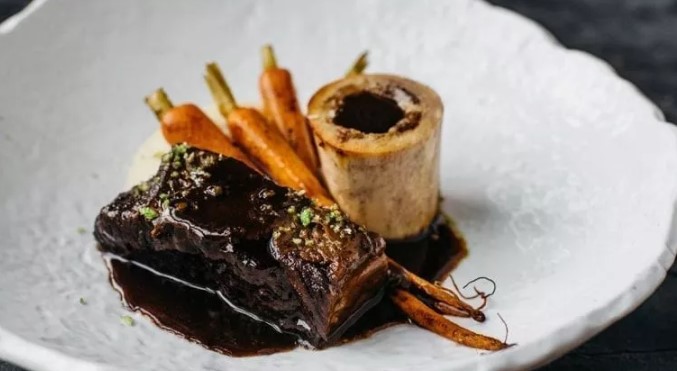
Introduction: A Tantalizing Journey Through Australia’s Culinary Heritage
Australia’s culinary heritage is a fascinating blend of Indigenous, European, and migrant cultures that have been evolving for centuries. This unique combination of flavors, ingredients, and techniques has resulted in a diverse and vibrant cuisine that reflects the country’s diverse population and rich history. From Aboriginal bush tucker to modern Australian gourmet, the food scene in Australia is a tantalizing journey for any food enthusiast.
Exploring the culinary heritage of Australia is not just about trying different dishes, but also discovering the stories and traditions behind them. The food culture of the country is deeply rooted in the land, the people, and the history, making it a fascinating subject to explore for anyone interested in food, culture, and history.
Aboriginal Cuisine: Preserving Traditional Flavors
Aboriginal cuisine is an essential part of Australia’s culinary heritage, and it reflects the indigenous people’s deep connection to the land and their traditional ways of life. The Aboriginal people have been living in Australia for over 60,000 years, and their cuisine is based on the seasonal availability of local ingredients, such as kangaroo, emu, fish, yams, and fruits.
Aboriginal cuisine is all about preserving the traditional flavors and techniques that have been passed down from generation to generation. Many Aboriginal communities have started showcasing their traditional cuisine in restaurants and cafes, providing an opportunity for visitors to taste and experience the rich culture and history of Indigenous Australia.
The Influence of British Cuisine on Australian Cooking
British colonization in the late 18th century had a significant influence on the Australian food scene, and it introduced many new ingredients and cooking techniques to the country. The British brought with them staples such as meat, potatoes, and bread, and they also introduced baking and roasting methods.
British influence can still be seen in many Australian dishes, such as meat pies, fish and chips, and Sunday roasts. However, over time, Australian cuisine has evolved to incorporate flavors and ingredients from other cultures, resulting in a unique blend of British and multicultural influences.
The Migrant Experience: A Fusion of Flavors
Australia’s rich migrant history has played a significant role in shaping the country’s food culture. The arrival of migrants from different parts of the world has introduced new ingredients, flavors, and cooking techniques to the country, resulting in a fusion of flavors that is uniquely Australian.
The migrant experience has contributed to the diversity of Australia’s food scene, with dishes from different cultures, such as Chinese, Italian, Lebanese, and Greek, becoming part of the mainstream cuisine. Many Australian chefs have also drawn inspiration from their migrant heritage, creating fusion dishes that combine different cultural elements.
The Rise of Modern Australian Cuisine
The rise of modern Australian cuisine is a relatively recent phenomenon, with many chefs and restaurants embracing the country’s unique food culture and experimenting with new ingredients and techniques. Modern Australian cuisine is all about celebrating the country’s diverse culinary heritage while also pushing the boundaries of traditional dishes.
Modern Australian cuisine incorporates a range of flavors and ingredients from different cultures, such as native Australian ingredients, Asian spices, and European techniques. It is characterized by its use of fresh, local produce, and its emphasis on bold flavors and innovative presentations.
From Bush Tucker to Gourmet Delights: A Culinary Evolution
Australia’s culinary evolution can be traced back to the traditional Aboriginal bush tucker, which was based on the seasonal availability of local ingredients. Over time, British colonization introduced new ingredients and cooking techniques, and the arrival of migrants from different parts of the world has contributed to the fusion of flavors that is uniquely Australian.
Today, Australia’s food scene is a fascinating blend of traditional and modern dishes, with a range of gourmet delights that showcase the country’s diverse culinary heritage. From street food to fine dining, Australia’s food culture is a reflection of its history, people, and land.
Iconic Australian Dishes to Try
Australia has a range of iconic dishes that are a must-try for any food enthusiast. These include meat pies, fish and chips, pavlova, lamingtons, and Vegemite. Many of these dishes have British origins but have been adapted to the Australian palate over time, resulting in uniquely Australian versions.
Other iconic Australian dishes include damper, a traditional bush bread, and kangaroo steak, which has become a popular meat in recent years. Seafood is also a significant part of Australian cuisine, with barramundi, prawns, and oysters being popular choices.
The Best Places to Experience Australian Cuisine
Australia has a diverse range of restaurants and cafes that offer a taste of its unique culinary heritage. From fine dining to street food, there is something for everyone in Australia’s food scene. Some of the best places to experience Australian cuisine include Sydney’s Fish Market, Melbourne’s café culture, and Adelaide’s Central Market.
For those looking to explore the Aboriginal cuisine, there are many Indigenous-owned restaurants that offer traditional bush tucker dishes. The Northern Territory and Western Australia are also great places to experience the flavors of the Outback, with many tours and experiences available.
Wine and Spirits: Australia’s Liquid Legacy
Australia is also known for its wine and spirits, with a range of world-class drinks that have gained global recognition. The country is home to over 60 wine regions, with Shiraz and Chardonnay being the most popular varieties. Australian wine is known for its bold flavors and high-quality, making it a favorite among wine enthusiasts.
The country is also home to a range of spirits, such as Bundaberg rum, which has become an iconic Australian drink. Craft beer has also gained popularity in recent years, with many microbreweries and craft beer bars popping up across the country.
A Look Ahead: The Future of Australian Cuisine
The future of Australian cuisine is all about sustainability, innovation, and cultural diversity. Many chefs and restaurants are focusing on using local, seasonal produce and reducing food waste. The use of native Australian ingredients is also gaining popularity, with many chefs looking to incorporate these unique flavors into their dishes.
The fusion of different cultures and flavors is also set to continue, with the country’s rich migrant history providing an endless source of inspiration for Australian cuisine. The rise of plant-based diets and alternative protein sources is also set to shape the future of Australian cuisine, with many chefs experimenting with vegan and vegetarian dishes.



Facebook Comments