 John Myers
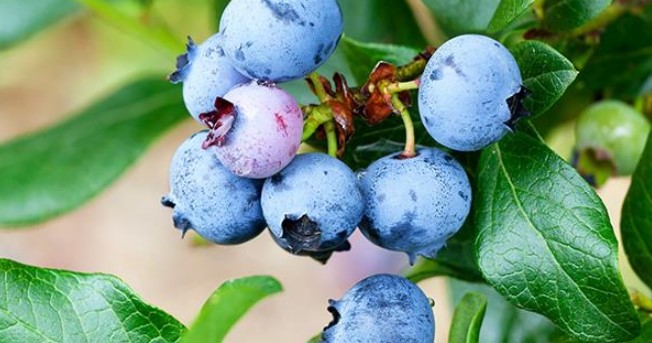
Introduction: Cultivating Blueberries in Melbourne
Blueberries are delicious, healthy, and fun to grow. They are also surprisingly easy to cultivate in Melbourne, despite the city’s variable weather and soil conditions. With a bit of planning and care, you can harvest your own fresh blueberries throughout the summer and fall, and enjoy them in pies, smoothies, jams, and more.
In this article, we’ll share some tips and techniques for cultivating blueberries in Melbourne. We’ll cover everything from choosing the right varieties for your garden to pruning, pest control, and harvesting. Whether you’re a beginner gardener or an experienced fruit grower, you’re sure to find some useful information here.
Choosing the Right Blueberry Variety for Your Melbourne Garden
Not all blueberry varieties are equally suited to Melbourne’s climate and soil. Some are more frost-tolerant than others, while others have higher heat requirements. Some prefer more acidic soil, while others can tolerate a wider pH range.
Some of the best blueberry varieties for Melbourne include Bluecrop, Brigitta, Northland, and Rancocas. Bluecrop is a popular choice for its high yield, large fruit size, and mid-season ripening. Brigitta is known for its easy maintenance and disease resistance, as well as its sweet, juicy berries. Northland and Rancocas are good choices for cooler climates, as they are hardy and can produce well in partial shade.
Site Selection: Factors to Consider for Blueberry Plants
Blueberry plants prefer a sunny location with good air circulation and well-drained soil. They do best in slightly acidic soil with a pH between 4.5 and 5.5, but can tolerate a pH up to 6.5 with proper amendments. Avoid planting blueberries in low-lying areas or areas that tend to stay wet, as this can lead to root rot and other diseases.
When selecting a site for your blueberry plants, consider factors such as slope, exposure, soil type, and existing vegetation. Blueberries grow best on a slope with a southern or eastern exposure, as this provides good drainage and ample sunlight. They prefer sandy or loamy soil with good organic matter and a high water-holding capacity. Avoid planting them near other fruit trees or plants that may compete for nutrients or water.
Soil Preparation for Blueberry Plants in Melbourne
Before planting your blueberry bushes, it’s important to prepare the soil properly. This involves testing the soil pH and making any necessary adjustments, as well as adding organic matter and nutrients to support healthy growth.
To lower the pH of your soil, you can add elemental sulfur, aluminum sulfate, or acidic organic matter such as peat moss, pine needles, or coffee grounds. To raise the pH, you can add lime or wood ash. Be sure to follow the instructions carefully and avoid over-application, as this can harm the plants.
To add organic matter to your soil, you can use compost, well-rotted manure, or leaf mold. These materials will help improve soil structure, water-holding capacity, and nutrient availability. Be sure to mix them thoroughly into the top 6-8 inches of soil before planting.
Planting Blueberries: Tips for Optimal Growth
Blueberries should be planted in the spring, after the last frost date. The planting hole should be larger than the root ball, and the soil should be loose and well-drained. Water the plant well before and after planting, and mulch around the base to conserve moisture and suppress weeds.
Blueberries should be spaced 4-6 feet apart, depending on the variety and expected size of the plant. They should be planted at the same depth that they were growing in their container, and should be supported with a stake or trellis if they are expected to grow tall.
Watering and Fertilizing Blueberries in Melbourne
Blueberries require consistent moisture throughout the growing season, but can be sensitive to overwatering or waterlogged conditions. They should be watered deeply once or twice a week, depending on weather conditions and soil type. Mulching around the base of the plant can help conserve moisture and reduce watering needs.
Blueberries also require regular fertilization to support healthy growth and fruit production. They should be fertilized in early spring, after the last frost date, and again in early summer. Use a fertilizer specifically formulated for acid-loving plants, and follow the instructions carefully to avoid over-fertilization.
Blueberry Pruning: Techniques for Healthy and Productive Plants
Blueberries require minimal pruning in their first few years of growth, but benefit from regular maintenance pruning thereafter. Remove any dead or diseased branches, as well as any branches that are rubbing against each other or growing in the wrong direction.
In late winter or early spring, prune back any branches that are more than four years old, as these are less productive and can lead to overcrowding. Thin out any branches that are growing too close together or crossing over one another, and remove any weak or spindly shoots.
Pest and Disease Management for Blueberry Plants in Melbourne
Blueberries can be susceptible to a variety of pests and diseases, including birds, aphids, mites, and fungal infections. To protect your plants, cover them with bird netting during the fruiting season, and spray them with insecticidal soap or neem oil to control pests.
To prevent fungal infections, avoid overhead watering and ensure good air circulation around the plants. Prune out any infected branches or leaves, and dispose of them in the trash rather than the compost pile.
Harvesting Blueberries: When and How to Pick Your Berries
Blueberries are ripe and ready to harvest when they are dark blue and firm to the touch. They should come off the plant easily when gently tugged, and should have a sweet, juicy flavor.
Harvest your blueberries in the morning or evening, when they are cool and less likely to be damaged. Use a gentle touch and avoid squeezing or crushing the berries. Store them in the refrigerator to prolong their shelf life.
Conclusion: Enjoying the Fruits of Your Blueberry Garden in Melbourne
Cultivating blueberries in Melbourne can be a rewarding and delicious experience. By selecting the right varieties, preparing the soil properly, and following good planting, watering, and fertilizing practices, you can enjoy a bountiful harvest of fresh, juicy berries all summer long. With a bit of care and attention, your blueberry garden is sure to thrive for years to come.


Facebook Comments