 John Myers

Introduction: Indian Cuisine’s Diverse Flavor Profile
Indian cuisine is known for its diverse and complex flavor profile, making it one of the most popular cuisines worldwide. The cuisine is a reflection of the country’s rich cultural heritage and history, and it varies widely across different regions of the country. Indian cuisine is a blend of different spices, herbs, vegetables, fruits, and grains that come together to create a unique and delicious taste.
The cuisine’s diversity is evident in the wide range of vegetarian and non-vegetarian dishes, desserts, bread, and beverages that are available. Indian cuisine is not only about the taste but also about the textures, colors, and aromas that are a part of it. The cuisine is a celebration of flavor and a culinary journey that one must embark on to appreciate its richness fully.
The Many Regional Cuisines of India
India is a vast country with a diverse population, and this is reflected in its cuisine. The country has many regional cuisines that offer a unique culinary experience. Some of the popular regional cuisines include North Indian, South Indian, East Indian, and West Indian.
North Indian cuisine is known for its use of dairy products, wheat, and meat. South Indian cuisine, on the other hand, is characterized by the use of rice, lentils, and coconut. East Indian cuisine is known for its fish dishes, while West Indian cuisine is influenced by Portuguese and African cuisines. Each regional cuisine has its own unique dishes and cooking techniques that are a reflection of the local culture.
Spice It Up: The Importance of Spices in Indian Cooking
Spices are an essential part of Indian cuisine and are used in almost every dish. The spices used in Indian cooking are known for their anti-inflammatory, antioxidant, and anti-microbial properties. Some of the commonly used spices include turmeric, cumin, coriander, cardamom, cinnamon, and cloves.
The use of spices in Indian cuisine is not just for flavor but also for medicinal purposes. For example, turmeric is known for its anti-inflammatory properties, while ginger is known for its digestive properties. The art of using spices in Indian cuisine requires skill and knowledge, and it is a key factor in creating the perfect balance of flavors in a dish.
Vegetarianism in Indian Cuisine: Delicious and Nourishing Options
Vegetarianism is a way of life for many Indians, and this is reflected in the cuisine. Indian vegetarian dishes are not only delicious but also highly nutritious. The cuisine utilizes a wide range of vegetables, legumes, and grains to create flavorful dishes.
Some of the popular vegetarian dishes include dal (a lentil-based curry), chana masala (chickpea curry), and aloo gobi (potato and cauliflower curry). Indian cuisine also offers a wide range of vegetarian snacks, such as samosas and pakoras, that are perfect for a quick bite.
Meat and Seafood in Indian Cuisine: Aromatic and Flavorful
Meat and seafood are also an important part of Indian cuisine, and they are used in a wide range of dishes. The cuisine offers a variety of meat and seafood options, including chicken, lamb, fish, and prawns.
Some of the popular meat and seafood dishes include butter chicken (a creamy chicken curry), rogan josh (a lamb curry), and fish curry. The use of spices in meat and seafood dishes creates an aromatic and flavorful experience that is unique to Indian cuisine.
Bread and Rice: Staple Accompaniments to Indian Dishes
Bread and rice are a staple accompaniment to Indian dishes. Indian bread, such as naan, roti, and paratha, are made from wheat flour and are cooked in a tandoor (a clay oven). Rice is also a staple in Indian cuisine and is served in various forms, including steamed rice, biryani, and pulao.
Indian bread and rice are not only a part of the meal but also play a role in the cooking process. For example, rice is used to create different types of biryanis, while bread is used to scoop up curries and gravies.
Sweet Endings: Desserts in Indian Cuisine
Indian desserts are a reflection of the country’s diverse culture and history. The cuisine offers a wide range of desserts, including milk-based sweets, such as rasgulla and gulab jamun, and rice-based sweets, such as kheer and payasam.
Indian desserts are known for their use of spices, such as cardamom and saffron, and their rich and creamy texture. Desserts are typically served at the end of a meal or during special occasions, such as festivals and weddings.
Hydration and Digestion: Beverages in Indian Cuisine
Beverages are an essential part of Indian cuisine and play a role in hydration and digestion. Some of the popular Indian beverages include chai (spiced tea), lassi (a yogurt-based drink), and nimbu pani (lemonade).
Indian beverages are not only refreshing but also offer health benefits. For example, chai is known to improve digestion, while lassi is known to aid in the absorption of nutrients.
From Street Food to Fine Dining: Indian Cuisine for Every Occasion
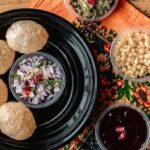
Indian cuisine is not limited to fine dining but is also available in street food form. Street food is an integral part of Indian cuisine and offers a wide range of options, such as chaat (a savory snack) and vada pav (a potato-based sandwich).
Indian cuisine is also available in fine dining restaurants, where chefs offer a modern take on traditional dishes. The cuisine is versatile and can be adapted to suit different tastes and preferences.
Conclusion: Exploring India’s Culinary Treasures
Indian cuisine offers a unique and diverse culinary experience that is unmatched by any other cuisine. The cuisine’s rich flavor profile, variety of regional cuisines, use of spices, vegetarian and non-vegetarian options, and delightful desserts make it a must-try for food lovers.
Exploring Indian cuisine is a journey that requires an open mind and a willingness to try new things. From street food to fine dining, Indian cuisine offers something for everyone, making it a cuisine that is worth discovering.


Facebook Comments