 John Myers
Introduction: Indian Buffets as a Cultural Experience
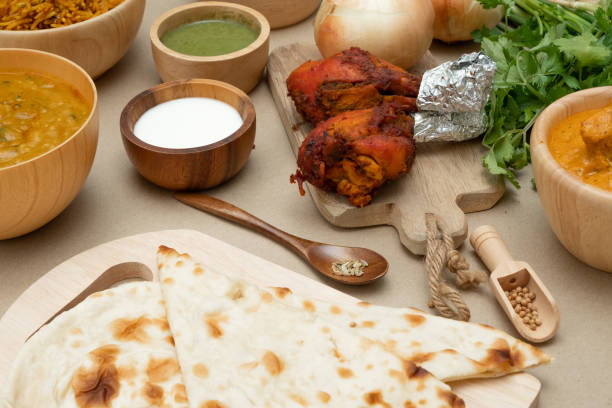
When it comes to Indian cuisine, the flavors, spices, and aromas are truly unique. Indian cuisine has always been known for its diversity, which is a reflection of its vibrant culture and traditions. One of the best ways to experience the rich culinary heritage of India is through a buffet spread that showcases a wide range of dishes from different regions of the country.
Indian buffets are more than just a meal – they are a cultural experience that takes you on a journey through the flavors and aromas of India. From fragrant biryanis to spicy curries, crispy dosas to fluffy naans, and sweet desserts to refreshing drinks, Indian buffets offer a feast for the senses that is hard to forget.
The Art of Indian Cuisine: A Brief History
Indian cuisine is one of the oldest and most diverse in the world. It has been shaped by various cultural, religious, and historical influences over centuries. The earliest known Indian cuisine dates back to the Indus Valley Civilization, which existed around 2500 BCE. The cuisine of India has evolved over time and has been influenced by various invaders such as the Mughals, Persians, and Europeans.
Indian cuisine is characterized by its use of spices, herbs, and vegetables that grow in different regions of the country. The diversity of Indian cuisine is reflected in the different styles of cooking, from the tandoori cooking of North India to the seafood dishes of the coastal regions. The use of yogurt, ghee, and different types of flours like wheat, rice, and gram flour are also common in Indian cooking.
Spice It Up: The Essential Ingredients in Indian Cooking
The use of spices is one of the defining features of Indian cuisine. Spices not only add flavor and aroma to dishes but also have medicinal properties that make them an essential part of Indian cooking. Some of the most commonly used spices in Indian cuisine are cumin, coriander, turmeric, ginger, garlic, and chili.
Apart from spices, herbs like mint, cilantro, and curry leaves are also used in Indian cooking. Vegetables like tomatoes, onions, and potatoes are used extensively in curries and stews. The use of lentils, beans, and legumes is also common in Indian vegetarian cuisine.
The Best Indian Buffets in Delhi: A Foodie’s Guide
Delhi, the capital city of India, is known for its rich culinary heritage. From traditional street food to fine dining restaurants, Delhi offers a wide range of food options for both locals and tourists. When it comes to Indian buffets, Delhi has some of the best restaurants that offer a variety of dishes from different regions of the country.
Some of the popular Indian buffets in Delhi include Bukhara at ITC Maurya, Tamra at Shangri-La’s Eros Hotel, and K3 at JW Marriott. These restaurants offer a wide range of vegetarian and non-vegetarian dishes that showcase the diversity of Indian cuisine. The buffet spreads at these restaurants are not only delicious but also visually appealing, making them a feast for both the eyes and the palate.
From North to South: Regional Specialties on the Buffet Table
India is a vast country with diverse cuisines that vary from region to region. The buffet spreads at Indian restaurants showcase the regional specialties of different parts of the country. For example, in North India, you can find dishes like butter chicken, dal makhani, and tandoori roti, while in South India, you can find dishes like dosas, idlis, and sambar.
Similarly, the cuisine of East India is known for its use of mustard oil and fish, while the cuisine of West India is known for its spicy curries and seafood dishes. The buffet spreads at Indian restaurants offer a unique opportunity to explore the regional specialties of different parts of the country.
Vegetarian Delights: Exploring the Richness of Indian Vegetarian Cuisine
Vegetarianism is a way of life for many Indians, and Indian cuisine has a rich tradition of vegetarian cooking. Indian vegetarian cuisine is not only delicious but also healthy and nutritious. The use of lentils, beans, and legumes provides a rich source of protein, while the use of vegetables and herbs provides a variety of nutrients.
Some of the popular vegetarian dishes in Indian cuisine include chana masala, palak paneer, and aloo gobi. Indian restaurants that offer vegetarian buffets showcase the richness of Indian vegetarian cuisine, with a wide range of dishes that cater to different tastes and preferences.
Meat Lovers Rejoice: A Guide to Indian Non-Vegetarian Buffets
While Indian vegetarian cuisine is popular, Indian non-vegetarian cuisine is equally delicious and diverse. The use of spices and herbs adds flavor and aroma to meat dishes, making them a popular choice for meat lovers. Some of the popular non-vegetarian dishes in Indian cuisine include butter chicken, tandoori chicken, and fish curry.
Indian restaurants that offer non-vegetarian buffets showcase the diversity of Indian meat dishes, with a wide range of dishes that include chicken, lamb, fish, and seafood. The buffet spreads at these restaurants are a treat for meat lovers, with dishes that are cooked to perfection and served with a variety of accompaniments.
Beyond Curry: Lesser-Known but Equally Delicious Indian Dishes
Indian cuisine is not just about curries and stews. There are many lesser-known dishes in Indian cuisine that are equally delicious and worth trying. For example, in North India, you can find dishes like baingan ka bharta (roasted eggplant), while in South India, you can find dishes like avial (vegetable stew).
Other lesser-known dishes in Indian cuisine include biryanis, kebabs, and street food like chaat and pani puri. Indian restaurants that offer buffet spreads often include these lesser-known dishes, giving customers a chance to explore the richness of Indian cuisine beyond the usual curries and stews.
Pairing Perfection: Drinks That Complement Indian Cuisine
Indian cuisine is known for its bold flavors and spices, and drinks that complement these flavors are an essential part of the dining experience. Indian restaurants offer a variety of drinks that complement the flavors of Indian cuisine, from traditional lassi to modern cocktails.
Some of the popular drinks that complement Indian cuisine include chaas (buttermilk), nimbu pani (lemonade), and masala chai (spiced tea). Indian restaurants that offer buffet spreads often include these drinks, giving customers a complete dining experience that is authentic and delicious.
Conclusion: A Journey Through India’s Rich Culinary Heritage
Indian cuisine is a reflection of its rich cultural and historical heritage. From the use of spices and herbs to the diversity of regional cuisines, Indian cuisine is a feast for the senses that is hard to forget. Indian buffets offer a unique opportunity to explore the richness of Indian cuisine, with a wide range of dishes that cater to different tastes and preferences.
Whether you are a vegetarian or a meat lover, a foodie or a traveler, Indian buffets offer something for everyone. So the next time you are in India or at an Indian restaurant, be sure to explore the flavors and aromas of Indian cuisine through a buffet spread that takes you on a culinary journey through India’s rich cultural heritage.

Facebook Comments