 John Myers
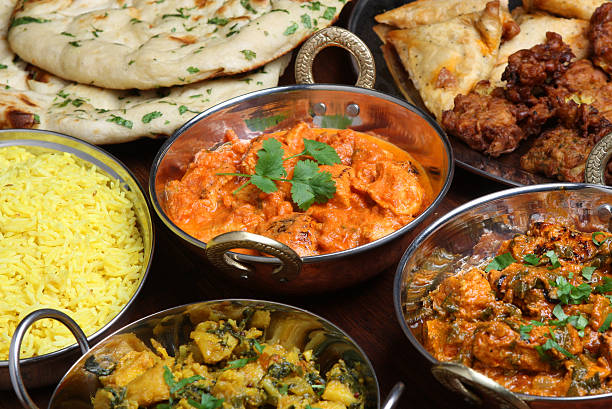
Introduction to Spicy Indian Cuisine
Indian cuisine is known for its intense flavors and spicy kick, making it one of the most popular and unique culinary experiences in the world. The use of aromatic spices, herbs, and chilies create a complex blend of flavors that tantalize the taste buds and offer a range of health benefits. Indian cuisine is also diverse, with each region offering its own unique dishes that reflect the cultural and historical influences of that area.
Spicy Indian cuisine is not only delicious and satisfying, but it also offers a glimpse into the rich history and culture of India. From savory curries to aromatic biryanis, there is something for everyone in this cuisine. Whether you are a fan of fiery heat or prefer a milder flavor, Indian cuisine has a variety of dishes that cater to all preferences.
Understanding the Role of Spices in Indian Cooking
Spices are the backbone of Indian cuisine and play a significant role in creating the complex flavors that make it so distinctive. The use of spices in Indian cooking dates back thousands of years, with many spices having medicinal and healing properties. The most commonly used spices in Indian cooking include cumin, coriander, turmeric, mustard seeds, and garam masala.
Spices are not only used for flavor but also to balance the body’s energy and promote health. The combination of spices used in Indian cuisine has been known to aid digestion, boost immunity, and even reduce inflammation. Indian cooking also uses a technique called “tempering” where whole spices are heated in oil to release their essential oils and add depth of flavor to the dish. Understanding the role of spices in Indian cooking is crucial to creating authentic and flavorful dishes.
The Key Ingredients for Indian Dishes
Apart from spices, Indian cuisine also uses a variety of key ingredients that are essential in creating authentic dishes. These include lentils, chickpeas, rice, vegetables, and meats such as chicken, lamb, and goat. Indian cooking also uses dairy products such as ghee, yogurt, and paneer, a type of cheese.
Herbs such as cilantro, mint, and curry leaves are also commonly used to add freshness and aroma to dishes. In addition, Indian cuisine also uses a range of flatbreads such as naan, roti, and paratha, which are perfect for soaking up the flavorful sauces and gravies that are a highlight of this cuisine. Understanding the key ingredients used in Indian cooking is essential for creating delicious and authentic dishes.
Exploring the Regional Varieties of Indian Cuisine
Indian cuisine is incredibly diverse and varies significantly from region to region, with each area offering its own unique dishes and flavors. In the north, dishes such as butter chicken, biryani, and tandoori chicken are popular. In the south, dishes such as dosa, sambar, and rasam are a staple. In the west, dishes such as vada pav, seafood curries, and dhokla are popular, while in the east, dishes such as fish curry, chhena poda, and mishti doi are famous.
Understanding the regional varieties of Indian cuisine is essential for exploring the rich and diverse flavors of this cuisine. Each region offers a unique culinary experience, and trying dishes from different regions is a great way to appreciate the diversity of Indian cuisine.
The Health Benefits of Spicy Indian Food
Apart from being delicious, Indian cuisine also offers a range of health benefits. The use of spices in Indian cooking has been known to aid digestion, boost metabolism, and reduce inflammation. Spices such as turmeric have powerful anti-inflammatory properties, while cumin is known to aid digestion and improve gut health.
Indian cuisine also uses a variety of healthy ingredients such as lentils, chickpeas, and vegetables, which are high in protein, fiber, and essential nutrients. Indian cooking also uses minimal amounts of processed foods, making it a healthy and wholesome option. Understanding the health benefits of Indian cuisine is essential for making informed food choices.
Tips for Cooking with Indian Spices
Cooking with Indian spices can be intimidating for beginners, but with a few tips, it can be easy and fun. It’s important to use fresh spices and store them in airtight containers away from light and heat. To release the essential oils in whole spices, heat them in oil before adding other ingredients.
It’s also essential to follow the recipe when using spices to ensure the right balance of flavors. Finally, it’s important to taste the dish as you cook and adjust the seasoning accordingly. Following these tips will ensure that your Indian dishes are flavorful and authentic.
Pairing Spicy Indian Dishes with Beverages
Pairing spicy Indian dishes with the right beverage can enhance the flavors of the dish and create a well-rounded culinary experience. For spicy dishes, a lassi, a yogurt-based drink, is an excellent choice as it cools the palate and balances the heat.
For milder dishes, a light lager or pilsner beer works well, while for richer dishes such as biryanis, a full-bodied red wine is a great option. Understanding how to pair beverages with Indian dishes is essential for creating a well-rounded dining experience.
Popular Spicy Indian Dishes You Must Try
Indian cuisine is known for its spicy dishes, and there are plenty of options to choose from. Butter chicken, tikka masala, vindaloo, and chana masala are popular dishes that offer a fiery kick.
For those who prefer milder flavors, dishes such as dal makhani, saag paneer, and vegetable biryani are excellent options. Exploring the variety of spicy Indian dishes is a great way to appreciate the rich and complex flavors of Indian cuisine.
Vegetarian and Vegan Options in Indian Cooking
Indian cuisine has plenty of vegetarian and vegan options that are delicious and nutritious. Dishes such as chana masala, aloo gobi, and baingan bharta are popular vegetarian options, while dishes such as dal tadka, sambar, and rasam are vegan-friendly.
Indian cuisine also uses a variety of plant-based proteins such as lentils, chickpeas, and paneer, making it a great option for those following a vegetarian or vegan diet. Understanding the vegetarian and vegan options in Indian cooking is essential for creating a well-rounded and inclusive culinary experience.
Conclusion: Why Spicy Indian Cuisine is Worth Exploring
Spicy Indian cuisine is a unique and flavorful culinary experience that offers a range of health benefits and cultural insight. Understanding the role of spices in Indian cooking, the key ingredients, and the regional varieties of Indian cuisine is essential for exploring the rich flavors of this cuisine.
With a variety of vegetarian and vegan options, there is something for everyone in Indian cuisine. Whether you are a fan of fiery heat or prefer milder flavors, there are plenty of options to choose from. Exploring the rich and diverse flavors of Indian cuisine is a culinary adventure worth taking.



Facebook Comments