 John Myers

Introduction to South Indian Culture
South India is a culturally rich region, with a distinct identity shaped by its geography, history, and traditions. It comprises the states of Tamil Nadu, Kerala, Karnataka, Andhra Pradesh, and Telangana, as well as the union territories of Puducherry and Lakshadweep. The region’s cultural heritage can be traced back to ancient times, with evidence of flourishing civilizations, trade, and art.
South Indian culture is characterized by its emphasis on family values, religion, and spirituality. The practice of Hinduism is widespread, with many temples and holy places visited by pilgrims from all over the country. The region is also known for its classical music, dance forms, cuisine, and literature. Overall, South Indian culture is a vibrant tapestry of customs, traditions, and beliefs that have evolved over centuries.
Festivals: Celebrations of South India
South India is renowned for its colorful and lively festivals, which are celebrated throughout the year. These festivals are a time for family reunions, feasting, and religious ceremonies, and they provide an opportunity for people to come together and share their culture. Some of the most popular festivals in South India include Pongal, Onam, Dussehra, Diwali, and Ugadi.
Each festival has its significance and is celebrated in its unique way. For example, Pongal is a harvest festival that marks the end of the winter solstice and the beginning of the harvest season. Onam is another harvest festival that is celebrated in Kerala and marks the homecoming of the mythical King Mahabali. Dussehra is celebrated in honor of Lord Rama’s victory over the demon king Ravana, while Diwali is the festival of lights, which signifies the victory of good over evil. Ugadi marks the beginning of a new year and is celebrated in Andhra Pradesh and Telangana.
Traditional South Indian Clothing
South Indian clothing is known for its vibrant colors, intricate designs, and comfortable fabrics. The most popular attire for women is the saree, a long piece of cloth draped over the body in various styles. The saree is usually made of cotton, silk, or chiffon, and is adorned with embroidery, beadwork, or other embellishments.
Men typically wear the dhoti, which is a rectangular piece of cloth wrapped around the waist and legs. It is usually made of cotton or silk and comes in a variety of colors and patterns. Other traditional clothing items include the mundu, lungi, and veshti, which are worn in different parts of South India.
South Indian Cuisines: Spices and Flavors
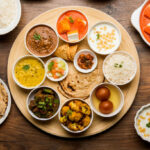
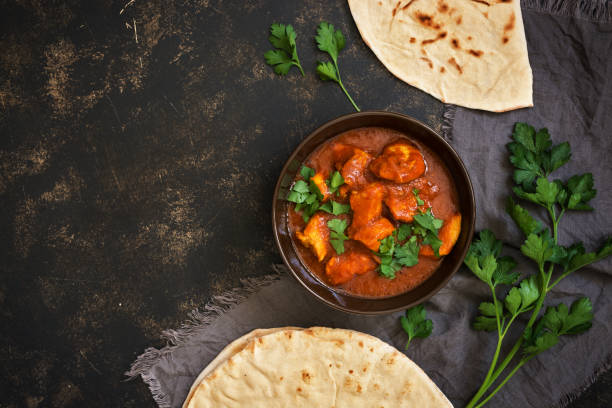
South Indian cuisine is known for its bold flavors, aromatic spices, and vegetarian dishes. Rice, lentils, and vegetables are staples of the cuisine, and coconut, tamarind, and curry leaves are commonly used to add flavor. The cuisine is also famous for its chutneys, pickles, and sambar, which are made from a variety of ingredients.
Some of the most popular South Indian dishes include dosa, idli, vada, rasam, and biryani. These dishes are enjoyed by people all over the world, and South Indian restaurants are found in many countries.
Music and Dance Forms of South India
South India has a rich tradition of classical music and dance forms, which have evolved over centuries. The region’s music is characterized by its use of complex rhythms, melodic structures, and intricate improvisations. The most popular music forms in South India are Carnatic music and Hindustani music.
South Indian dance forms are also famous for their grace, beauty, and intricate footwork. The most popular dance forms in South India are Bharatanatyam, Kuchipudi, and Mohiniyattam. These dances are performed at festivals, weddings, and other cultural events.
South Indian Architecture: Temples and Monuments
South India is home to some of the most magnificent temples and monuments in the country. The region’s architecture is characterized by its use of intricate carvings, sculptures, and frescoes, which are a testament to the region’s rich cultural heritage.
Some of the most famous temples in South India include the Meenakshi Temple in Madurai, the Brihadeeswara Temple in Thanjavur, and the Tirupati Temple in Andhra Pradesh. These temples attract thousands of visitors every year and are considered to be some of the most important religious sites in the country.
Art and Literature of South India
South Indian art and literature are characterized by their intricate designs, vibrant colors, and rich symbolism. The region has a long history of artistic expression, with evidence of cave paintings and sculptures dating back thousands of years.
South Indian literature is also renowned for its poetry, drama, and epics. The most famous literary work in South India is the Tamil epic, Silappathikaram, which tells the story of a young woman’s journey of love and redemption.
Customs and Rituals in South India
South Indian customs and rituals are a reflection of the region’s rich cultural heritage. Many of these customs are centered around religion, family, and community, and they are considered to be an essential part of daily life.
Some of the most common customs and rituals in South India include the offering of prayers at temples, the preparation of traditional dishes for festivals, and the performance of classical music and dance forms. Other customs include the practice of yoga, meditation, and chanting.
South Indian Languages: Diversity and Variations
South India is home to a diverse range of languages, each with its unique grammar, vocabulary, and pronunciation. The most widely spoken languages in South India are Tamil, Telugu, Kannada, and Malayalam.
These languages have a rich literary tradition, with many important works of literature written in each language. They are also taught in schools and universities throughout the region, and efforts are being made to preserve and promote these languages.
Influence of South Indian Culture on the World
South Indian culture has had a significant impact on the world, particularly in the areas of music, dance, and cuisine. South Indian classical music has influenced many musicians and composers around the world, while South Indian dance forms have gained popularity in many countries.
South Indian cuisine has also become increasingly popular, with the use of spices and flavors now found in many international dishes. Overall, South Indian culture continues to inspire and influence people around the world, highlighting the region’s rich and diverse heritage.

Facebook Comments