 John Myers
Introduction to Nutritious Indian Snacks
Indian snacks are known for their bold flavors and spices, but did you know they can also be nutritious? Traditional Indian snacks are often made with whole grains, vegetables, and legumes, providing a source of fiber, protein, and essential vitamins and minerals. With a bit of knowledge, you can discover the healthy side of Indian snacking and add some variety to your diet.
A Guide to Understanding Indian Spices
Spices are the backbone of Indian cuisine, adding depth and complexity to dishes. Understanding the different spices used in Indian cooking can help you appreciate the flavors and health benefits of Indian snacks. Turmeric, for example, is a powerful anti-inflammatory and antioxidant, while cumin aids digestion and may help lower blood sugar levels. Other commonly used spices include coriander, cardamom, cinnamon, and ginger. If you’re new to Indian cooking, start with a few basic spices and build your collection over time.
Top 5 Must-Try Indian Snacks for Health Nuts
Looking for some nutritious Indian snack options? Try these top five favorites:
- Masala roasted chickpeas: A crunchy and protein-packed snack, these chickpeas are seasoned with a blend of fragrant spices.
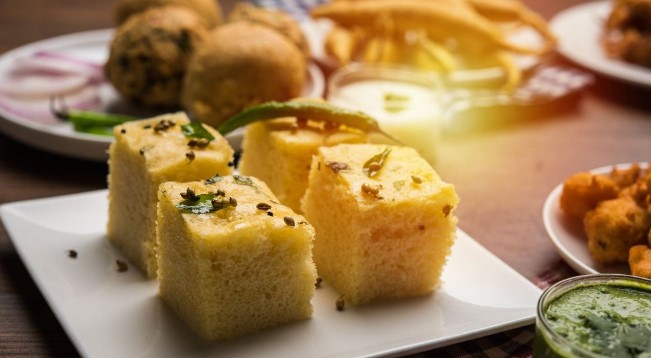
- Dhokla: Made from fermented batter of gram flour and steamed, this snack is rich in protein and fiber.
- Vegetable samosas: These triangular pastries are filled with a delicious mixture of vegetables and spices- fried in a non-stick pan they can be a healthy and filling snack.
- Masala peanuts: Simple yet satisfying, these spicy peanuts are a great source of protein and healthy fats.
- Bhel puri: This street food favorite combines puffed rice, vegetables, and chutney for a satisfying and nutritious snack.
The Nutritional Benefits of Indian Snacks
Indian snacks are often made with nutrient-dense ingredients that provide a range of health benefits. Whole grains like millet and quinoa offer fiber, protein, and essential minerals, while legumes like chickpeas and lentils are a good source of plant-based protein. Vegetables like spinach and cauliflower provide vitamins and antioxidants, and spices like turmeric and ginger have anti-inflammatory properties. When prepared with care and attention to ingredients, Indian snacks can be a healthy and satisfying addition to your diet.
Healthy Alternatives to Popular Indian Snacks
While some traditional Indian snacks can be high in calories and unhealthy fats, there are plenty of healthy alternatives to try. Swap out fried samosas for baked or grilled versions, or try air-frying your favorite snacks for a lower-fat option. Instead of potato chips, try roasted lotus root or taro chips for a satisfying crunch. And if you’re looking for a sweet treat, try making your own energy balls with dates, nuts, and spices like cardamom and saffron.
How to Make Your Own Nutritious Indian Snacks
Making your own Indian snacks at home can be a fun and healthy way to experiment with new flavors and ingredients. Start with simple recipes like roasted chickpeas or spiced nuts, and work your way up to more complex dishes like samosas or dhokla. Invest in a few basic spices and a good quality non-stick pan or air-fryer to make cooking easier. And don’t be afraid to experiment with different flavor combinations and ingredients!
Traditional Indian Snacks: Good or Bad for Your Health?
While some traditional Indian snacks can be high in calories and unhealthy fats, many are made with whole ingredients and prepared in a healthy way. It’s important to consider the preparation method and ingredients when selecting Indian snacks, and to enjoy them in moderation as part of a balanced diet. With a bit of research and attention to ingredients, you can find plenty of nutritious and delicious Indian snacks to enjoy.
Exploring Regional Indian Snacks and Their Nutritional Values
Indian cuisine is incredibly diverse, with a range of regional specialties and unique snacks. From Mumbai’s famous vada pav to Kolkata’s jhal muri, each region has its own spin on Indian snacking. Many regional snacks are made with local ingredients and offer a range of nutritional benefits. For example, Gujarat’s famous thepla is made with fenugreek leaves and whole wheat flour, while Kerala’s banana chips are a crunchy source of potassium.
Indian Snacks for Special Dietary Needs: Vegan and Gluten-Free Options
Indian cuisine is ideal for those with special dietary needs, with plenty of vegan and gluten-free options available. Many traditional Indian snacks are naturally vegan, made with vegetables, legumes, and spices. For gluten-free options, look for snacks made with rice flour or chickpea flour, like murukku or chakli. And if you’re looking for a low-carb option, try cauliflower pakoras or zucchini fritters.
Conclusion: Embracing Nutritious Indian Snacks as Part of a Healthy Diet
Indian snacks are a delicious and nutritious addition to your diet, offering a range of flavors and health benefits. With a bit of knowledge and experimentation, you can discover the healthy side of Indian snacking, and enjoy a range of regional specialties and unique flavors. Whether you make your own snacks at home or explore local Indian restaurants and markets, don’t be afraid to try something new and embrace the world of nutritious Indian snacking.


Facebook Comments