 John Myers
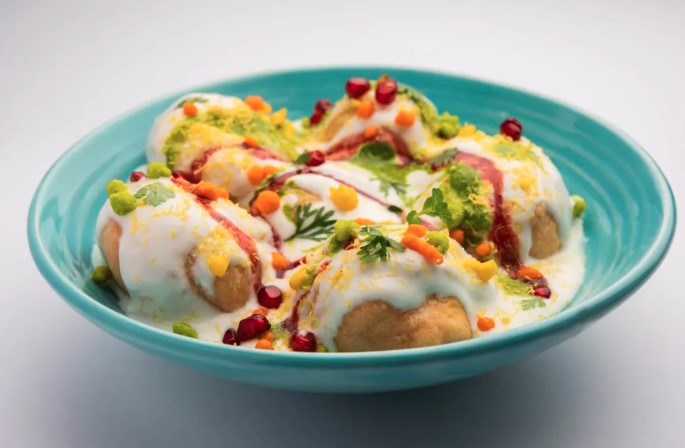
Introduction: Indian Cuisine
Indian cuisine is known for its diverse flavors, use of spices, and regional variations. The cuisine has a rich history dating back to ancient times and has been influenced by various cultures and societies. Indian dinner is a special occasion in most households, where families gather around to enjoy a meal filled with aromatic flavors and rich textures.
The traditional Indian dinner is usually a multi-course meal that includes appetizers, main courses, accompaniments, and desserts. The meal is often served in a family-style setting, where everyone shares and enjoys the food together. The Indian dinner menu varies across regions, religions, and cultures. It is a reflection of India’s vibrant diversity, traditions, and culinary practices.
Spices & Flavors in Indian Dinner
Spices play a vital role in Indian cuisine, as they add flavor, aroma, and color to the dishes. The use of spices in Indian dinner varies from region to region and dish to dish. Some commonly used spices include cumin, coriander, turmeric, mustard seeds, cardamom, cinnamon, cloves, and bay leaves.
Indian cuisine is also famous for its sweet, sour, spicy, and tangy flavors. The dishes are often prepared with a blend of spices and herbs that create a unique flavor profile. For instance, the tangy flavor of tamarind is used in south Indian cuisine, whereas the sweet flavor of jaggery is used in north Indian cuisine.
A Closer Look at Regional Cuisines
India is a diverse country with a unique regional cuisine that varies in flavors, spices, and cooking techniques. The north Indian cuisine is characterized by rich and creamy curries, bread, and rice dishes. The south Indian cuisine, on the other hand, is known for its spiciness, rice-based dishes, and lentil-based stews.
The east Indian cuisine is famous for its seafood dishes, while the west Indian cuisine is known for its vegetarian dishes and street food. Each region of India has something unique to offer, and exploring the regional cuisine is an exciting way to understand the country’s food culture.
Vegetarian Indian Dinner Choices
Vegetarianism is prevalent in India, and the cuisine offers a variety of vegetarian dishes that are both healthy and delicious. Some popular vegetarian dishes include dal makhani, paneer tikka masala, chana masala, aloo gobi, and baingan bharta.
Vegetarian Indian dinner is usually served with rice or bread, along with accompaniments such as raita, pickle, and chutney. The vegetarian dishes are often prepared with a combination of vegetables, lentils, and spices, which create a wholesome and flavorful meal.
Non-Vegetarian Indian Dinner Choices
Non-vegetarian Indian dishes are equally popular and offer a variety of options for meat-lovers. Some popular non-vegetarian dishes include butter chicken, chicken tikka masala, lamb biryani, fish curry, and prawn masala.
The meat dishes are often prepared with a blend of spices and herbs that enhance the flavor of the meat. Non-vegetarian Indian dinner is usually served with rice or bread, along with accompaniments such as raita, pickle, and chutney.
Traditional Indian Dinner Styles
Indian dinner is traditionally served in a thali, which is a metal plate with several compartments. The thali consists of rice, bread, dal, vegetables, meat, or fish dishes, and accompaniments.
Another traditional Indian dinner style is the communal dining style, where everyone shares the food from a large plate or banana leaf. This style of dining is popular in south India and is called the banana leaf meal.
Popular Indian Dinner Dishes
Some popular Indian dinner dishes include butter chicken, chicken tikka masala, lamb biryani, fish curry, prawn masala, dal makhani, paneer tikka masala, aloo gobi, and baingan bharta.
Each dish has a unique flavor and texture and is prepared with a blend of spices, herbs, and fresh ingredients. The dishes are often served with rice or bread and are accompanied by a variety of chutneys, pickles, and raita.
Accompaniments: Bread, Rice & Chutneys
Indian dinner is often served with a variety of accompaniments, such as bread, rice, and chutneys. The bread options include naan, roti, paratha, and kulcha.
The rice dishes include biryani, pulao, and plain rice. The chutneys are made from a variety of ingredients such as mint, coriander, tamarind, and coconut, and add a tangy and flavorful touch to the meal.
Desserts in Indian Dinner Traditions
Indian cuisine has a variety of desserts that are sweet, rich, and flavorsome. Some popular desserts include gulab jamun, rasgulla, kulfi, halwa, and kheer.
The desserts are often made from ingredients such as milk, sugar, ghee, and grains, and are flavored with spices and dried fruits. They are usually served at the end of the meal and are a perfect way to end the dinner on a sweet note.
Conclusion: Embracing Indian Dinner Culture
Indian cuisine is a reflection of the country’s diverse culture, traditions, and culinary practices. Exploring the flavors and regional cuisines of India is a fantastic way to understand the country’s food culture.
Whether it’s vegetarian or non-vegetarian, traditional or modern, Indian dinner offers a wide range of options that cater to everyone’s taste buds. Embracing Indian dinner culture is not only a culinary experience but also an opportunity to connect with the country’s rich and vibrant heritage.


Facebook Comments