 John Myers
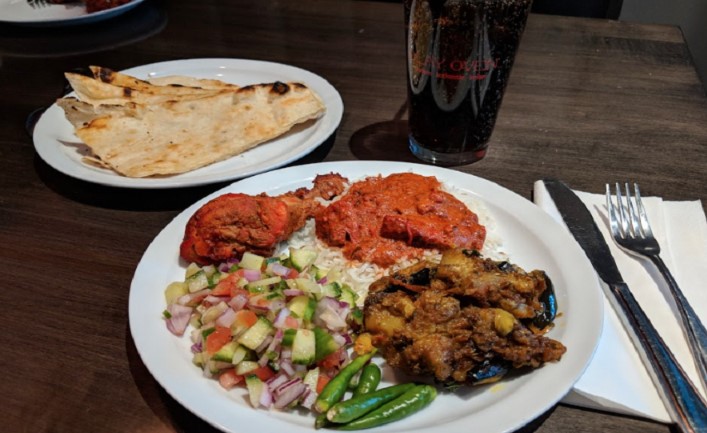
Introduction: The Search for Authentic Indian Cuisine
Indian cuisine is one of the oldest and most diverse in the world, with a rich history dating back thousands of years. The flavors, aromas, and colors of Indian food continue to captivate food lovers around the globe, but with so many different styles, spices, and regional variations, it can be difficult to know where to start when seeking authentic Indian cuisine.
This guide is designed to help you uncover the secrets of Indian cooking and explore the diverse flavors and traditions of this vibrant culinary culture. From essential spices and ingredients, to regional variations and techniques, we’ll provide you with everything you need to create and savor the authentic tastes of India.
The Rich and Diverse History of Indian Food
Indian cuisine is deeply rooted in the country’s history, culture, and geography. From the ancient Indus Valley civilization to the Mughal Empire, the influences of different cultures have shaped and enriched Indian cuisine over the centuries. The use of spices, herbs, and aromatic seasonings is central to Indian cooking, creating complex flavors and aromas that are unmatched in any other cuisine.
The diversity of Indian cuisine is reflected in its many regional variations, each with its own unique flavors, ingredients, and techniques. Whether you’re exploring the coastal flavors of South India or the rich, meaty dishes of the North, Indian cuisine offers a wealth of culinary delights to discover.
Regional Variations: Exploring the Culinary Map of India
India is a vast country with a rich culinary heritage, and the regional variations in Indian cuisine are as diverse as the people and cultures that make up the country. From the spicy, coconut-based curries of Kerala to the rich, buttery dishes of Punjab, the flavors and techniques of Indian cooking vary widely depending on the region.
Some of the most popular regional styles of Indian cuisine include North Indian, South Indian, Bengali, Gujarati, and Maharashtrian. Each of these styles has its own unique set of ingredients and flavors, from the fiery chilies and tamarind of South India to the fragrant cardamom and cinnamon of North Indian cuisine.
Essential Spices and Ingredients in Indian Cooking
Spices and aromatics are the backbone of Indian cuisine, and no dish is complete without a carefully crafted blend of spices and seasonings. Some of the most essential spices in Indian cooking include cumin, coriander, turmeric, ginger, and mustard seeds. These spices are used in a variety of forms, from whole seeds to ground powders, and are combined in different ways to create the distinctive flavors and aromas of Indian cooking.
Other essential ingredients in Indian cooking include onions, garlic, tomatoes, and chilies. These ingredients are used as a base for many dishes, providing depth and complexity to the flavors of the spices and seasonings.
Mastering the Art of Indian Cooking Techniques
Indian cooking involves a range of techniques, from tempering spices to slow-cooking stews and curries. One of the hallmarks of Indian cooking is the use of the tawa, a flat griddle used for cooking breads and pancakes. Other important techniques include sautéing, frying, and roasting.
One of the key skills in Indian cooking is the ability to balance flavors and aromas, combining different spices and ingredients in just the right proportions to create a harmonious and delicious dish. This requires precision and patience, as well as a deep understanding of the ingredients and techniques involved.
Popular Indian Dishes: From Street Food to Fine Dining
Indian cuisine offers a wide range of dishes, from street food to fine dining. Some of the most popular dishes include biryani, butter chicken, samosas, naan bread, and dosas. These dishes vary in complexity and flavor, but all share a commitment to bold, aromatic flavors and a deep appreciation for the ingredients and techniques of Indian cooking.
Street food is an important part of Indian cuisine, with a wide range of snacks and dishes available from vendors and stalls throughout the country. These dishes are often served in small portions, making them ideal for tasting and sharing.
Vegetarianism in Indian Cuisine: A Cultural Perspective
Vegetarianism is an important part of Indian culture, with many people following a vegetarian or vegan diet for religious or cultural reasons. Indian cuisine offers a wealth of vegetarian options, with a wide range of dishes made from lentils, beans, vegetables, and grains.
Some of the most popular vegetarian dishes in Indian cuisine include chana masala, dal makhani, and baingan bharta. These dishes are rich in flavor and nutrition, making them a delicious and healthy choice for vegetarians and meat-eaters alike.
Satisfying Your Sweet Tooth with Indian Desserts
Indian cuisine offers a wide range of desserts, from the delicate, rose-scented gulab jamun to the rich, creamy kulfi. Many Indian desserts are made with milk and sugar, and are flavored with aromatic spices and nuts.
Other popular Indian desserts include rasgulla, a soft and spongy cheese ball soaked in syrup, and jalebi, a crispy, deep-fried dessert made with flour, sugar, and saffron.
Pairing Indian Food with the Right Beverages
Indian cuisine offers a wide range of flavors and aromas, and pairing the right beverage with your meal can enhance the dining experience. Some popular beverage options for Indian cuisine include lassi, a yogurt-based drink, chai tea, and beer.
Wine can also be a good option for pairing with Indian food, with many Indian dishes complementing the bold, fruity flavors of red wine. White wine and champagne can also be a good choice for lighter dishes, such as vegetarian curries and seafood.
Final Thoughts: Embracing the Flavors of India
Indian cuisine is a rich and diverse culinary tradition, with a history dating back thousands of years. Whether you’re a seasoned foodie or a curious beginner, exploring the flavors, aromas, and techniques of Indian cooking is a journey worth taking.
By embracing the diversity and complexity of Indian cuisine, you can discover new flavors and techniques, and create delicious dishes that are sure to impress. From the spicy and aromatic curries of the North to the delicate, seafood-infused flavors of the South, Indian cuisine offers a world of culinary delights to savor and enjoy.


Facebook Comments