 John Myers
Introduction to Indian Curries
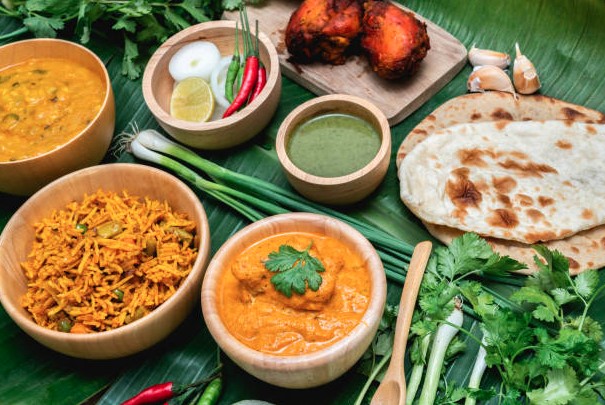
Indian curries are among the most popular dishes in the world. These dishes are characterized by complex flavors and aromas that are obtained from the use of a variety of spices, herbs, and ingredients. Indian curries vary greatly in taste and texture depending on the region they come from, and can be both vegetarian and non-vegetarian.
Curries are an essential part of Indian cuisine, and have been consumed for centuries. The word “curry” is derived from the Tamil word “kari,” which means “sauce.” The sauce is made by frying spices and aromatics in oil or ghee, and then adding vegetables or meat to the sauce. Curries can be served with rice, bread, or other accompaniments.
The Basics of Curry Making
The base of a curry is made up of onions, ginger, and garlic, which are cooked until they are soft and caramelized. The spices are then added to the base and roasted until they release their aromas. Tomatoes or yogurt are added to the mixture to give it a creamy texture. Vegetables or meat are then added to the curry and cooked until they are tender.
The spices used in a curry can vary depending on the recipe and the region it comes from. Some common spices used in Indian curries include cumin, coriander, turmeric, cardamom, cinnamon, cloves, and black pepper. Curry leaves and mustard seeds are also commonly used in South Indian curries. The amount and combination of spices used in a curry will determine its flavor and heat level.
Regional Variations in Curry
India is a vast country with a diverse range of cuisines, and each region has its own unique style of curry. For example, North Indian curries tend to be mild and creamy, while South Indian curries are often spicier and more complex. Coastal regions use more seafood and coconut milk in their curries, while inland regions rely more on meat and yogurt.
Some of the most popular regional curries include butter chicken from Punjab, vindaloo from Goa, and rogan josh from Kashmir. Each of these curries has its own unique flavor profile and method of preparation.
The Role of Spices in Curry
Spices are the backbone of Indian curries, and are used to add flavor, color, and heat to the dish. The type and amount of spices used in a curry will depend on the recipe and the region it comes from.
Common spices used in Indian curries include cumin, coriander, turmeric, cardamom, cinnamon, cloves, and black pepper. These spices are known for their anti-inflammatory and antioxidant properties, and can help improve digestion and boost the immune system.
Vegetarian and Non-Vegetarian Curries
Indian curries can be both vegetarian and non-vegetarian. Vegetarian curries are made with vegetables, lentils, or paneer (a type of Indian cheese), while non-vegetarian curries are made with chicken, lamb, fish, or seafood.
Popular vegetarian curries include chana masala (chickpea curry), aloo gobi (potato and cauliflower curry), and saag paneer (spinach and cheese curry). Popular non-vegetarian curries include butter chicken, lamb korma, and fish curry.
Popular Curry Recipes
Some of the most popular Indian curries include butter chicken, chicken tikka masala, lamb rogan josh, and vegetable korma. These dishes are beloved for their rich flavors and creamy textures.
To make butter chicken, marinate chicken in a mixture of yogurt and spices, and then cook in a creamy tomato-based sauce. Chicken tikka masala is made by grilling marinated chicken and then simmering it in a creamy tomato sauce. Lamb rogan josh is slow-cooked with a variety of spices, and vegetable korma is made with a creamy sauce and a variety of vegetables.
Tips for Perfecting Curry Flavor
To get the perfect flavor in a curry, it’s important to toast the spices before adding them to the sauce, and to let the curry simmer for a long time to allow the flavors to meld together. It’s also important to use fresh ingredients and high-quality spices.
Another tip is to use a combination of spices, rather than just relying on one or two. This will add more depth and complexity to the curry. Finally, don’t be afraid to adjust the seasoning and spice level to your liking.
Pairing Curries with Rice and Bread
Indian curries are traditionally served with rice or bread. Basmati rice is a popular choice, as it has a delicate flavor that complements the spices in the curry. Naan bread, roti, and paratha are also popular accompaniments to curry.
For a healthier option, try swapping out white rice for brown rice or quinoa. You can also try making your own flatbread or naan at home.
Health Benefits of Indian Curries
Indian curries are known for their health benefits, thanks to the use of spices and herbs. Spices like turmeric, cumin, and coriander have anti-inflammatory and antioxidant properties that can help reduce the risk of chronic diseases like cancer and heart disease.
Curries also often contain a variety of vegetables, which are high in fiber and essential nutrients. Vegetarian curries, in particular, are a great source of protein for those who don’t eat meat.
Exploring India’s Curry Culture
India’s curry culture is rich and diverse, and varies greatly from region to region. Exploring the different types of curries and their flavor profiles is a great way to experience the country’s culinary heritage.
Whether you’re a fan of spicy, creamy, or savory flavors, there’s a curry out there for everyone. Experiment with different spices and ingredients to create your own unique curry recipe, and enjoy the rich and complex flavors of Indian cuisine.


Facebook Comments