 John Myers

Exploring India’s Culinary Heritage: An Introduction
India is known for its rich and diverse culture, which is reflected in its cuisine. Indian cuisine is a combination of regional and cultural influences and has evolved over centuries. It is known for its vivid spices, aromatic herbs, and the use of a variety of vegetables, pulses, grains, and meats. One can explore the culinary heritage of India through its recipes, ingredients, and cooking techniques.
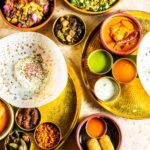
Indian cuisine is not only about the taste but also the way it is presented. The cuisine varies from region to region and is influenced by religion, culture, and traditions. Whether it is the street food of Mumbai or the traditional thali of Rajasthan, the cuisine of India has something to offer for everyone.
The Role of Spices in Indian Cuisine
Indian cuisine is incomplete without the use of spices. Spices not only add flavor to the food but also have medicinal properties. The spices used in Indian cuisine are a combination of dry and fresh spices, and each spice has a distinct aroma, taste, and health benefit. Some of the commonly used spices in Indian cuisine include cumin, coriander, turmeric, cinnamon, cardamom, cloves, and mustard seeds.
The use of spices in Indian cuisine can be traced back to ancient times when they were used as a preservative for food. Spices were also used in Ayurvedic medicine to cure ailments. Today, Indian cuisine is famous for its use of spices, and Indian spices are exported worldwide.
The Diversity of Indian Bread
Indian bread is a staple in Indian cuisine and is consumed with almost every meal. Indian bread is made from a variety of grains and is cooked using different techniques. Some of the popular bread in Indian cuisine includes naan, roti, paratha, puri, and chapati.
The preparation of Indian bread varies from region to region. In the North, bread is cooked in a tandoor or a clay oven, while in the South, bread is cooked on a griddle. The ingredients used in bread also vary from region to region. For example, in the North, bread is made from wheat flour, while in the South, bread is made from rice flour.
Rice Dishes: From Biryani to Khichdi
Rice is a staple food in India, and it is consumed in various forms. From biryani to khichdi, there are many rice dishes in Indian cuisine. Biryani is a famous rice dish that originated in the Mughal era and is made with fragrant rice and spices. Khichdi is a simple dish made with rice and lentils and is considered comfort food in India.
Apart from biryani and khichdi, there are many other rice dishes in Indian cuisine, such as pulao, dosa, and idli. Each dish has a unique flavor, and the preparation varies from region to region.
Vegetarianism in Indian Cuisine
Indian cuisine is known for its vegetarian dishes, and many Indians follow a vegetarian or vegan diet. The reason behind this is the influence of religion on Indian culture. Hinduism, Jainism, and Buddhism are religions that promote vegetarianism.
Vegetarianism in Indian cuisine has given rise to many vegetarian dishes, such as paneer tikka, aloo gobi, and chana masala. These dishes are made with vegetables, pulses, and paneer, which is a type of Indian cheese.
The Influence of Mughal Cuisine
Mughal cuisine has had a significant influence on Indian cuisine. The Mughal empire ruled India from the 16th to 19th century, and their cuisine was a blend of Persian and Indian flavors. Mughal cuisine introduced new ingredients and cooking techniques to Indian cuisine, such as the use of nuts, dried fruits, and saffron.
Some of the popular Mughal dishes in Indian cuisine include biryani, kebabs, and korma. These dishes are made with a combination of meat, spices, and nuts.
Street Food: A Vibrant Part of Indian Culture
Indian street food is a vibrant part of Indian culture and is a popular choice for locals and tourists alike. Indian street food is known for its bold flavors and is prepared in front of the customers.
Some of the popular street food in India includes chaat, samosas, vada pav, and pav bhaji. These dishes are made with a variety of ingredients, such as potatoes, chickpeas, and lentils, and are served with chutneys and sauces.
Regional Specialties: North vs South India
India is a diverse country, and the cuisine varies from region to region. The cuisine in the North is different from the cuisine in the South. In the North, the cuisine is influenced by Mughal cuisine and is rich in spices and flavor. In the South, the cuisine is influenced by Dravidian culture and is known for its use of coconut and curry leaves.
Some of the popular dishes in North India include butter chicken, tandoori chicken, and dal makhani. In the South, popular dishes include dosa, idli, and sambar.
Sweets and Desserts in Indian Cuisine
Indian cuisine is known for its sweets and desserts, and there are many varieties to choose from. Indian sweets are usually made with milk, sugar, and nuts and are flavored with cardamom, saffron, and rose water.
Some of the popular sweets in Indian cuisine include gulab jamun, rasgulla, and barfi. Indian desserts are also a combination of fruits, such as mangoes, and sweets, such as kulfi.
Preserving India’s Culinary Heritage: Challenges and Opportunities
Preserving India’s culinary heritage is crucial to the preservation of Indian culture. However, there are many challenges in preserving India’s culinary heritage, such as changes in food habits and globalization. There is also a need to document and record the culinary heritage of India to pass it on to future generations.
Opportunities for preserving India’s culinary heritage include promoting traditional cooking techniques, using locally sourced ingredients, and educating people about the importance of preserving Indian cuisine. Initiatives such as food festivals and food tours can also help promote Indian cuisine and preserve its culinary heritage.


Facebook Comments