 John Myers
Introduction: The Rich History of Danish Cuisine
Denmark has a long and rich culinary history that dates back to the Viking era. Danish cuisine is characterized by its simplicity, freshness, and emphasis on local and seasonal ingredients. Over the centuries, Danish food has been influenced by various cultures, including German, French, and Swedish. Today, Danish cuisine is renowned for its unique flavors and traditional dishes that have been passed down from generation to generation.
The Roots of Traditional Danish Food
Traditional Danish food is rooted in the country’s agricultural heritage. The harsh climate and limited resources have shaped the cuisine over time, resulting in simple, hearty dishes. Some of the most popular traditional Danish dishes include stegt flæsk med persillesovs (fried pork belly with parsley sauce), fiskefrikadeller (fish cakes), and frikadeller (meatballs). These dishes have been enjoyed by Danes for centuries and continue to be a staple in many households today.
The Importance of Local and Seasonal Ingredients
Local and seasonal ingredients are at the heart of Danish cuisine. Danes take pride in using fresh, high-quality ingredients that are sourced locally. In fact, many traditional Danish dishes are based on the ingredients that are available during certain times of the year. For example, pickled herring is a popular dish during the summer months, while root vegetables and hearty stews are more commonly eaten in the winter.
The Classic Danish Smørrebrød Sandwich
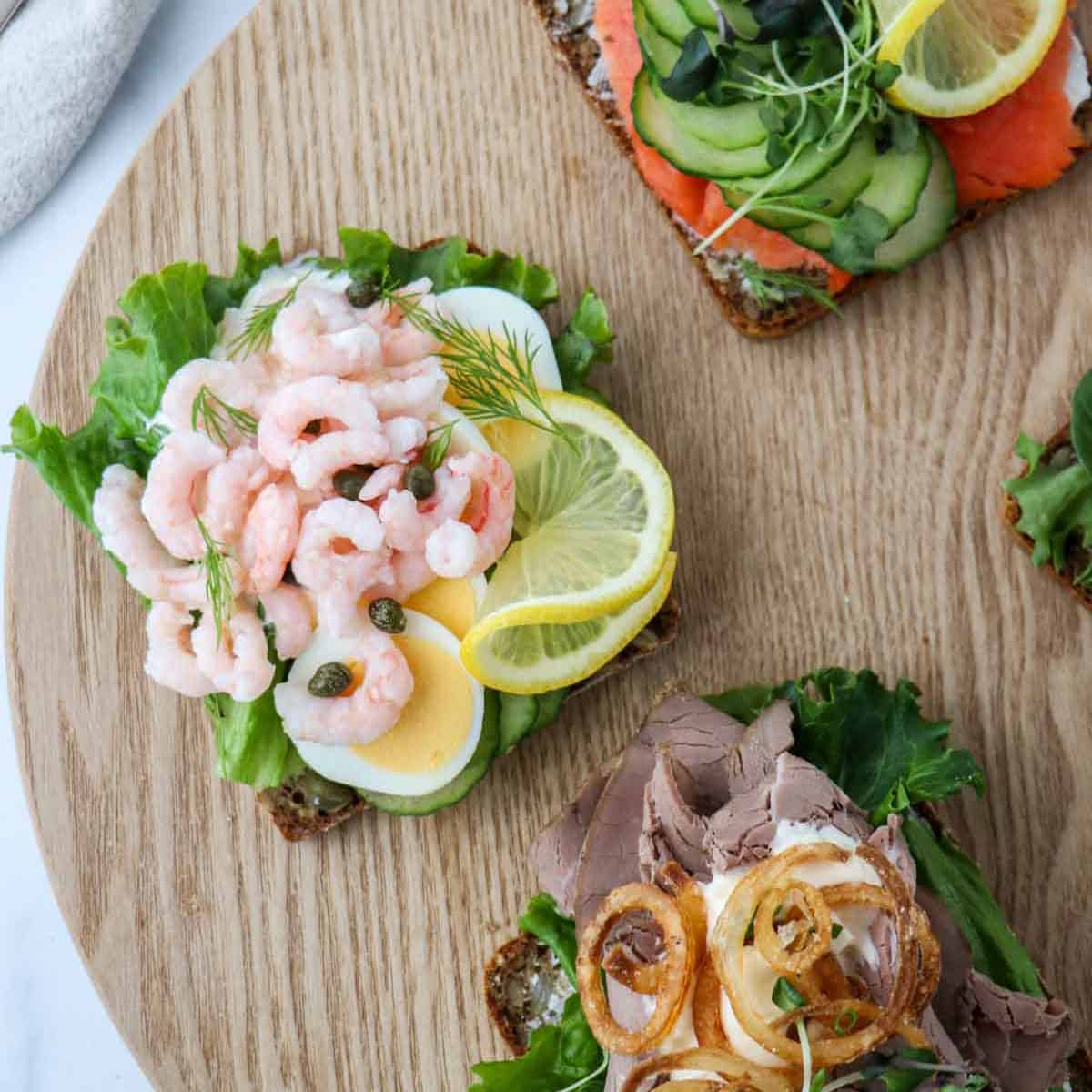
The smørrebrød sandwich is a classic Danish dish that has been enjoyed for centuries. It is made by topping a slice of rye bread with various toppings, such as pickled herring, smoked salmon, or roast beef. The toppings are often accompanied by a spread, such as remoulade or mayonnaise, and garnished with fresh herbs or vegetables. Smørrebrød is a popular lunchtime meal and is often served at restaurants and cafes across Denmark.
The Essentials of Danish Breakfast
Danish breakfast typically consists of a variety of bread, such as rye bread or white bread, served with butter, cheese, and cold cuts. Other common breakfast items include yogurt, muesli, and fruit. Danes also enjoy a hot drink, such as coffee or tea, with their breakfast.
The Delight of Danish Pastries
Danish pastries, or wienerbrød, are a popular treat in Denmark and around the world. They are made by layering butter and dough, which is then rolled and folded several times to create a flaky, buttery pastry. Danish pastries come in a variety of flavors, including fruit-filled, almond, and chocolate.
The Comfort of Danish Meat Dishes
Danish meat dishes are hearty and comforting, perfect for cold winter days. Some popular meat dishes include flæskesteg (roast pork), hakkebøf (minced beef patties), and frikadeller (meatballs). These dishes are often served with potatoes, gravy, and seasonal vegetables.
The Charm of Danish Desserts
Danish desserts are known for their simple yet delicious flavors. Some popular desserts include koldskål (a cold buttermilk soup), æblekage (apple cake), and risalamande (a rice pudding with almonds and cherry sauce). These desserts are often enjoyed during special occasions, such as Christmas or birthdays.
The Influence of New Nordic Cuisine
In recent years, Danish cuisine has been influenced by the New Nordic Cuisine movement. This movement emphasizes the use of local, seasonal, and sustainable ingredients, as well as innovative cooking techniques. New Nordic Cuisine has brought a new level of creativity and modernity to Danish cuisine, while still honoring traditional dishes and flavors.
Conclusion: Exploring the Flavors of Denmark
Danish cuisine is a reflection of the country’s rich history and agricultural heritage. From classic dishes like smørrebrød and meatballs to modern creations inspired by the New Nordic Cuisine movement, there is something for everyone to enjoy. Whether you’re exploring the local food scene in Copenhagen or cooking traditional Danish dishes at home, be sure to savor the unique flavors and ingredients that make Danish cuisine so special.


Facebook Comments