 John Myers
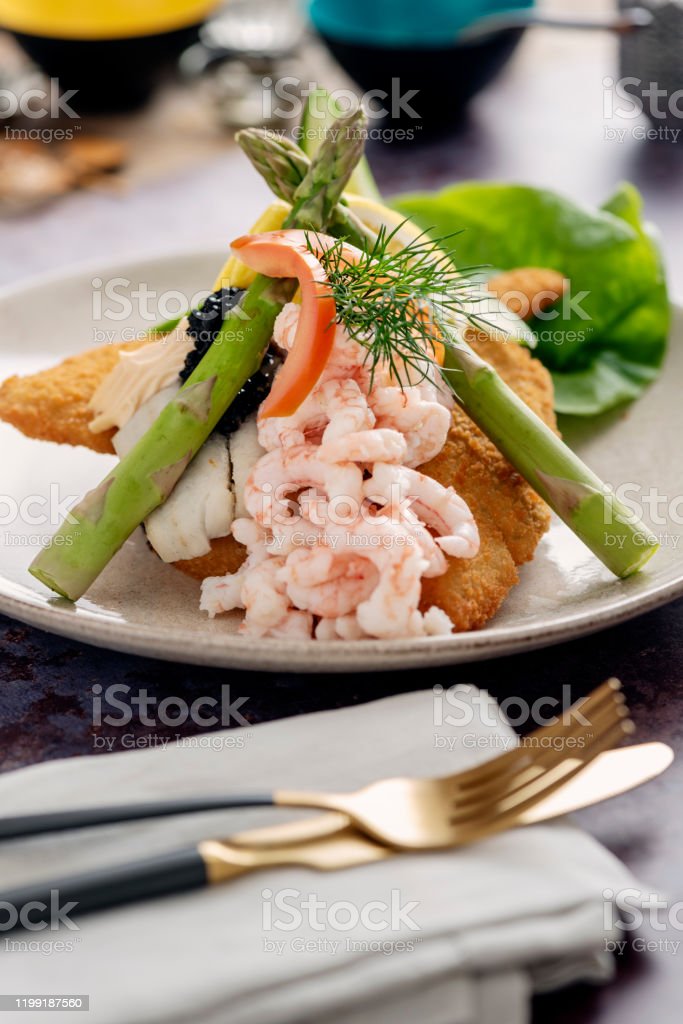
Introduction: Discovering Traditional Danish Cuisine
Danish cuisine is a reflection of Denmark’s geography, climate, and history. The country’s long coastline and fertile land provide an abundance of fresh seafood, meat, vegetables, and grains. Over the centuries, Danish cuisine has evolved with the influence of neighboring countries like Germany and Sweden, as well as global trade and migration. Today, traditional Danish cuisine is known for its hearty, simple, and flavorful dishes that emphasize local, seasonal ingredients.
The Ingredients: Staples in Danish Cooking
Danish cuisine relies heavily on four main ingredients: meat, fish, potatoes, and grains. Pork is the most popular meat in Denmark, often used in dishes like flæskesteg (roasted pork) and frikadeller (meatballs). Fish, especially herring, is also a staple in Danish cuisine, often pickled or smoked. Potatoes are a versatile ingredient used in numerous dishes, including boiled, mashed, or fried. Rye is the most common grain in Denmark, used in bread, porridge, and crackers. Other common ingredients in Danish cooking include butter, cream, onions, and seasonal vegetables like cabbage, carrots, and beets.


Facebook Comments