 John Myers
Introduction to Mexican Cuisine
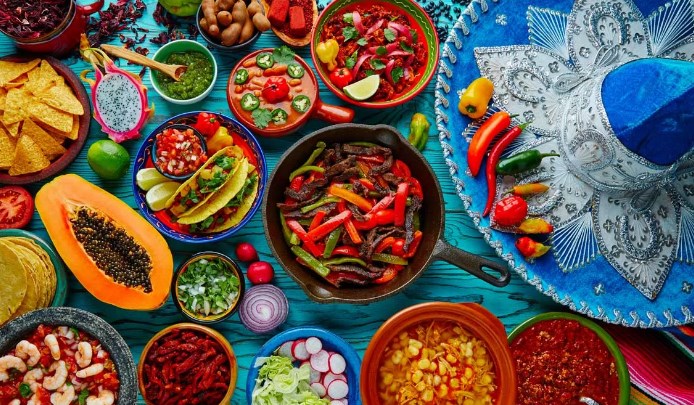
Mexican cuisine is known for its rich flavors and colorful presentation. It is a fusion of indigenous Mesoamerican cooking and European traditions, particularly Spanish cuisine. The cuisine of Mexico varies widely depending on the region, but common ingredients include corn, beans, chili peppers, tomatoes, and avocado.
Mexican food has gained popularity around the world, with Mexican restaurants and food trucks popping up in major cities. Mexican cuisine is not only about tacos and burritos, but also about a wide range of dishes, flavors, and cooking techniques.
The Rich History of Mexican Food
Mexican cuisine has a long history that dates back to pre-Columbian times. The ancient civilizations of Mexico, such as the Aztecs and Mayans, developed complex recipes and culinary traditions that are still practiced today. After the Spanish conquest in the 16th century, Spanish ingredients and cooking techniques were introduced, resulting in a fusion of indigenous and European cuisine.
Mexican cuisine has also been influenced by other cultures, such as African, Asian, and Caribbean cuisines, as well as the cuisine of Mexican Americans. Today, Mexican cuisine has become a global phenomenon, with Mexican food and beverages being enjoyed by people all over the world.
Traditional Mexican Dishes
There are hundreds of traditional Mexican dishes, ranging from street food to elaborate feasts. Some of the most popular traditional dishes include tacos, tamales, enchiladas, chiles en nogada, mole, pozole, and guacamole. These dishes often feature a combination of meats, vegetables, and spices, and are served with staples such as rice, beans, and tortillas.
Mexican cuisine also includes a wide range of soups, stews, and casseroles, such as menudo, birria, and chilaquiles. Seafood is also popular in coastal areas, with dishes such as ceviche and fish tacos. Vegetarian and vegan options are also available, such as nopales (cactus) and vegetarian tamales.
Spices and Flavors in Mexican Cooking
Mexican cuisine is known for its bold flavors and spices, such as chili peppers, cumin, oregano, and cilantro. These spices are used to add heat, depth, and complexity to dishes. Mexican cuisine also incorporates a variety of sweet and sour flavors, such as lime, pineapple, and tamarind.
Other common ingredients in Mexican cuisine include onions, garlic, and tomatoes, which are used as bases for sauces and salsas. Mexican cuisine also features a variety of cheeses, such as queso fresco and panela, which are used in dishes such as quesadillas and chiles rellenos.
The Role of Corn and Beans in Mexican Cuisine
Corn and beans are staple ingredients in Mexican cuisine, and have been for centuries. Corn is used to make tortillas, tamales, and other dishes, while beans are often used as a protein source in soups and stews. Corn and beans are also often eaten together, as in the classic dish of beans and rice.
In addition to corn and beans, Mexican cuisine also features a variety of other grains and legumes, such as amaranth, chia seeds, and lentils. These ingredients are used in dishes such as atole, a hot beverage made with masa and sweetened with piloncillo.
Mexican Desserts and Sweets
Mexican cuisine features a variety of desserts and sweets, ranging from simple treats to elaborate cakes and pastries. Some of the most popular desserts include flan, tres leches cake, churros, and buñuelos. These desserts often feature sweet flavors such as cinnamon, vanilla, and chocolate.
Mexican cuisine also incorporates a variety of fruits, such as mango and papaya, which are used in desserts such as fruit salads and paletas, or fruit popsicles. Candies are also popular in Mexico, with varieties such as cajeta, a caramel made with goat’s milk, and tamarind candy.
Mexican Beverages: Beyond Margaritas
Mexican cuisine features a variety of beverages, beyond the popular margarita. Mexican beer, such as Corona and Modelo, is popular around the world, as is tequila and mezcal. Mexican wine is also gaining recognition, particularly from the northern region of Baja California.
Other popular Mexican beverages include horchata, a sweet rice milk flavored with cinnamon, and aguas frescas, which are refreshing fruit drinks made with water, sugar, and fruit. Mexican hot chocolate, made with cinnamon and chili powder, is also a popular beverage.
Regional Mexican Cuisine: North, Central, and South
Mexican cuisine varies greatly depending on the region, with each region featuring its own specialty dishes and ingredients. Northern Mexican cuisine features beef and cheese dishes, such as carne asada and cabrito, while central Mexican cuisine features more elaborate dishes, such as mole and chiles en nogada. Southern Mexican cuisine features seafood, tamales, and moles made with chocolate.
Each region also features its own unique styles of street food, such as tacos al pastor in Mexico City and fish tacos in Baja California. Regional cuisine is often influenced by the geography and climate of the region, as well as the cultural traditions of the people who inhabit the area.
Street Food in Mexico: A Culinary Delight
Mexican street food is a culinary delight, featuring a wide range of flavors and textures. Street food vendors can be found throughout Mexico, and offer an affordable and delicious way to experience the country’s cuisine.
Some popular street food dishes include tacos al pastor, which feature marinated pork cooked on a vertical spit, and elote, corn on the cob served with mayonnaise, cheese, and chili powder. Other street food favorites include tamales, gorditas, and churros.
Mexican Cooking at Home: Tips and Recipes
Mexican cuisine can be easily prepared at home, with a variety of recipes available online and in cookbooks. Some tips for cooking Mexican food at home include using fresh ingredients, such as cilantro and lime, and experimenting with different spices and flavors.
Some easy Mexican recipes to try at home include guacamole, salsa, and chicken enchiladas. More complex dishes, such as mole and chiles en nogada, may require more time and effort, but are well worth the effort for a taste of authentic Mexican cuisine.



Facebook Comments