 John Myers
Introduction: Mexican Corn Cuisine
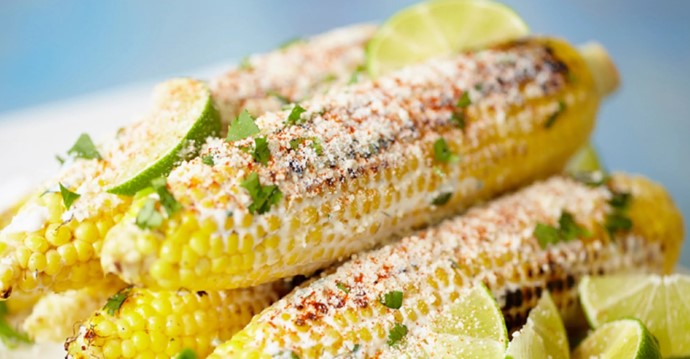
Mexican cuisine is known for its bold flavors and use of fresh, local ingredients. One ingredient that stands out in Mexican cuisine is corn. Corn has been a staple crop in Mexico for thousands of years and has played an important role in the country’s culinary traditions. From classic street food dishes to upscale restaurant menus, corn is a versatile ingredient that can be found in a variety of Mexican dishes.
The History of Corn in Mexico
Corn has been grown in Mexico for over 9,000 years and was a staple food for many ancient civilizations, including the Mayans and Aztecs. The ancient Mesoamerican cultures believed that corn was a gift from the gods and played an important role in their religious ceremonies. Corn was so important that it even served as a form of currency in some regions of Mexico.
The Role of Corn in Mexican Culture
Corn is deeply ingrained in Mexican culture and is often used as a symbol of national identity. Corn is celebrated in festivals throughout the country, including the annual Dia de los Muertos (Day of the Dead) celebration where corn is used to make elaborate altars. Corn is also used in traditional dances and has inspired Mexican artists and writers.
Traditional Corn Dishes in Mexico
Mexican cuisine is famous for its wide variety of dishes that incorporate corn. Some of the most popular traditional corn dishes in Mexico include tamales, enchiladas, and chilaquiles. Tamales are made with masa, a dough made from ground corn, and filled with meat or vegetables. Enchiladas are corn tortillas filled with chicken or beef and topped with a chili sauce. Chilaquiles are fried corn tortilla chips topped with beans, cheese, and salsa.
The Variety of Corn Used in Mexican Cuisine
There are many different types of corn used in Mexican cuisine, each with its own unique flavor and texture. Some of the most common varieties include white, yellow, and blue corn. Blue corn is known for its nutty flavor and is often used to make tortillas and chips. White corn is used to make masa and is commonly used in tamales and other traditional dishes.
The Importance of Nixtamalization in Corn Cuisine
Nixtamalization is the process of soaking corn in an alkaline solution, such as lime water, to soften the outer hull and make the corn more digestible. This process has been used in Mexican cuisine for centuries and is essential for making traditional dishes like tortillas and tamales. Nixtamalization also enhances the nutritional value of corn by making its nutrients more accessible to the body.
Regional Corn Specialties in Mexico
Each region of Mexico has its own unique corn specialties. In Oaxaca, for example, black corn is used to make a thick, savory beverage called tejate. In the Yucatan Peninsula, corn is used to make a dish called papadzules, which are tortillas filled with hard boiled eggs and topped with a pumpkin seed sauce.
Modern Takes on Mexican Corn Cuisine
While traditional corn dishes are still popular in Mexico, modern chefs are putting their own spin on classic recipes. Some chefs are experimenting with new filling options for tamales, while others are using blue corn to create colorful tortillas for tacos. Other chefs are incorporating corn into non-traditional dishes, such as corn ice cream or corn and black bean burgers.
Corn Beverages and Desserts in Mexico
In addition to traditional corn dishes, there are a variety of corn-based beverages and desserts in Mexico. One popular beverage is atole, a sweet, hot drink made with masa, cinnamon, and sugar. Another popular dessert is pastel de elote, a sweet corn cake that is often served with whipped cream.
Conclusion: Celebrating Mexican Corn Cuisine
From its rich history to its importance in modern Mexican cuisine, corn is a beloved ingredient that is essential to understanding Mexican culture and cuisine. Whether you’re enjoying a classic tamale or trying a modern take on a traditional dish, Mexican corn cuisine is a celebration of the country’s culinary traditions and cultural heritage.


Facebook Comments