 John Myers
Introduction: The Art of Authentic Mexican Tamales
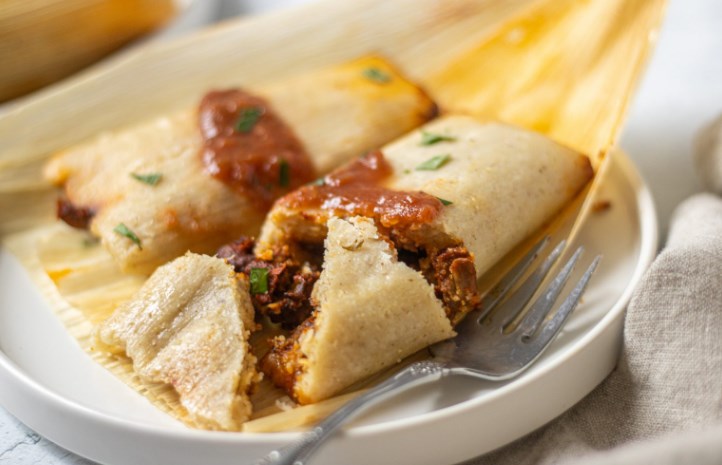
Steaming hot and wrapped in corn husks, tamales are a staple of Mexican cuisine. These delicious treats are a celebration of the country’s rich culinary heritage, and their popularity extends far beyond Mexico’s borders. Authentic Mexican tamales are a true work of art, made with skill and care in a process that can take hours to complete. From the selection of ingredients to the intricate tying and steaming, every step of the process is an opportunity to showcase the vibrancy and complexity of Mexican flavors.
Understanding Tamales: Origins and Ingredients
Tamales have been part of Mexican cuisine for centuries, dating back to the time of the Aztecs. The basic ingredients of a tamale are masa (corn dough), filling, and a wrapper made of dried corn husks. The masa is usually made from nixtamalized corn, which is soaked in an alkaline solution to improve its digestibility and flavor. The filling can be made from a variety of ingredients, ranging from meat, cheese, and vegetables to fruits and sweets. In addition to the basic ingredients, tamales are often seasoned with spices and herbs such as cumin, oregano, and chili powder.
Preparing the Dough: Techniques and Tips
Preparing the masa for tamales is a delicate process that requires skill and patience. The nixtamalized corn is ground into a fine powder, which is then mixed with water or broth to form a dough. The dough is seasoned with salt and other spices and then whipped until it becomes light and fluffy. To achieve the perfect texture, the dough needs to be kneaded gently and consistently, but not too much. Overworking the dough can make it tough and chewy.
Filling Choices: Traditional and Creative Options
The filling is the heart and soul of a tamale, and there is no shortage of options to choose from. Traditional fillings include shredded beef, chicken, or pork, as well as cheese and chilies. Vegetarian options such as beans, mushrooms, and sweet potatoes are also popular. For a creative twist, some cooks incorporate fruits such as pineapple or mango for a sweet and savory fusion.
Assembling Tamales: Rolling and Tying Techniques
Assembling tamales requires a bit of finesse. The corn husks are soaked in water to soften them and then dried with a towel. A small amount of masa is spread on the center of the husk, leaving space at the top and bottom. The filling is then added, and the husk is rolled tightly around the filling. The ends of the husk are folded over and tied with a strip of corn husk or twine.
Steaming Tamales: Cooking and Serving Tips
Tamales are traditionally steamed in a large pot, with water or broth added to create steam. The tamales are arranged upright in the pot, with the open ends facing up. The pot is covered tightly with a lid or foil and simmered over low heat for about an hour or until the tamales are cooked through. When serving, the tamales are unwrapped from their husks and can be eaten on their own or topped with salsas, guacamole, or other condiments.
Accompaniments: Salsas, Guacamole, and More
Tamales are delicious on their own, but they can also be enhanced with a variety of accompaniments. Salsas are a popular choice, with options ranging from mild to spicy. Guacamole, sour cream, and queso fresco are also common toppings. For a more substantial meal, tamales can be served with rice and beans or a side salad.
Regional Variations: Exploring Mexican Tamales
Mexican tamales are as diverse as the country’s regions, with different styles and flavors found throughout the country. In Oaxaca, for example, tamales are typically wrapped in banana leaves and filled with mole sauce. In the Yucatan, tamales are often made with masa colored with annatto seed and filled with chicken or pork. Each region brings its own unique twist to the classic tamale.
Tamales Beyond Borders: Global Influences
While tamales are deeply rooted in Mexican culture, they have also been adapted and reinvented around the world. In the United States, for example, Mexican immigrants have introduced tamales to new audiences, often incorporating local ingredients and flavors. In countries such as Guatemala and El Salvador, tamales have become a part of the national cuisine, with their own unique variations and traditions.
Conclusion: Enjoying the Best Mexican Tamales
Whether enjoyed as a snack or a main course, tamales are a celebration of Mexican cuisine and culture. From the basic ingredients to the intricate tying and steaming, the art of making authentic Mexican tamales is a testament to the country’s rich culinary heritage. With so many flavors and styles to choose from, there is always something new to discover in the world of tamales. So next time you’re craving something delicious and comforting, why not try your hand at making your own authentic Mexican tamales?


Facebook Comments