 John Myers
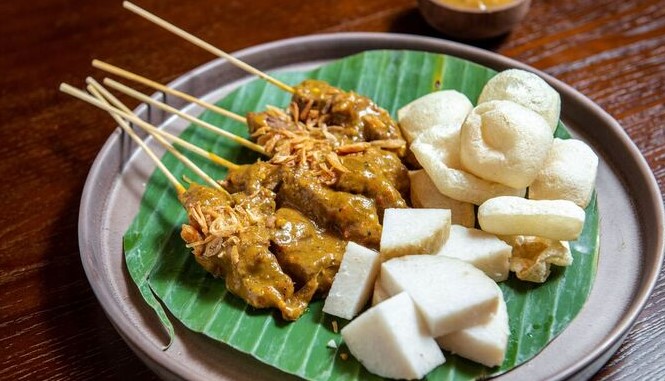
Introduction: Savoring Indonesia’s Authentic Cuisine
Indonesia is a land of diverse cultures and traditions, and its cuisine reflects this diversity. Indonesian cuisine is renowned for its rich blend of flavors, spices, and textures. From crispy fried chicken to spicy curries, Indonesian dishes offer a gastronomic experience that is truly unique.
Indonesian cuisine has gained international recognition over the years. Many Indonesian dishes have become popular across the globe, such as Nasi Goreng, Sate, and Rendang. But beyond these well-known dishes, there are many more traditional Indonesian foods to discover and savor.
Indonesian cuisine: A melting pot of flavors
Indonesian cuisine is a melting pot of flavors influenced by various cultures, including Indian, Chinese, and Dutch. The cuisine is characterized by its bold use of spices such as turmeric, ginger, cumin, coriander, and lemongrass. These spices are used to create a wide range of dishes with varying levels of heat, from mild to fiery.
Indonesian cuisine also makes use of a variety of ingredients, including seafood, meat, vegetables, rice, and noodles. Coconut milk is a common ingredient in many dishes, providing a creamy texture and a subtle sweetness. Indonesian cuisine is also known for its use of herbs and aromatics, such as kaffir lime leaves, pandan leaves, and galangal.
The secret of Indonesian spices
Indonesian cuisine is known for its complex and layered flavors, and the secret lies in the use of spices. Spices are used to add depth, aroma, and complexity to Indonesian dishes. Each spice plays a unique role in a dish, and the right combination of spices can elevate a dish to a whole new level.
For example, turmeric is used to add color and flavor to dishes such as Nasi Goreng and Rendang. Cumin is used to add a warm and earthy flavor to curries and stews. Lemongrass is used to add a fresh and citrusy aroma to soups and stir-fries. The right combination of spices, along with fresh herbs and aromatics, is what gives Indonesian cuisine its unique and unmistakable flavor.
Simple delights: Uncomplicated, yet flavorful dishes
Despite the use of a wide range of ingredients and spices, Indonesian cuisine also offers many simple and uncomplicated dishes that are bursting with flavor. These dishes are often quick and easy to prepare, making them perfect for busy weeknights.
Nasi Goreng: The national dish of Indonesia
Nasi Goreng is the national dish of Indonesia, and it is a simple yet satisfying dish made with fried rice, vegetables, and protein such as chicken or shrimp. The dish is typically seasoned with kecap manis, a sweet and savory soy sauce, and served with a fried egg on top.
Sate: The quintessential Indonesian street food
Sate is a quintessential Indonesian street food made with grilled meat skewers served with a peanut sauce. The meat can be chicken, beef, or lamb, and it is marinated in a blend of spices before grilling. Sate is often sold by street vendors and is a popular snack or appetizer.
Gado-Gado: The colorful Indonesian salad
Gado-Gado is a colorful Indonesian salad made with blanched vegetables, tofu, and hard-boiled egg, served with a peanut sauce dressing. The dish is refreshing and healthy, and it is often served as a main course or as a side dish.
Rendang: The rich and savory beef stew
Rendang is a rich and savory beef stew made with a blend of spices, coconut milk, and beef that is slow-cooked until tender. The dish is often served with rice and is a staple in Indonesian cuisine.
Soto: The comforting Indonesian soup
Soto is a comforting Indonesian soup made with chicken or beef broth, vegetables, and rice noodles. The soup is often seasoned with spices such as turmeric and coriander and is served with a variety of toppings such as hard-boiled egg and fried onions.
Sweet treats: Indonesian desserts to try
Indonesian cuisine also offers a variety of sweet treats that are worth trying. Popular desserts include Klepon, a sweet rice cake filled with palm sugar and coated with grated coconut, and Es Campur, a shaved ice dessert with a variety of toppings such as fruit, jelly, and syrup.
In conclusion, Indonesian cuisine offers a diverse and flavorful culinary experience, with dishes ranging from simple and uncomplicated to complex and layered. Whether you are a foodie looking to explore new flavors or simply seeking a comforting and satisfying meal, Indonesian cuisine has something to offer.


Facebook Comments