 John Myers
Understanding the Flavors of Modern Indonesian Cuisine
Indonesian cuisine is known for its rich blend of flavors, spices, and aromas. With over 17,000 islands, Indonesian cuisine reflects a diverse range of cultures and influences. Modern Indonesian cuisine has evolved to incorporate new cooking techniques, ingredients, and combinations that are a creative take on traditional dishes. The bold and spicy flavor profile of Indonesian cuisine is attributed to the use of spices such as lemongrass, turmeric, galangal, and ginger.
Tradition Meets Innovation in Indonesian Cooking
Indonesian cuisine is a fusion of traditional cooking techniques and innovative modern techniques. Chefs are experimenting with new ingredients, presentation styles, and cooking methods to enhance the flavors of traditional dishes. Indonesian cuisine is rooted in tradition; however, chefs are constantly pushing the boundaries to create new and exciting dishes that are a true reflection of the country’s diverse culinary heritage.
Influences from Indonesian Regional Cuisine
Indonesian cuisine is diverse, and each region has its own unique culinary style. The food in Sumatra, for example, is known for its spicy and bold flavors. In contrast, the cuisine of Bali is characterized by its use of aromatic herbs and spices. The dishes from Sulawesi are renowned for their hearty meals, featuring ingredients like coconut milk and fresh seafood. Understanding the regional differences in Indonesian cuisine is essential to appreciate the various flavors and techniques used in the country’s traditional dishes.
The Role of Spices in Indonesian Cooking
Spices are the cornerstone of Indonesian cuisine. Each spice has its unique flavor and aroma, and chefs carefully select and blend them to create perfectly balanced dishes. The use of spices in Indonesian cuisine is not only for flavor but also for their medicinal properties. The use of ginger, for example, is known to aid digestion and reduce inflammation.
The Importance of Rice in Indonesian Cuisine
Rice is a staple food in Indonesian cuisine and is found at almost every meal. Indonesians consume rice in various forms, from steamed rice to rice noodles, and even rice cakes. The most popular dish in Indonesian cuisine is Nasi Goreng, a stir-fried rice dish made with a variety of ingredients such as chicken, shrimp, vegetables, and spices.
Street Food: A Gateway to Indonesian Cuisine
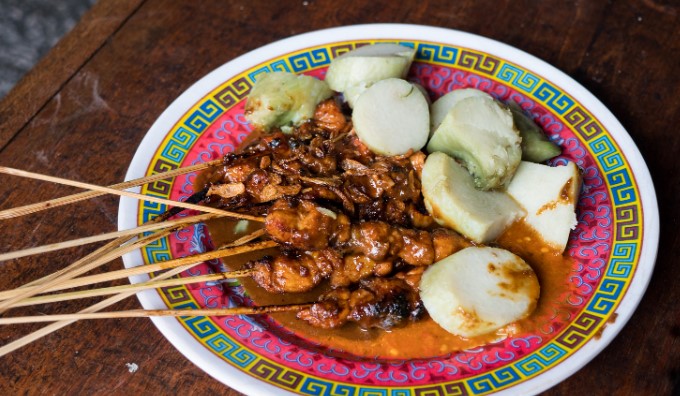
Indonesian street food is a popular and inexpensive way to explore the country’s culinary delights. From sate (grilled meat skewers) to martabak (a savory or sweet filled pancake), street food vendors offer a diverse range of options. Indonesian street food is often spicy, flavorful, and can be found in every corner of the country.
Indonesian Desserts: Sweet Treats from the Archipelago
Indonesian desserts are a delightful way to round off a meal. The country’s desserts showcase the use of traditional ingredients such as coconut, palm sugar, and pandan leaves. One of the most popular desserts is Klepon, a glutinous rice cake filled with palm sugar and coated with grated coconut.
Health Benefits of Indonesian Cuisine
Indonesian cuisine is rich in fresh ingredients such as vegetables, herbs, and spices, making it a healthy option for food lovers. The use of traditional ingredients like turmeric, ginger, and lemongrass in Indonesian cuisine has been linked to various health benefits such as anti-inflammatory and immune-boosting properties.
Indonesian Beverages: From Coffee to Herbal Drinks
Indonesia is famous for its coffee, with the country being the fourth-largest coffee producer in the world. Indonesian coffee is known for its bold flavor and rich aroma. Apart from coffee, the country offers a range of refreshing herbal drinks such as Jamu, a traditional Indonesian tonic made with a blend of herbs, roots, and spices.
Indonesian Cooking Techniques You Need to Know
Indonesian cuisine has a range of unique cooking techniques that are essential in creating traditional dishes. One of the most popular techniques is the use of a mortar and pestle to grind spices and herbs to create flavorful pastes. Another traditional technique is slow-cooking, which is used to create tender, flavorful meat dishes. Understanding these techniques is essential to explore the diversity of Indonesian cuisine.


Facebook Comments