 John Myers
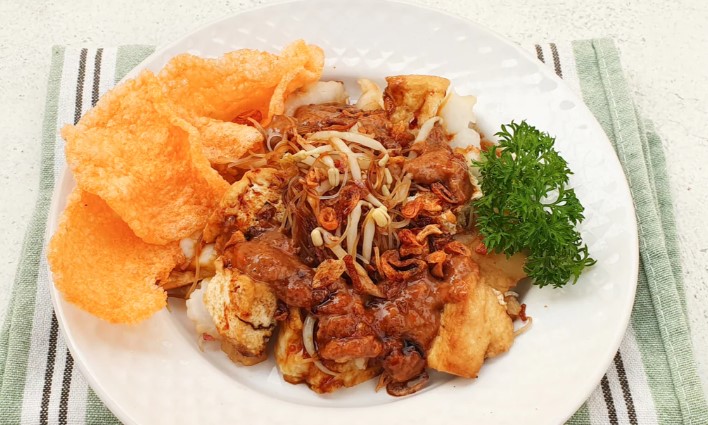
Introduction: The Richness of Indonesian Cuisine
Indonesia is a country of diverse cultures, religions, and languages, and its cuisine reflects this diversity. Indonesian cuisine is a fusion of indigenous and foreign influences, with a wide range of flavors, spices, and ingredients. This cuisine is popular across the world for its richness, variety, and unique taste.
Indonesian cuisine is influenced by Indian, Chinese, Middle Eastern, and European cuisines, among others. The cuisine is characterized by the use of aromatic spices such as nutmeg, ginger, turmeric, and lemongrass. Indonesians use a lot of chili peppers, which give their dishes a spicy kick. The cuisine also features a wide range of seafood, meat, vegetables, and fruits. Each region of Indonesia has its own unique dishes and cooking traditions, which makes Indonesian cuisine a fascinating topic for food enthusiasts.
The Ingredients: Aromatic and Spicy Flavors
Indonesian cuisine is known for its use of aromatic spices and herbs such as coriander, cumin, cardamom, cloves, and bay leaves. These spices add flavor and aroma to dishes, making them more delicious. Indonesians also use a lot of chili peppers in their dishes, which give their meals a spicy kick.
Other common ingredients in Indonesian cuisine include coconut milk, tamarind, palm sugar, and peanuts. Coconut milk is used in curries and soups, while tamarind is used to add sourness to dishes. Palm sugar is used as a sweetener in desserts and some savory dishes, and peanuts are used in sauces and garnishes.
The Cooking Techniques: Wok, Grill, and Steam
Indonesian cuisine uses a variety of cooking techniques, including stir-frying, grilling, and steaming. Stir-frying is common in Indonesian cuisine, particularly for preparing vegetables, noodles, and rice dishes. Grilling is also popular, particularly for seafood and meat dishes. Steaming is used for preparing rice and some desserts.
Indonesian cuisine also features a unique cooking technique known as “smoking,” which involves smoking meat or fish over wood or charcoal. This technique adds a smoky flavor to the dish, making it more delicious.
The Staple Foods: Rice, Noodles, and Tofu
Rice is the staple food in Indonesian cuisine, and is served with almost every meal. Indonesians use a variety of rice, including white rice, glutinous rice, and red rice. Noodles are also popular in Indonesian cuisine, particularly in Chinese-inspired dishes such as mie goreng (fried noodles).
Tofu is a common protein source in Indonesian cuisine, particularly for vegetarians. Tofu is often stir-fried with vegetables and served with rice or noodles.
The Meat Dishes: Beef, Chicken, and Seafood
Indonesian cuisine features a wide range of meat dishes, including beef, chicken, and seafood. Beef is used in dishes such as rendang (spicy beef stew) and satay (grilled beef skewers). Chicken is used in dishes such as ayam goreng (fried chicken) and opor ayam (chicken in coconut milk).
Indonesian cuisine also features a variety of seafood, including fish, shrimp, and squid. Seafood is often grilled, steamed, or fried, and served with rice or noodles.
The Vegetarian Options: Tempeh and Vegetables
Indonesian cuisine has a variety of vegetarian options, including tempeh (fermented soybean cake) and vegetables. Tempeh is a popular protein source for vegetarians and is often stir-fried with vegetables or served in stews. Vegetables are also commonly used in Indonesian cuisine, particularly in dishes such as gado-gado (vegetable salad) and sayur lodeh (vegetable curry).
The Snacks and Side Dishes: Fried Fritters and Sambal
Indonesian cuisine has a variety of snacks and side dishes, including fried fritters and sambal (spicy sauce). Fried fritters, known as gorengan, are a popular snack in Indonesia and are made from a variety of ingredients, including tofu, tempeh, and vegetables.
Sambal is a spicy sauce made from chili peppers, garlic, and other ingredients. It is served as a condiment for many Indonesian dishes and adds flavor and heat to the meal.
The Desserts: Coconut Milk and Palm Sugar Delights
Indonesian cuisine has a variety of delicious desserts, many of which use coconut milk and palm sugar. One popular dessert is bubur ketan hitam, a sweet black glutinous rice porridge. Another popular dessert is es cendol, a sweet drink made from coconut milk, palm sugar, and green rice flour jelly.
The Drinks: Tea, Coffee, and Herbal Infusions
Indonesian cuisine has a variety of drinks, including tea, coffee, and herbal infusions. Tea is a popular drink in Indonesia, particularly black tea and jasmine tea. Coffee is also a popular drink, with many Indonesian coffee beans being exported worldwide. Herbal infusions, known as jamu, are made from a variety of herbs and spices and are believed to have health benefits.
Conclusion: Embrace the Diversity of Indonesian Cuisine
Indonesian cuisine is a rich and diverse culinary tradition that has something to offer everyone. Whether you prefer meat dishes or vegetarian options, spicy flavors or mild ones, there is something in Indonesian cuisine that will appeal to your taste buds. By exploring Indonesian cuisine, you can discover new flavors, cooking techniques, and ingredients, and embrace the diversity of this fascinating cuisine.


Facebook Comments