 John Myers
Introduction: Discovering Indonesia’s Rich Culinary Heritage
Indonesia is a country known for its vibrant culture and diverse cuisine. With over 17,000 islands and hundreds of ethnic groups, it’s no surprise that Indonesian cuisine is rich and varied. From spicy curries to savory satay, Indonesia’s culinary heritage is a reflection of its history and geography.
As a traveler, it’s important to explore the local cuisine to fully immerse oneself in the culture. Therefore, in this online guide, we will delve into the world of Indonesian cuisine and discover the flavors, ingredients, and regional variations that make it so unique.
What is Indonesian Cuisine and why it’s worth exploring?
Indonesian cuisine is a blend of different cultural influences, including Chinese, Indian, and Dutch. The use of spices, herbs, and coconut milk is prevalent in many dishes, giving them a distinct flavor profile. Indonesian cuisine also incorporates a wide variety of ingredients, such as rice, noodles, seafood, and vegetables.
Exploring Indonesian cuisine is a journey of discovery, not just of flavors and ingredients, but also of the country’s history and culture. It’s a chance to taste authentic dishes, learn about local customs, and meet new people. Indonesian cuisine is worth exploring because it offers a unique culinary experience that is both delicious and educational.
Understanding the Flavors and Ingredients of Indonesian Cuisine
To understand Indonesian cuisine, it’s essential to become familiar with its core flavors and ingredients. The most common spices used in Indonesian cuisine are turmeric, ginger, coriander, cumin, and lemongrass. These spices are often used in combination to create complex and aromatic dishes.
Coconut milk is another essential ingredient in Indonesian cuisine, used in curries, soups, and stews. Rice is a staple food in Indonesia, and is often served with a variety of side dishes. Noodles, seafood, and vegetables are also commonly used in Indonesian cuisine.
The flavors of Indonesian cuisine are a blend of sweet, sour, salty, and spicy. Balancing these flavors is key to creating a well-rounded dish. It’s important to note that Indonesian cuisine can be quite spicy, so be sure to ask for mild versions of dishes if you are sensitive to spice.
Regional Variations: Exploring the Diverse Cuisines of Indonesia
Indonesia is a vast country with hundreds of different ethnic groups, each with their own culinary traditions. As a result, Indonesian cuisine varies greatly from region to region. Some of the most well-known regional cuisines include:
- Javanese cuisine is known for its mild and sweet flavors, with dishes like gudeg (young jackfruit stew) and opor ayam (chicken in coconut milk).
- Sundanese cuisine is from the western part of Java and is known for its fresh vegetables and grilled fish dishes, like pepes ikan (spicy fish wrapped in banana leaves).
- Balinese cuisine is characterized by its use of local spices and flavors, like lemongrass and galangal. Popular dishes include babi guling (roast suckling pig) and sate lilit (spiced minced fish on bamboo skewers).
- Padang cuisine hails from the western part of Sumatra and is known for its spicy dishes, like rendang (slow-cooked beef in coconut milk).
Must-Try Indonesian Dishes: From Nasi Goreng to Sate Ayam
Indonesian cuisine boasts a wide variety of dishes that are worth trying. Here are some of the most popular dishes:
- Nasi goreng is a fried rice dish that often includes vegetables, eggs, and meat. It’s a staple food in Indonesia and is often eaten for breakfast.
- Sate ayam is a type of chicken satay that is marinated in a flavorful blend of spices and grilled over open flames.
- Gado-gado is a vegetable salad that is topped with a peanut sauce dressing.
- Rendang is a slow-cooked beef dish that is stewed in coconut milk and spices until tender.
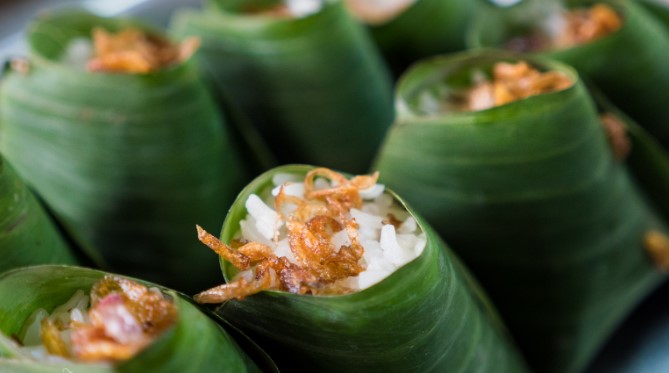
- Nasi uduk is a fragrant rice dish that is cooked in coconut milk and served with a variety of side dishes.
Vegetarian and Halal Options in Indonesian Cuisine
Indonesian cuisine offers many vegetarian and halal options. One of the most popular vegetarian dishes is gado-gado, which is made with mixed vegetables and tofu. Other vegetarian options include tempeh (fermented soybean), tahu (tofu), and sayur lodeh (vegetable curry).
Halal food is widely available in Indonesia, as Islam is the dominant religion. Some of the most popular halal dishes include nasi goreng, sate ayam, and soto ayam (chicken soup).
Tips for Eating like a Local: Etiquette and Cultural Practices
When eating in Indonesia, it’s important to be aware of local customs and etiquette. Here are some tips for eating like a local:
- Wash your hands before and after meals.
- Use your right hand to eat, as the left hand is considered unclean.
- It’s customary to leave a small amount of food on your plate to show that you are satisfied.
- Don’t drink tap water, as it may cause stomach issues. Stick to bottled water and avoid ice in drinks.
Where to Find Authentic Indonesian Cuisine: Top Restaurants and Street Vendors
Indonesian cuisine can be found everywhere from high-end restaurants to street vendors. Some of the best places to try authentic Indonesian cuisine include:
- Warung Padang in Jakarta, known for its authentic Padang cuisine.
- Ikan Bakar Cianjur in Bali, known for its grilled fish dishes.
- Soto Ambengan Pak Sadi in Surabaya, known for its soto ayam.
- Gudeg Bu Tjitro in Yogyakarta, known for its gudeg.
Home Cooking: Recipes and How-to Guides for Indonesian Dishes
If you’re interested in trying your hand at Indonesian cooking, there are many resources available online. Some popular websites for Indonesian recipes include Indonesia Eats and The Spruce Eats. There are also many cooking classes available throughout the country that offer hands-on instruction.
Conclusion: Embark on an Exciting Culinary Journey with Indonesian Cuisine
Indonesian cuisine is a reflection of the country’s rich history and diverse culture. Exploring its flavors and ingredients is a journey of discovery that offers a unique culinary experience. Whether you’re trying nasi goreng from a street vendor or savoring a slow-cooked rendang at a high-end restaurant, Indonesian cuisine is sure to delight your taste buds and expand your culinary horizons.



Facebook Comments