 John Myers
Introduction to Sudanese Tea Culture
Sudanese tea culture is an important aspect of the country’s social fabric. Tea is not just a beverage in Sudan but an integral part of their daily lives, social gatherings, and traditions. Sudanese tea is traditionally prepared in a unique way and has a distinct taste that sets it apart from other tea cultures in the world.
The History and Evolution of Tea in Sudan
Tea was first introduced to Sudan during British colonial rule in the early 20th century. The British brought tea from their colonies in India and introduced it to Sudanese society. The Sudanese quickly adopted the drink and made it their own by adding their unique flair to its preparation and consumption. Tea became an integral part of Sudanese culture, with tea houses and tea stalls becoming popular gathering spots for people from all walks of life.
Over time, Sudanese tea culture has evolved, with different regions and tribes adding their unique spin to the preparation and consumption of tea. Today, tea in Sudan is not just a drink, but a symbol of hospitality, generosity, and social connection.
Traditional Sudanese Tea Preparation Methods
Sudanese tea is traditionally prepared by boiling water in a kettle over a fire or stove. Once the water is boiled, black tea leaves, spices like ginger, and sometimes mint leaves are added to the kettle. The mixture is then boiled again until the tea is strong and flavorful.
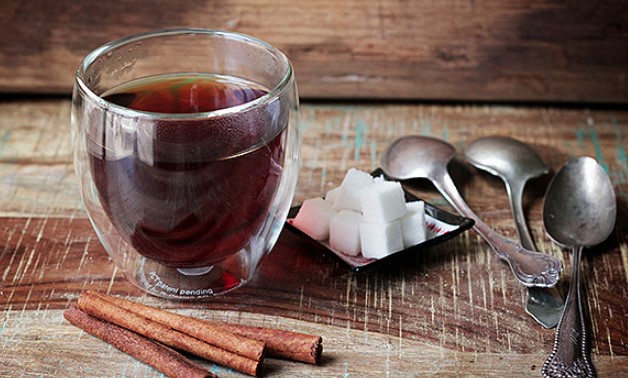
The tea is then poured into small glasses called chaybeens, and sugar is added according to taste. The tea is then served with snacks like biscuits, dakkous (a type of bread), or peanuts.
The Role of Tea in Sudanese Social Gatherings
Tea is an integral part of Sudanese social gatherings, both formal and informal. It is common for guests to be offered tea as soon as they arrive at a Sudanese home or office. The host serves tea as a sign of hospitality and welcomes guests with warmth and generosity.
Tea is also served during celebrations like weddings, birthdays, and other significant events. It is an essential part of the Sudanese culture of generosity and hospitality and represents the country’s social fabric.
Popular Tea Varieties in Sudan
There are different types of tea consumed in Sudan, but the most popular is called Shai Sudani. It is a black tea blend mixed with spices like ginger, cardamom, and sometimes clove. Other popular varieties include Shai Marak and Shai Adeni.
Conclusion: The Significance of Tea in Sudanese Culture
Sudanese tea culture is an essential part of the country’s social fabric and represents the hospitality, generosity, and warmth of its people. Tea has evolved over time, with different regions and tribes adding their unique spin to its preparation and consumption.
Sudanese tea culture is a symbol of the country’s social connections and represents the importance of community and relationships in Sudanese society. It is a testament to the resilience and adaptability of the Sudanese people, who have made tea an integral part of their lives and culture.


Facebook Comments